

EV battery tech in 2026
Right now, in late 2024, electric vehicle battery technology is largely dominated by Nickel Manganese Cobalt (NMC) and Lithium Iron Phosphate (LFP) chemistries. NMC provides higher energy density – meaning more range for a given battery size – but LFP is becoming increasingly popular due to its lower cost and improved safety. We’re also seeing incremental improvements in energy density across both types. Looking ahead to 2026, I expect these trends to continue, with LFP becoming even more widespread in standard-range vehicles.
Solid-state batteries are the next big shift. While full-scale production is still a few years off, I expect more pilot programs and limited-run vehicles to use them by 2026. These packs promise more energy in a smaller footprint and faster charging, though high costs are still a problem. We're also seeing charging speeds climb; 350kW chargers are out there now, and 400kW+ stations will be common by 2026.
The sheer variety of EV models is expanding rapidly. From compact cars to SUVs to pickup trucks, there’s an electric option for almost every need. This increased diversity also means a wider range of battery sizes and chemistries on the road, which will impact maintenance requirements. A small-battery city car will have different needs than a long-range pickup, and technicians will need to be prepared to handle that complexity. It’s a good time to be an automotive technician, but also a time for continuous learning.
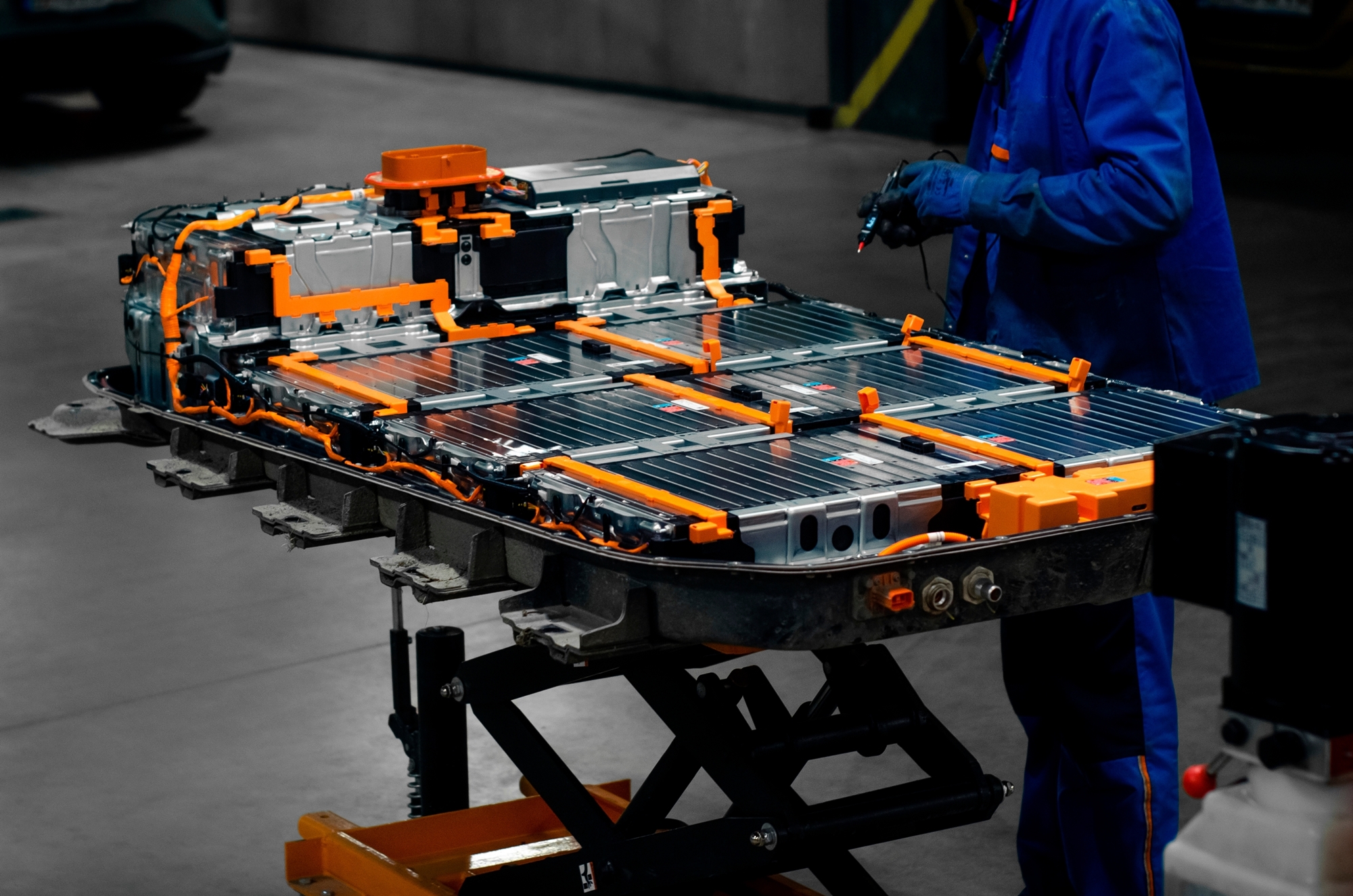
The heat problem
Batteries hate extreme temperatures. Heat kills their lifespan, and cold kills their range. Because batteries get hot whenever you drive or charge, keeping them cool is the only way to prevent rapid degradation. By 2026, manufacturers will have to get better at this to keep up with the heat generated by ultra-fast charging.
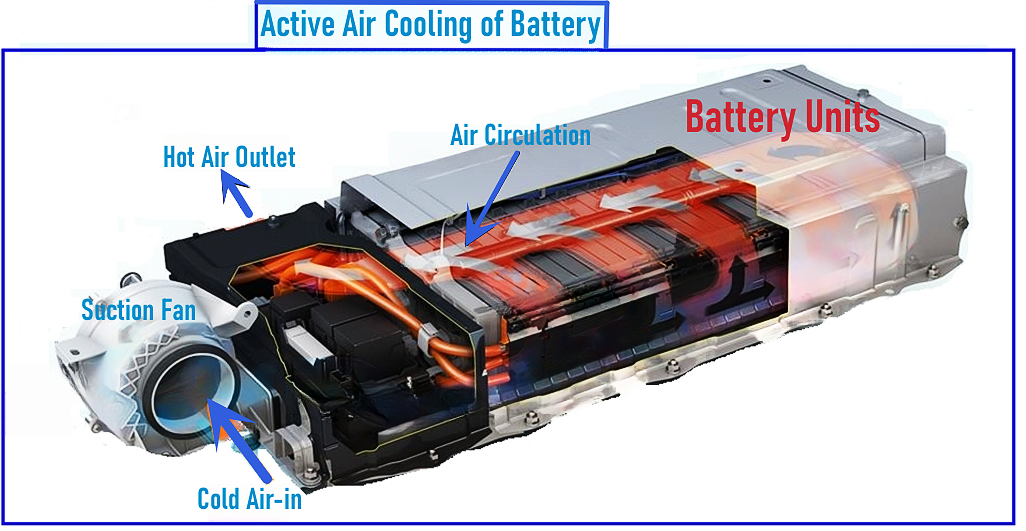
Currently, there are three main cooling methods. Air cooling is the simplest and least expensive, but it’s less effective at dissipating heat. Liquid cooling, using a coolant circulated through channels in the battery pack, is much more efficient and is becoming the standard for most EVs. Immersion cooling, where the battery pack is submerged in a dielectric fluid, is the most advanced but also the most complex and expensive. Expect to see more sophisticated liquid cooling systems in 2026 models, potentially incorporating more direct contact with cells for improved heat transfer.
Faster charging generates significantly more heat. The ability of a thermal management system to handle that heat will dictate how quickly an EV can be charged without causing damage. Manufacturers are exploring new coolant formulations and more efficient heat exchangers to address this challenge. I also anticipate more sophisticated control algorithms that adjust charging rates based on battery temperature and other factors. It’s a delicate balance between speed and longevity, and 2026 EVs will likely strike that balance more effectively.
How to actually charge for longevity
How you charge your EV is just as important as what kind of battery it has. DC fast charging is convenient, but it generates more heat and can contribute to battery degradation over time. Level 2 charging, using a 240-volt outlet, is gentler on the battery. The '80% rule' – limiting your daily charging to 80% of the battery’s capacity – is still relevant, even with advancements in battery technology. Continually charging to 100% puts extra stress on the battery.
Whenever possible, opt for slower charging. It’s better for the battery, and often cheaper, especially if you can take advantage of off-peak electricity rates. But it's not just how you charge, it’s when. Avoid charging during periods of extreme heat or cold. If you have to charge in a hot garage, try to do it during the cooler parts of the day. Similarly, if it’s freezing outside, let the battery warm up a bit before plugging it in.
Here's a quick checklist for optimal charging: - Prioritize Level 2 charging when time allows. - Limit daily charging to 80%. - Avoid DC fast charging unless necessary. - Charge during moderate temperatures. - Utilize off-peak electricity rates when available.
- Use Level 2 charging for your daily needs.
- Limit daily charging to 80%.
- Avoid DC fast charging unless necessary.
- Charge during moderate temperatures.
- Utilize off-peak electricity rates when available.
Battery Monitoring and Diagnostics
Most EVs provide some level of battery health information through the vehicle’s onboard systems. You’ll typically see state of health (SOH), which is a percentage indicating the battery’s remaining capacity compared to its original capacity, as well as state of charge (SOC), which is the current charge level. Temperature monitoring is also common. Pay attention to these metrics, but don’t panic over small fluctuations.
Range loss is the biggest worry for most owners, but batteries naturally lose capacity as they age. Your driving style and the weather play a huge role in what the dashboard shows you. You can use third-party diagnostic apps for a deeper look, but I wouldn't trust them blindly—some are just guessing based on limited data.
In 2026, I expect to see more sophisticated battery monitoring systems integrated into EVs. Manufacturers may provide more granular data on cell-level health and offer personalized recommendations for optimizing battery life. We might even see predictive analytics that can anticipate potential issues before they arise. The goal is to reduce range anxiety and empower owners to make informed decisions about their vehicle’s care.
Software Updates & Battery Management
Software plays a surprisingly large role in battery health. Manufacturers can use over-the-air (OTA) updates to optimize charging parameters, adjust thermal management strategies, and even fine-tune the battery’s control algorithms. These updates can improve performance, extend range, and prolong battery life. It’s a powerful capability.
By 2026, OTA updates will become even more sophisticated. Manufacturers may be able to remotely adjust charging limits based on grid conditions or individual driving patterns. They could also implement more advanced thermal management strategies to protect the battery from extreme temperatures. This level of control will fundamentally change the relationship between owners and their vehicles.
This also means manufacturers have a continuing responsibility to maintain and improve their software. A poorly implemented update could potentially harm battery health, so it’s crucial that these updates are thoroughly tested and validated. It’s a new area of responsibility for automakers, and one they’ll need to take seriously.
What happens during a battery service
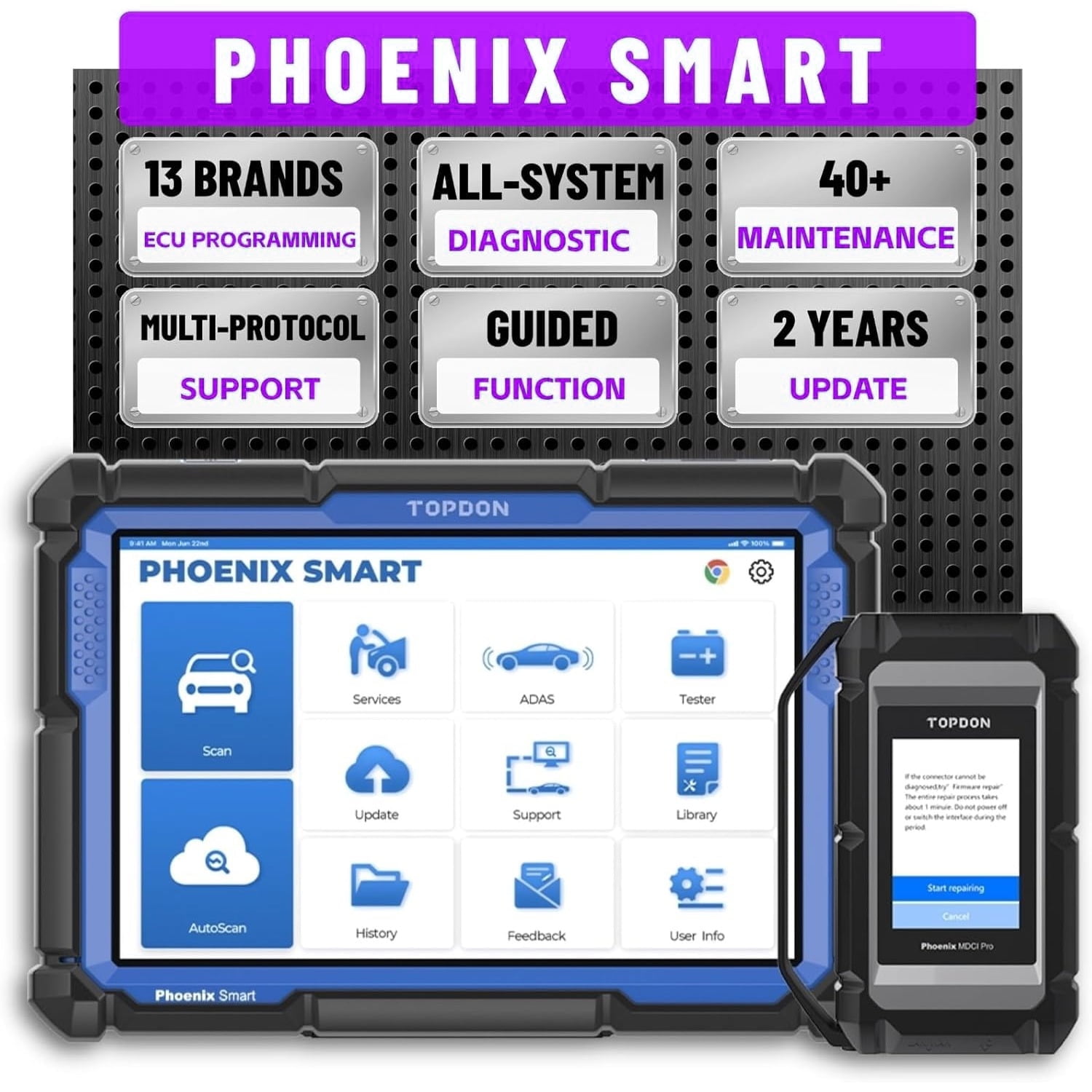
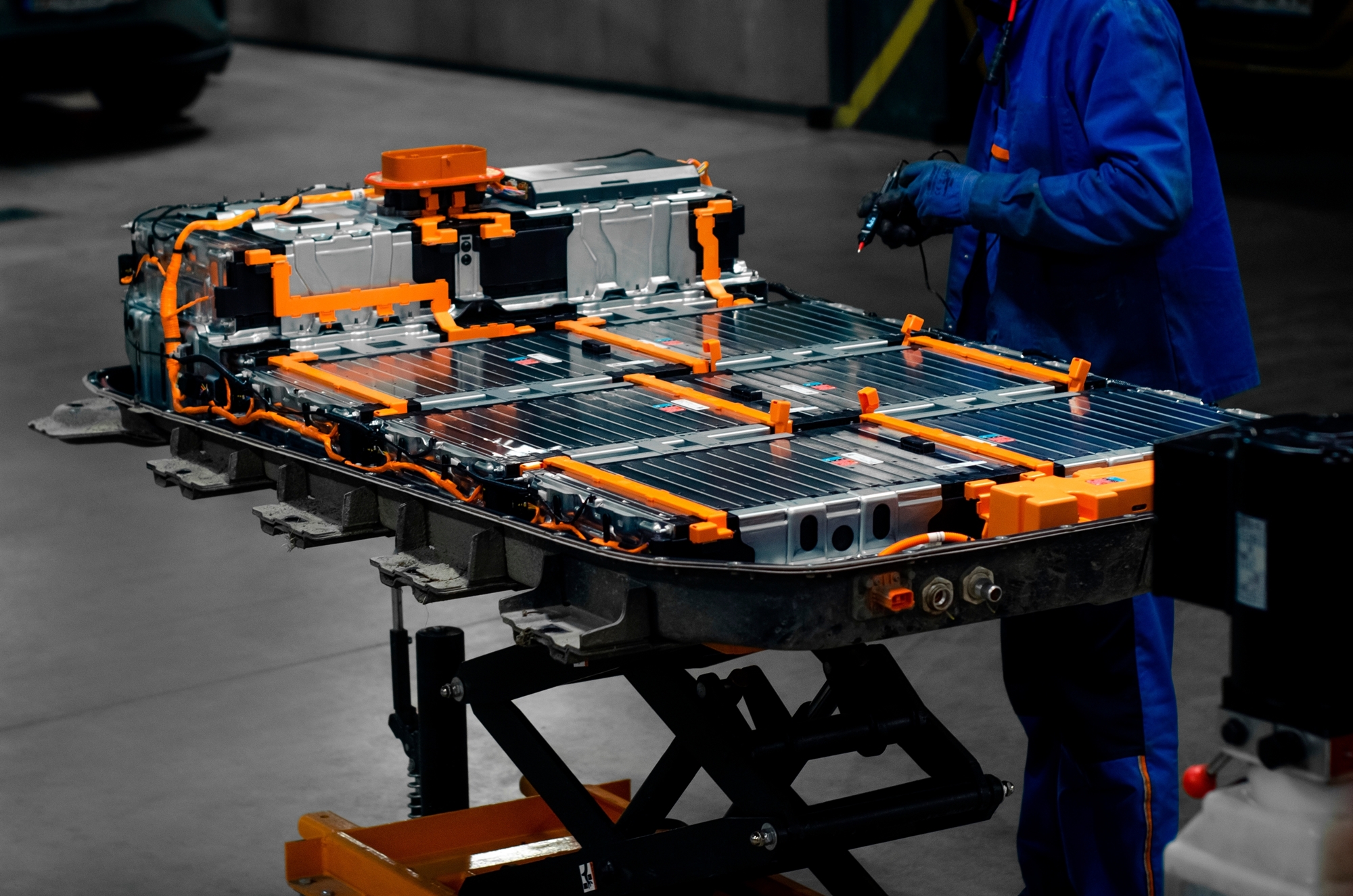
EV battery service is still a relatively new field, and the procedures are evolving rapidly. A typical service might involve a comprehensive battery health check, using diagnostic tools to assess the battery’s capacity, internal resistance, and cell balance. For liquid-cooled systems, a coolant flush is essential to maintain optimal thermal performance. Technicians will also inspect wiring, connectors, and other components for damage or corrosion.
Repairing these packs is difficult. Unlike a standard engine, we don't have many universal repair standards yet. Swapping out a single bad cell is often so labor-intensive that it's cheaper to just replace the whole pack. Shops need specialized high-voltage gear and safety training that most local mechanics just don't have yet.
The market for battery refurbishment and second-life applications is emerging. Refurbished batteries can be used in less demanding applications, such as energy storage systems. This helps to extend the life of the battery and reduce waste. By 2026, I expect to see more companies specializing in battery refurbishment and offering affordable options for extending battery life. Technicians will need to be trained in these processes as well.

No comments yet. Be the first to share your thoughts!