

The shift toward software-heavy cars
The automotive world is changing. While fully autonomous cars aren't everywhere yet, driver-assistance systems like automatic braking and lane keeping are standard now. This moves car maintenance away from just mechanical fixes toward software and sensor management.
This transition presents a challenge for both car owners and the professionals who keep our vehicles running. The skills needed to diagnose and repair a modern car are vastly different than those required even a decade ago. Auto body shops, in particular, are facing a period of adjustment. They need to invest in new tools, training, and diagnostic equipment to handle the complexities of repairing vehicles equipped with ADAS.
According to a recent article on ohsbodyshop.com, the industry is actively discussing the impact of these changes. They note that shops need to be prepared for increased calibration needs and the potential for more complex repairs. Are shops ready? Many are making the investment, but it’s a steep learning curve. The days of simply replacing a fender are fading; now, a minor collision can require extensive sensor recalibration to ensure safety systems function correctly.
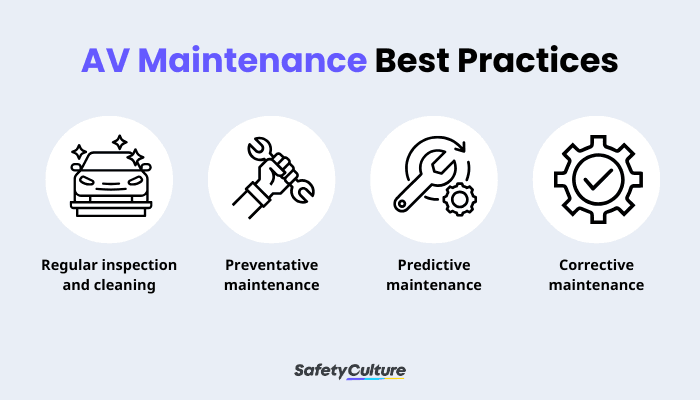
Sensor calibration is the new baseline
At the heart of any autonomous or semi-autonomous vehicle is a suite of sensors: radar, lidar, and cameras. These sensors act as the “eyes” and “ears” of the car, providing the data necessary for features like adaptive cruise control and automatic emergency braking to work. But these sensors aren’t foolproof. If they’re misaligned, even by a small amount, it can have serious consequences for safety.
Imagine a scenario where the forward-facing camera is slightly off-center. This could cause the automatic emergency braking system to misinterpret the distance to an object, potentially leading to a delayed or ineffective response. Similarly, a misaligned radar sensor could fail to detect a vehicle in the next lane. Maintaining proper sensor calibration is therefore absolutely critical.
Several situations necessitate recalibration. Minor accidents, even those that don’t appear to cause significant damage, can knock sensors out of alignment. Wheel alignments and suspension work also require recalibration, as these procedures can affect the position and orientation of the sensors. The NHTSA Federal Automated Vehicles Policy emphasizes the importance of a documented process for reinstating a vehicle to service after any event that could impact sensor performance. Manufacturers need to have clear procedures, and shops need to follow them diligently.
- Recalibrate after any collision, even minor ones.
- Check sensors following a wheel alignment.
- After suspension repairs or replacements.
- If the vehicle experiences any significant impact to the sensors.
Software updates and security risks
Over-the-air (OTA) software updates are becoming increasingly common in modern vehicles. These updates allow manufacturers to fix bugs, improve performance, and even add new features remotely, without requiring a trip to the dealership. It’s a convenient system, and generally quite effective. However, it also introduces new vulnerabilities.
Heavy reliance on software creates security risks. If someone compromises the car's code, they could access steering or braking systems. These exploits are rare in the real world so far, but the risk grows as cars get more connected.
Protecting your vehicle from these threats is a shared responsibility. Manufacturers need to implement robust security measures, and owners need to be vigilant about installing updates promptly. It’s also a good idea to practice good cybersecurity hygiene – avoid connecting to untrusted Wi-Fi networks and be cautious about downloading apps or software from unknown sources. The manufacturer ultimately bears responsibility for securing the vehicle's core systems.
High-voltage battery safety
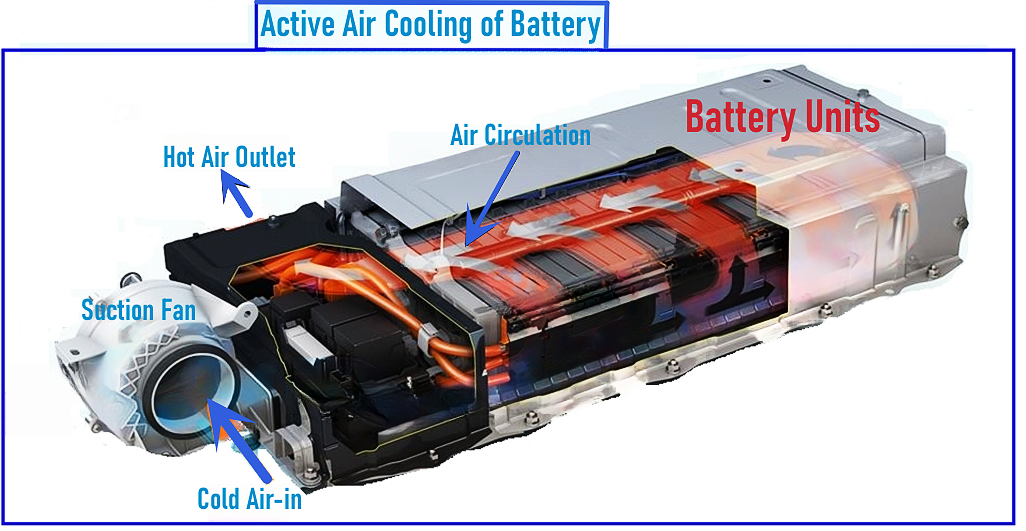
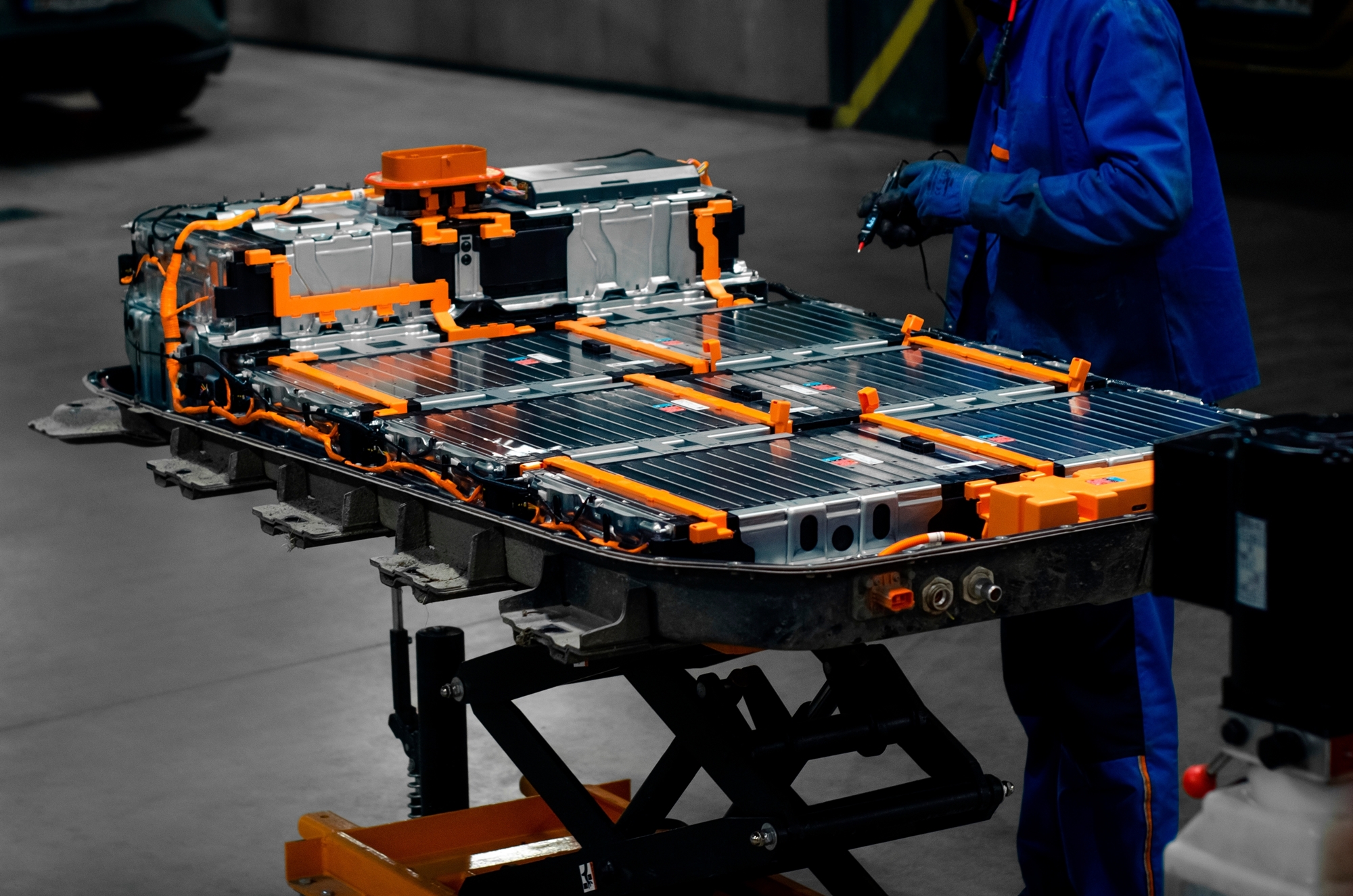
Many autonomous vehicles, and even hybrid models with advanced driver-assistance features, rely on high-voltage battery systems. These systems are significantly more powerful than the 12-volt batteries found in traditional cars, and working with them can be extremely dangerous. There's a real risk of electric shock or even fire if proper precautions aren’t taken.
Watch for decreased range or odd noises from the battery pack. You can check connections for corrosion, but don't try to repair high-voltage components yourself. These systems are dangerous without the right gear and training.
If you suspect a problem with your vehicle’s high-voltage battery, it’s crucial to take it to a qualified technician immediately. Do not attempt to diagnose or repair the system yourself. Safety should always be your top priority. Disconnect the 12V battery before working on any electrical component as a first step, but remember this doesn’t isolate the high-voltage system.
Mechanical repairs still matter
It’s easy to get caught up in the hype surrounding autonomous technology and forget that even self-driving cars still need basic maintenance. Tire rotations, brake pad replacements, fluid checks, and windshield wiper replacements are all essential for keeping your vehicle in good working order. These tasks haven’t disappeared just because the car can steer itself.
In fact, these traditional repairs can directly impact the performance of autonomous features. For example, worn tires can affect the accuracy of wheel speed sensors, which are used by the traction control and stability control systems. Low brake fluid can reduce the effectiveness of the braking system, potentially compromising the automatic emergency braking feature. It’s all interconnected.
Don't fall into the trap of thinking that autonomous vehicles are somehow immune to the laws of physics. They still require regular maintenance to operate safely and reliably. It’s reassuring to know that some things haven’t changed – and that’s a good thing.
Diagnosing phantom issues
One of the biggest challenges with autonomous systems is diagnosing problems that aren’t caused by a traditional mechanical failure. Sometimes, an issue arises that seems to defy explanation – a sensor error that appears and disappears randomly, or a software glitch that causes a feature to malfunction intermittently. These "phantom" issues can be incredibly frustrating to troubleshoot.
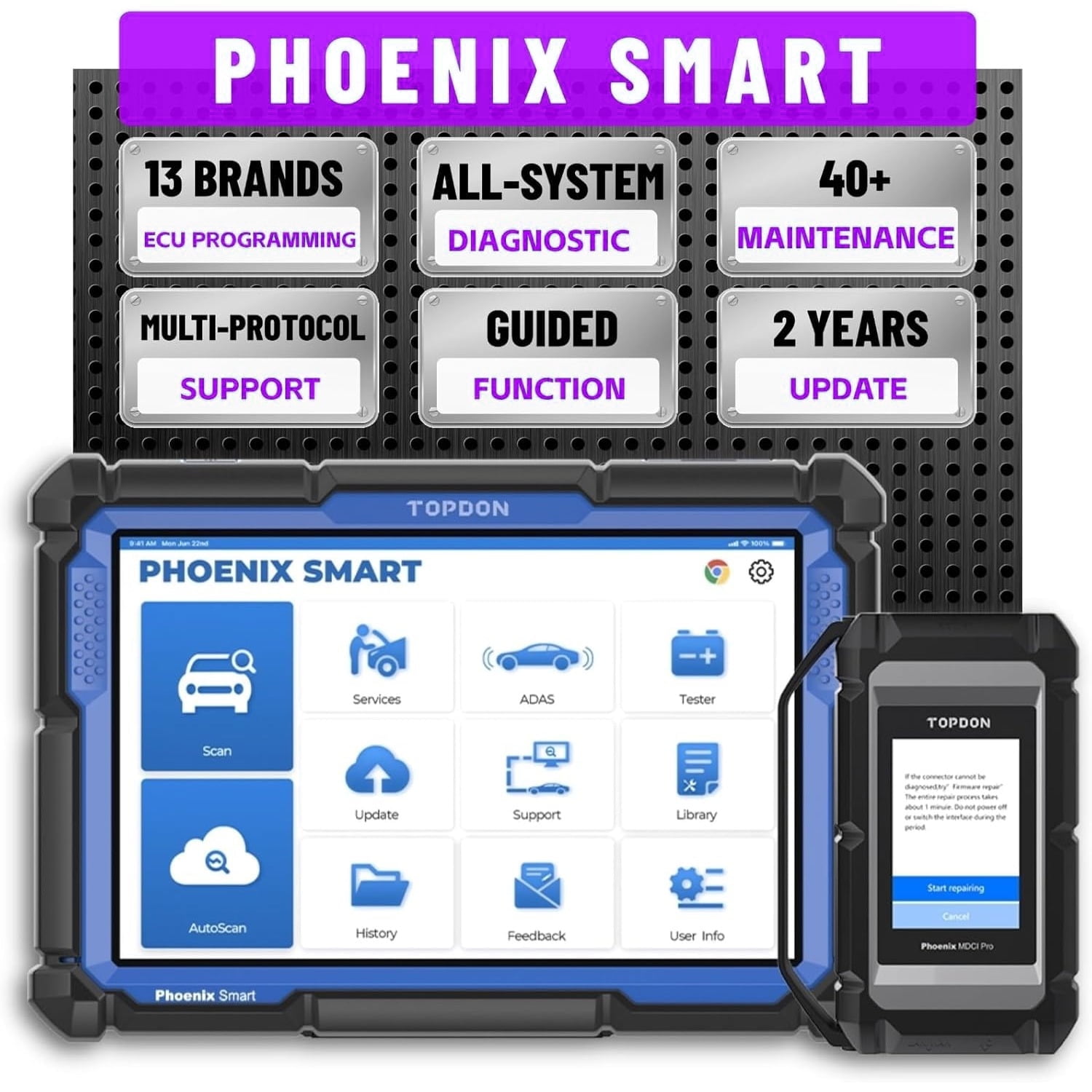
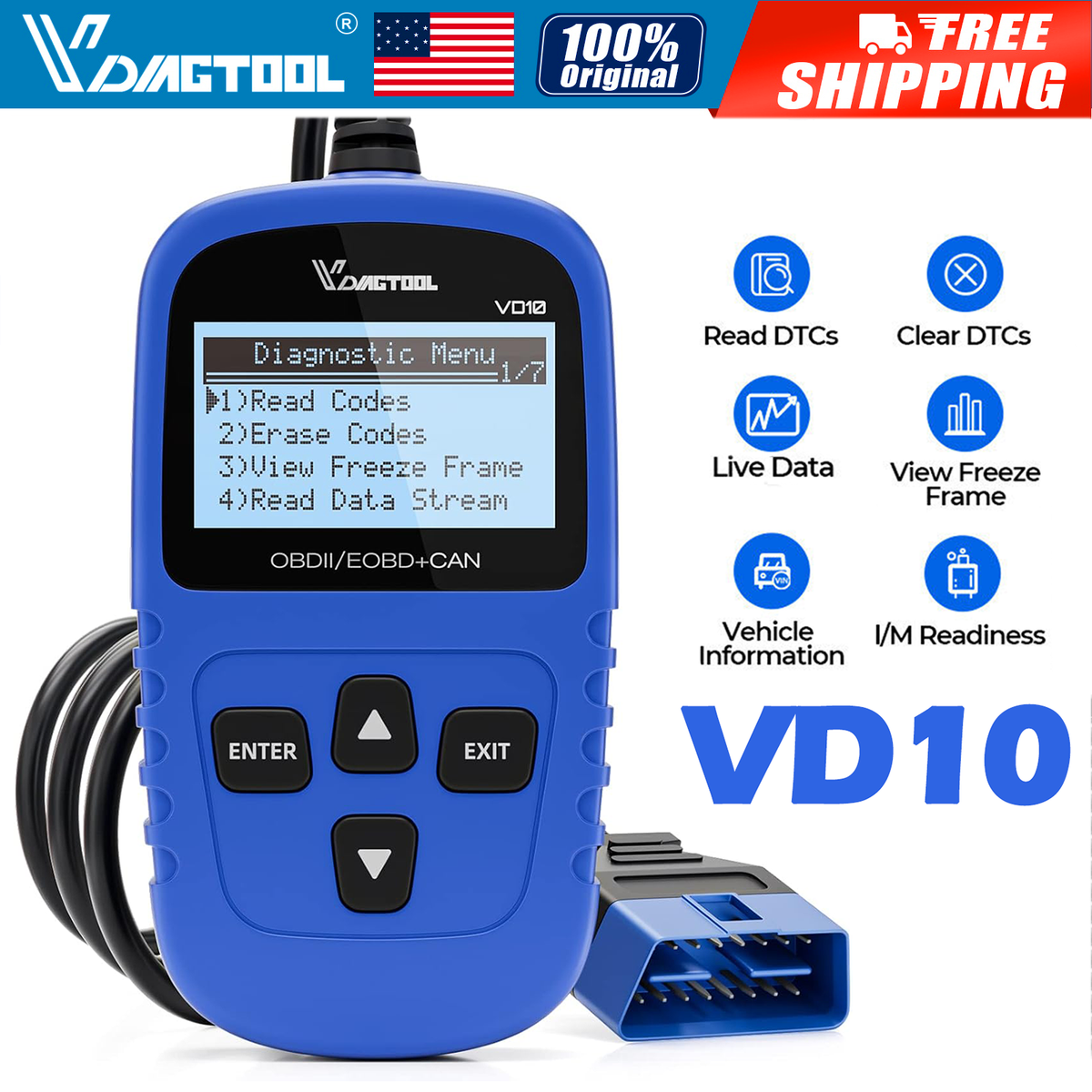
The key to diagnosing these problems often lies in accessing and interpreting the data generated by the vehicle’s sensors and computers. Modern diagnostic tools can provide a wealth of information, but it requires a skilled technician to know how to interpret it. This is a far cry from simply plugging in a code reader and looking up the error code.
Data logging and remote diagnostics are becoming increasingly important. Some manufacturers allow technicians to remotely access vehicle data and diagnose problems without even being physically present. This can save time and money, but it also raises privacy concerns. The complexity of these systems means specialized training is essential for anyone working on them.
Common Autonomous Feature Malfunctions & Potential Causes
| Feature | Symptom | Possible Cause | Difficulty to Diagnose |
|---|---|---|---|
| Adaptive Cruise Control | Erratic Braking | Dirty Radar Sensor | Easy |
| Lane Keeping Assist | Drifting within Lane | Camera Obstruction (dirt, snow, ice) | Easy |
| Automatic Emergency Braking | False Activation | Software Glitch | Medium |
| Parking Assist | Failure to Detect Obstacles | Sensor Calibration Issue | Medium |
| Blind Spot Monitoring | Inaccurate Alerts | Sensor Malfunction | Medium |
| Traffic Sign Recognition | Misinterpreting Signs | Poor Lighting Conditions | Easy |
| Navigation System | Incorrect Route Guidance | Map Data Outdated | Easy |
| Surround View Camera | Distorted Image | Camera Damage | Medium |
Illustrative comparison based on the article research brief. Verify current pricing, limits, and product details in the official docs before relying on it.
No comments yet. Be the first to share your thoughts!