

how battery tech is changing for 2026
The electric vehicle world is moving incredibly fast. What seemed like futuristic technology just a few years ago is now commonplace. By 2026, we'll see even more significant changes in battery technology, impacting how we maintain these vehicles. A lot of the buzz centers around solid-state batteries, promising higher energy density and improved safety, but widespread adoption is still a few years off. Don't expect to be opening up a solid-state pack in your garage anytime soon.
More realistically, we're seeing continued refinement of lithium-ion chemistries. Lithium Iron Phosphate (LFP) batteries are becoming increasingly popular due to their longer lifespan and improved thermal stability, though they typically offer lower energy density than Nickel Manganese Cobalt (NMC) batteries. Improvements in NMC formulations are also happening, balancing performance with cost and safety. These changes mean that even though the basic principles of battery care remain the same, the specific needs of your 2026 EV might differ from those of a 2023 model.
Battery Management Systems (BMS) are getting better at monitoring cell health and protecting the pack from damage. Many 2026 models use 800-volt architectures to allow for faster charging. This high voltage makes DIY internal repairs lethal. Stick to external maintenance and let the software handle the internal balancing.
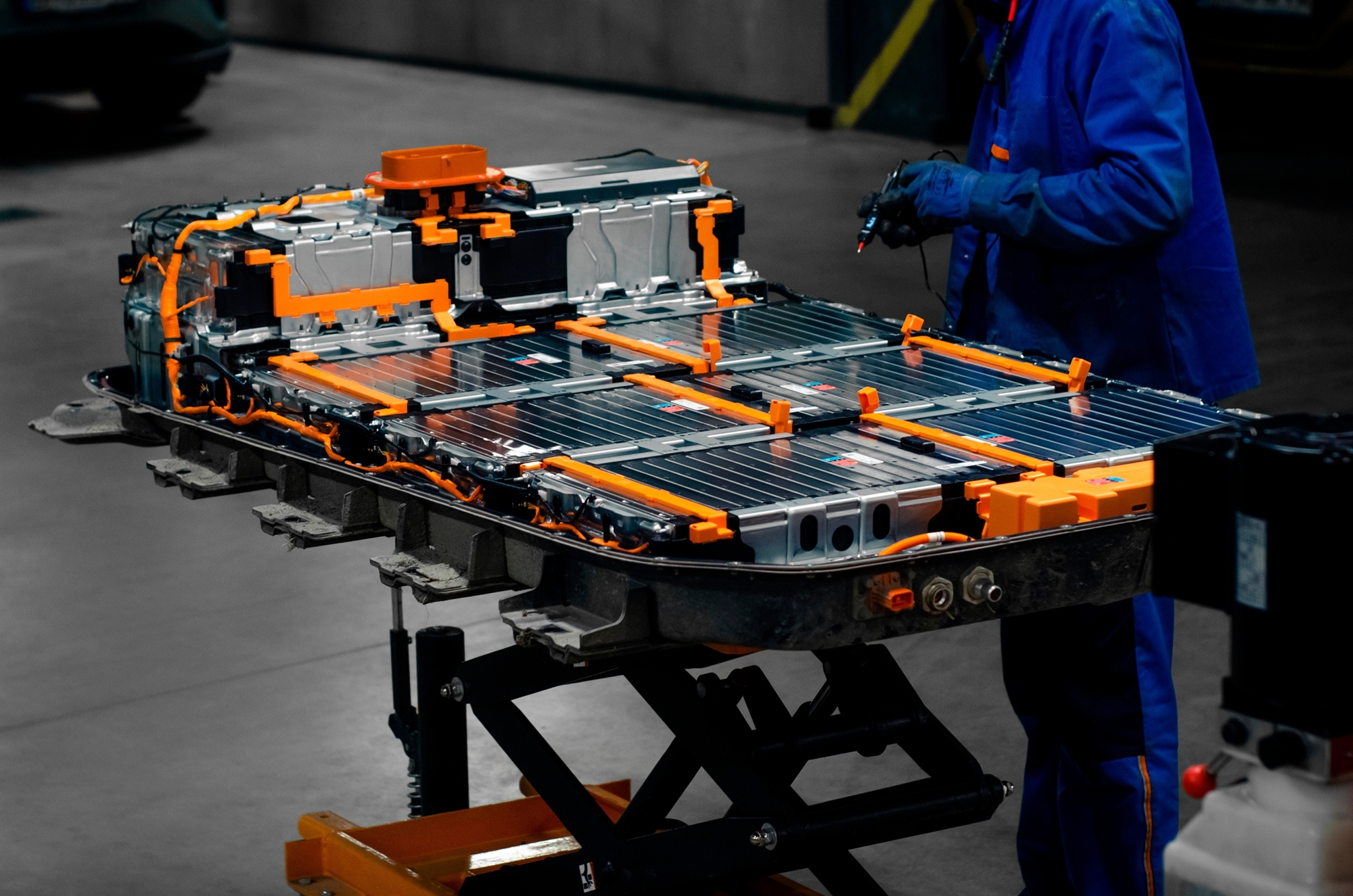
visual checks you can do at home
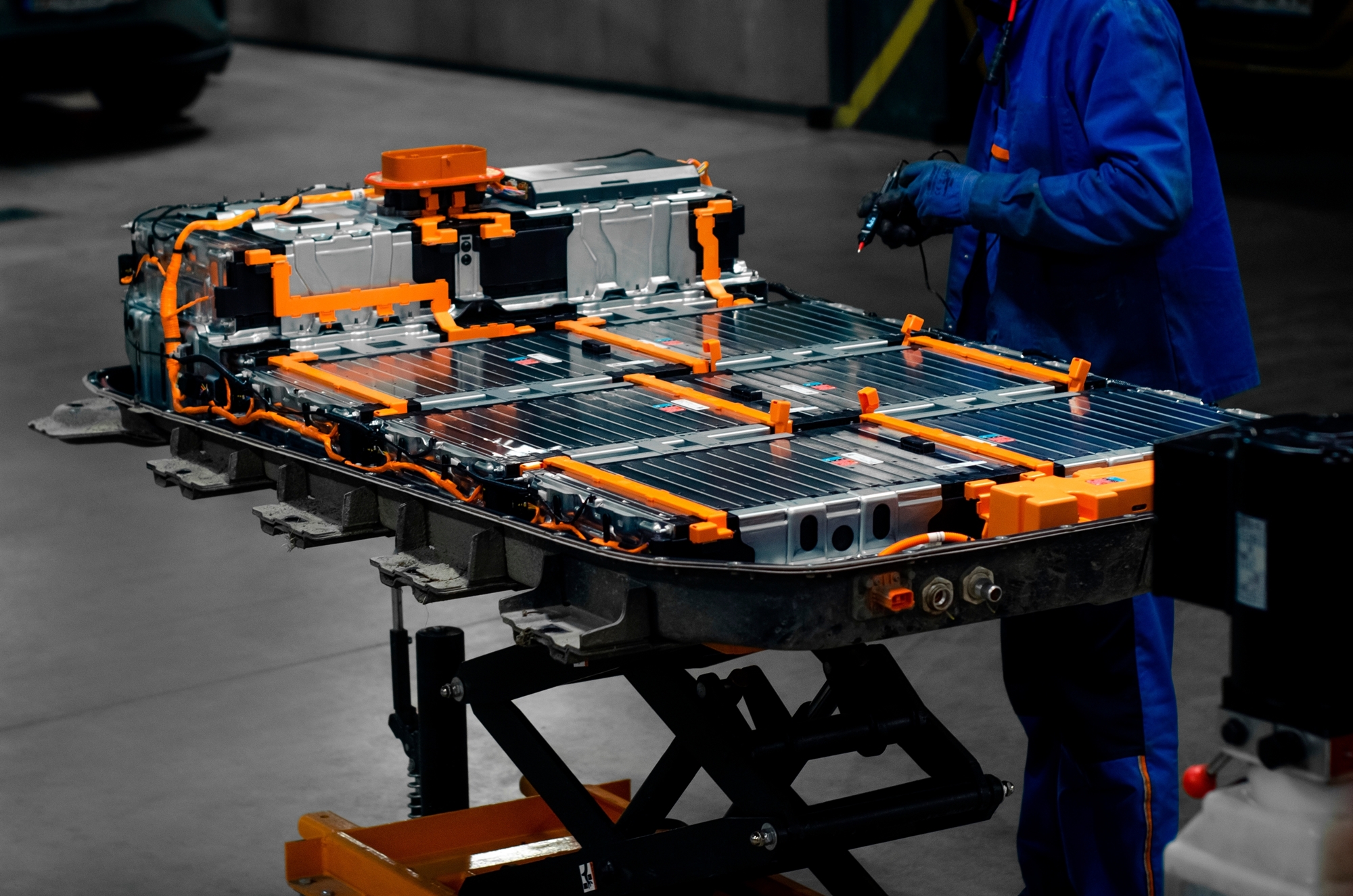
There are some basic checks that EV owners can perform themselves, but it's crucial to understand the limits of what you can safely do. The most important rule: do not attempt to open the battery pack itself. These packs contain hundreds of individual cells and are filled with potentially flammable electrolytes. Tampering with them is incredibly dangerous.
If your vehicle allows access, visually inspect the battery cooling lines for any signs of leaks. These lines circulate coolant to regulate battery temperature, and a leak can lead to overheating and reduced performance. Also, carefully examine the battery enclosure for any physical damage – corrosion, dents, or cracks. These could compromise the battery's integrity. Keep an eye out for warning lights on your dashboard; these are your car's way of telling you something is wrong.
Identifying swelling or deformation in battery cells is tricky, as direct visual access is often limited. However, if you notice any bulging or unusual shapes in the battery enclosure, it’s a sign something is amiss. It's better to err on the side of caution and have a professional inspect the battery. Remember, these are just visual checks. Deeper diagnostics require specialized tools and expertise.
managing battery temperature
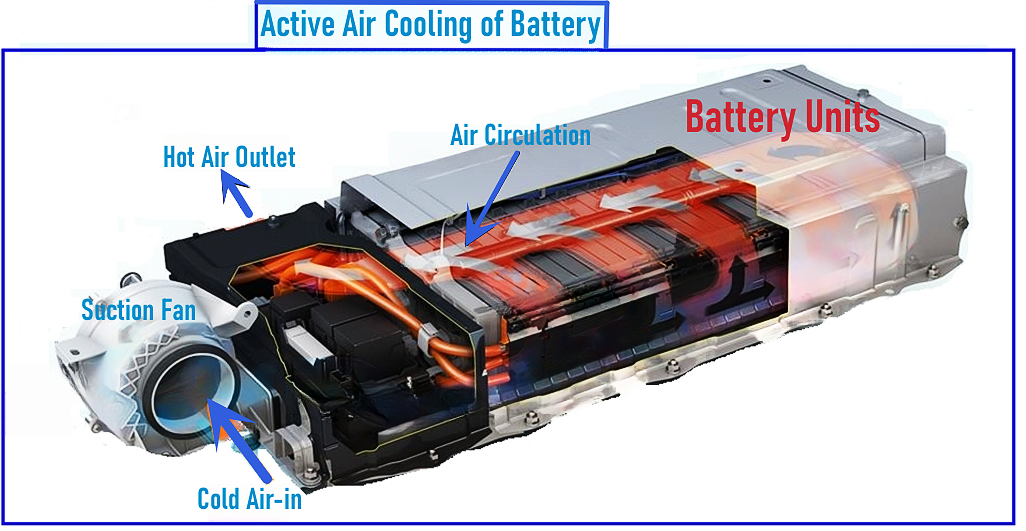
Battery temperature is a huge factor in both performance and longevity. Extreme temperatures – both hot and cold – can significantly reduce battery life and range. Maintaining the battery within its optimal temperature range is essential. Most EVs have sophisticated thermal management systems to handle this, but understanding how they work can help you maximize battery health.
If your car provides diagnostic information, check to see if the battery cooling or heating system is functioning correctly. Look for error codes or unusual temperature readings. Pre-conditioning the battery – warming it up in cold weather or cooling it down in hot weather – before fast charging or demanding driving can significantly improve performance and reduce stress on the battery. This is especially true before a long road trip.
Replacing a coolant pump is usually too complex for a home garage and often voids the manufacturer warranty. It is better to focus on prevention. Park in the shade and use the car's pre-conditioning features to stabilize temperatures before you drive. If you see a sudden range drop in heat, the cooling system is likely struggling.
charging habits for long-term health
How you charge your EV has a massive impact on its long-term battery health. The conventional wisdom used to be that you needed to fully discharge lithium-ion batteries occasionally to prevent 'memory effect,' but that’s entirely outdated advice. Modern batteries don’t suffer from this issue. In fact, consistently charging to 100% and depleting to 0% puts significant stress on the battery cells.
A good rule of thumb is to aim to keep the battery charge between 20% and 80% for daily driving. This reduces strain and maximizes lifespan. DC fast charging is convenient, but it generates more heat and can accelerate battery degradation compared to slower Level 2 charging. Use DC fast charging sparingly, when you really need it.
The frequency of charging also matters. More frequent, shallow charges are generally better than infrequent, deep cycles. Different charger types impact battery degradation differently, too. A dedicated home Level 2 charger will typically be gentler on the battery than a public DC fast charger. The BMS plays a role here, adjusting charging rates and voltage to minimize stress. Consider the cost of replacing a battery pack when deciding on your charging routine.
According to a study by Recurrent Auto from 2023, maintaining a charge between 20-80% can extend battery life by up to 20% compared to consistently charging to 100%. It’s a small change in habit that can yield significant long-term benefits.
software and management systems
Don't underestimate the power of software updates. Automakers are constantly refining their Battery Management Systems (BMS) through over-the-air updates, improving battery performance, optimizing charging algorithms, and extending lifespan. Keeping your car's software up-to-date is one of the easiest things you can do to maintain battery health.
The BMS is the brain of the battery system, constantly monitoring cell voltages, temperatures, and currents. It optimizes charging and discharging to prevent overcharging, over-discharging, and thermal runaway. It also performs cell balancing, ensuring that all cells in the pack are at a similar state of charge. A well-functioning BMS is crucial for maximizing battery life.
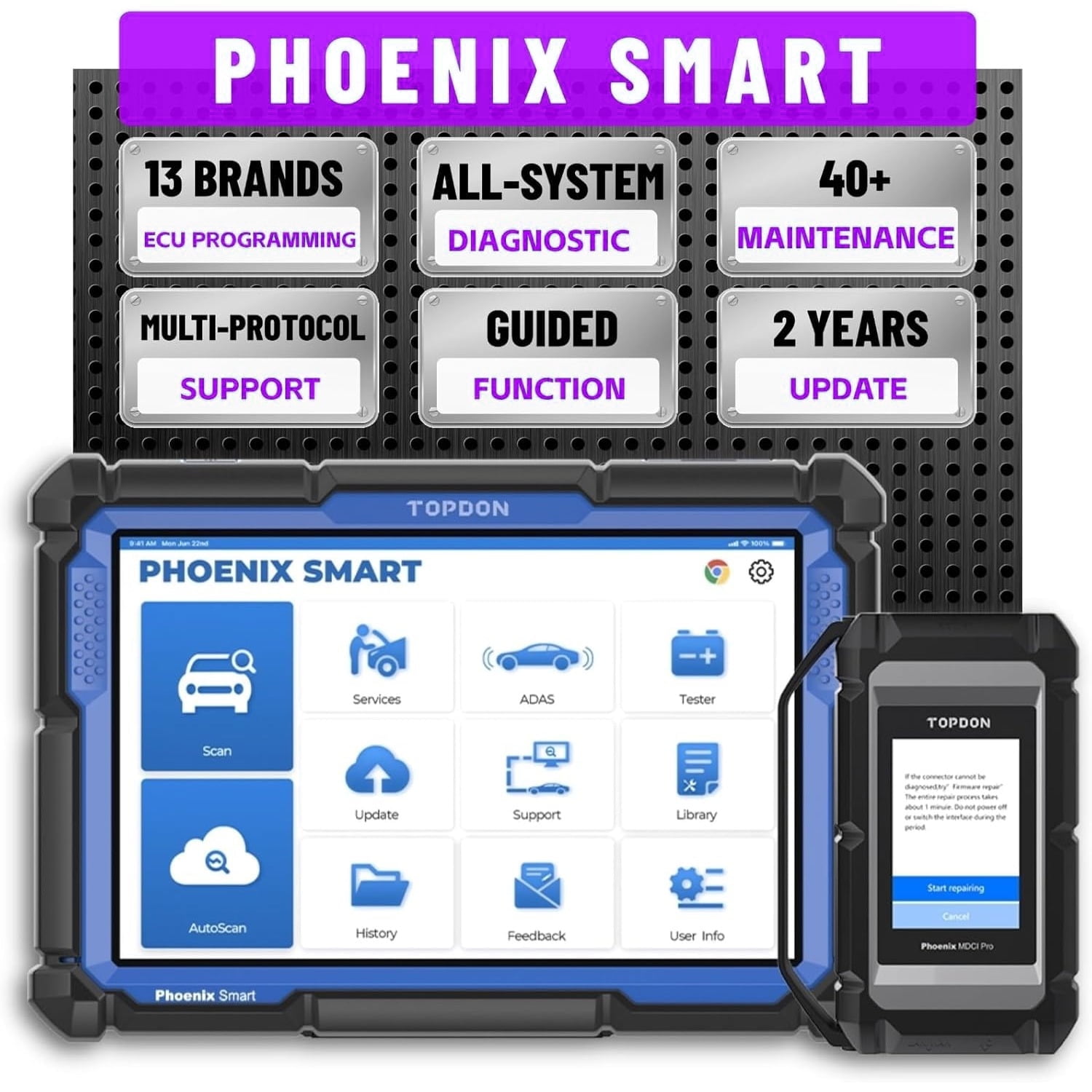
Some aftermarket OBD-II adapters claim to read BMS data, but their accuracy varies by car brand. Use these tools for general interest, but don't rely on them for safety decisions. The car handles cell balancing automatically, so there is no manual work required for the owner.
the reality of battery reconditioning
Battery reconditioning is an emerging field, with companies claiming to be able to restore degraded battery capacity. The process typically involves diagnosing failing cells, replacing them, and rebalancing the pack. While the idea is appealing, it’s currently not a widespread or standardized practice.
Whether it's a viable DIY option is debatable. The complexity of battery packs, the hazardous materials involved, and the need for specialized equipment make it a risky undertaking. It’s generally best left to professionals. The potential benefits include extending battery life and avoiding the cost of a full replacement, but the risks – including fire and electric shock – are significant.
Several companies now offer battery reconditioning services, but it’s crucial to do your research and choose a reputable provider. I won’t endorse any specific company here, but look for those with certified technicians and a proven track record. Be sure to get a clear estimate of the cost and potential benefits before proceeding.
when to call a professional
There are certain situations where professional help is absolutely required. Any physical damage to the battery pack – even a minor dent – should be inspected by a qualified technician. Persistent warning lights on the dashboard related to the battery system are another red flag. Significant and unexplained range loss, or unusual charging behavior, also warrant a professional diagnosis.
Working with high-voltage systems is extremely dangerous. EV batteries can deliver a lethal electric shock, and improper handling can lead to fire. Don’t attempt to diagnose or repair battery issues yourself if you’re not properly trained and equipped. The specialized training and equipment needed to work on EV batteries are beyond the reach of most DIYers.
Remember, safety should always be your top priority. If you’re unsure about anything, err on the side of caution and consult a professional. A qualified EV technician can accurately diagnose the problem and perform the necessary repairs safely and effectively.

No comments yet. Be the first to share your thoughts!