
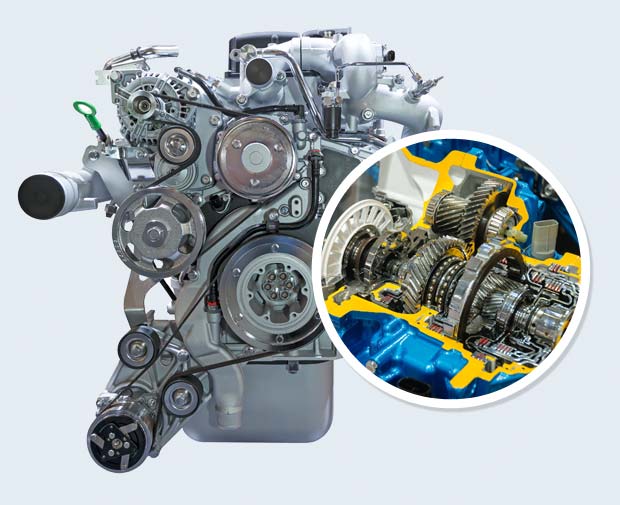

What the budget buys
Repairing smart car technology in 2026 usually splits into two paths: cosmetic fixes and deep system overrides. If you are dealing with surface-level damage to sensors or integrated panels, Small to Medium Repair Technology (SMART) allows technicians to fix cosmetic flaws without replacing entire modules. This is significantly cheaper than a full part swap and preserves the original hardware's calibration.
For deeper software glitches or hardware failures in the infotainment and ADAS systems, the cost scales based on the age of the vehicle. Newer models often require proprietary dealership tools for flashing firmware, while older 2020-2024 models have a more mature aftermarket for third-party diagnostic tools.
Choosing between a certified dealer and an independent specialist is a tradeoff between warranty protection and out-of-pocket cost. Dealers provide the most stable software versions but charge a premium for labor. Independent shops can often resolve common 2026 vehicle tech problems faster, though they may lack the latest OEM updates for the newest firmware releases.
Models worth checking first
Use this section to make the Smart Car Technology Repairs decision easier to compare in real life, not just on paper. Start with the reader's actual constraint, then separate must-have requirements from details that are merely nice to have. A practical choice should survive normal use, maintenance, timing, and budget. If a recommendation only works in an ideal situation, call that out plainly and give the reader a fallback path.
| Factor | What to check | Why it matters |
|---|---|---|
| Fit | Match the option to the primary use case. | A good deal still fails if it does not fit the job. |
| Condition | Verify age, wear, and service history. | Hidden condition issues erase upfront savings. |
| Cost | Compare purchase price with likely upkeep. | The cheapest option is not always the lowest-cost option. |
Check before you buy
Use this section to make the Smart Car Technology Repairs decision easier to compare in real life, not just on paper. Start with the reader's actual constraint, then separate must-have requirements from details that are merely nice to have. A practical choice should survive normal use, maintenance, timing, and budget. If a recommendation only works in an ideal situation, call that out plainly and give the reader a fallback path.
-
Verify the basicsConfirm the core specs, condition, and fit before comparing extras.
-
Price the downsideLook for the repair, maintenance, or replacement cost that would change the decision.
-
Compare alternativesCheck at least two comparable options before treating one listing as the benchmark.
Costs that change the math
Use this section to make the Smart Car Technology Repairs decision easier to compare in real life, not just on paper. Start with the reader's actual constraint, then separate must-have requirements from details that are merely nice to have. A practical choice should survive normal use, maintenance, timing, and budget. If a recommendation only works in an ideal situation, call that out plainly and give the reader a fallback path.
The simplest way to use this section is to write down the must-have criteria first, then compare each option against those criteria before weighing nice-to-have features.
Common questions
Troubleshooting smart car technology repairs often comes down to distinguishing between a software glitch and a hardware failure. Most 2026 vehicle issues can be resolved through targeted resets or official firmware updates before you commit to expensive dealership visits.
Helpful gear
Use these product recommendations as a starting point, then choose the size, material, and price point that fit how you actually use the gear.
As an Amazon Associate, we may earn from qualifying purchases.
No comments yet. Be the first to share your thoughts!