

Beyond Bondo: The Rise of AI Dent Repair
There’s a special kind of frustration that sets in when you notice a new dent in your car. It's a visible reminder of life’s little mishaps, and traditionally, fixing it meant a trip to the auto body shop and a potentially hefty bill. For decades, 'fixing car dents' meant skilled technicians, body filler – better known as Bondo – and a lot of sanding. It was a process that could take days and still not yield perfect results.
But 2026 is shaping up to be a turning point. Artificial intelligence is quietly revolutionizing the auto body repair industry, offering faster, more precise, and potentially more affordable solutions. We're moving beyond the limitations of manual techniques and into an era of smart auto repair. This isn’t about replacing skilled technicians, but about augmenting their abilities with the power of AI.
The advancements driving this shift are in computer vision and machine learning. AI algorithms can now analyze damage with incredible accuracy, guiding repair processes and even automating some tasks. These tools aren’t just making repairs easier; they’re redefining what’s possible. The days of relying solely on a technician’s eye and experience are evolving, making way for a more data-driven and efficient approach to vehicle maintenance.
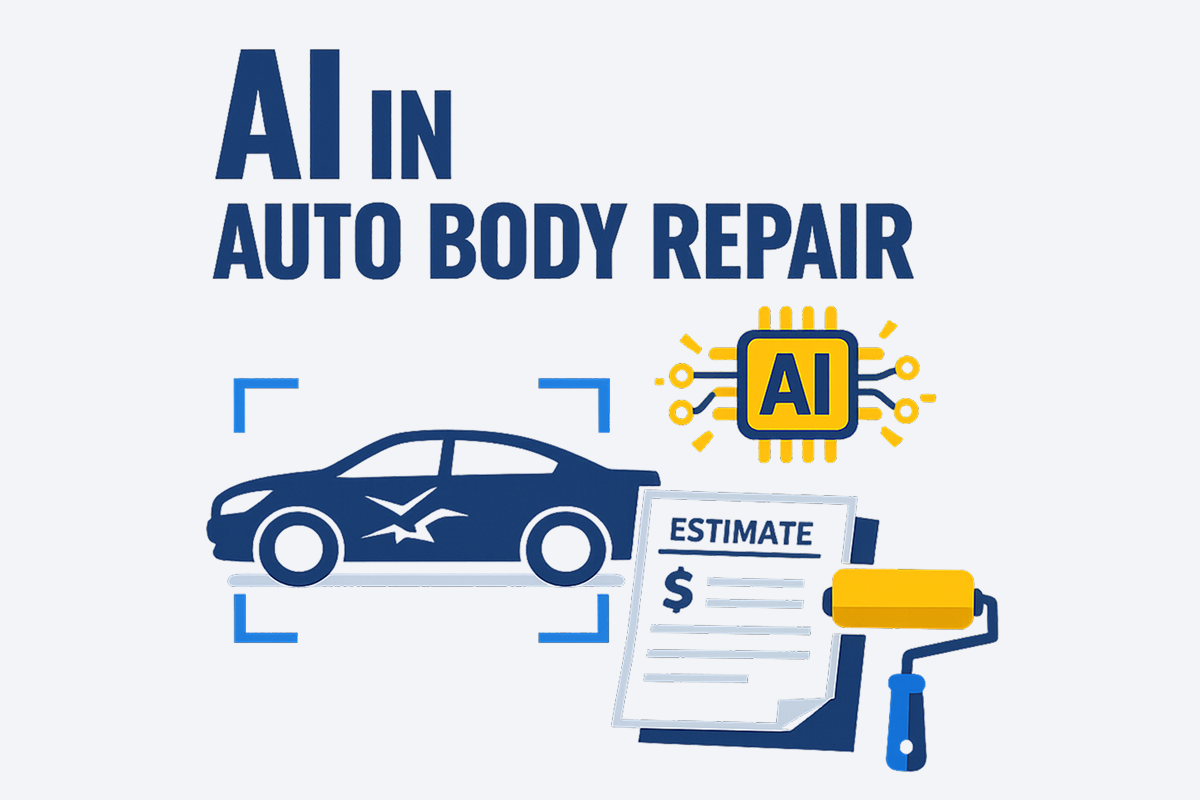
Scanning the Damage: AI-Powered Damage Assessment
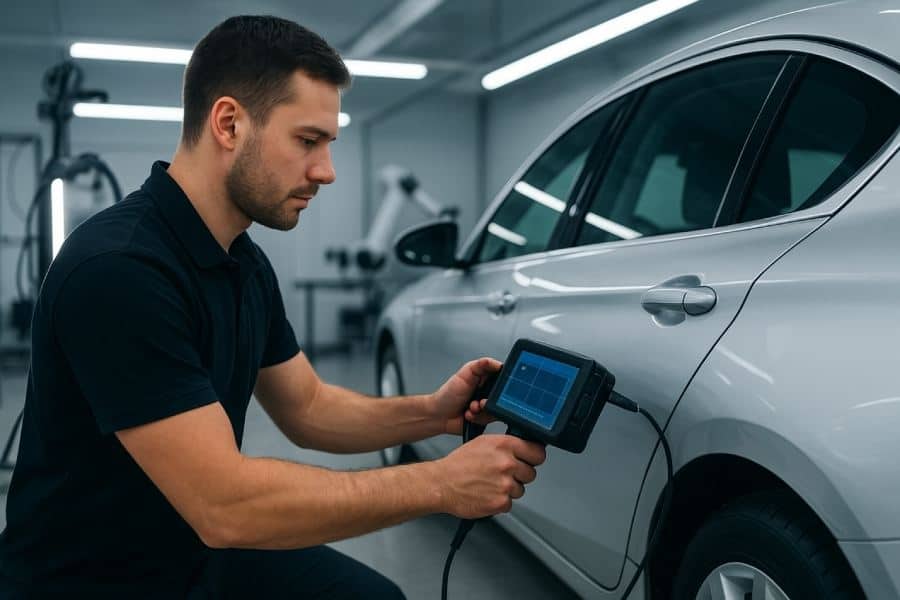
The first step in any auto body repair is a thorough assessment of the damage. Traditionally, this relied heavily on the technician’s experience and visual inspection. Now, AI is bringing a new level of precision to this process. AI-powered damage assessment systems use 3D scanning and computer vision to accurately map the contours of a dent.
These systems capture detailed data about the size, shape, and depth of the dent, creating a digital representation of the damage. The AI algorithms then analyze this data, differentiating between minor dents that can be easily repaired and more complex damage that may require traditional methods. This isn’t just about measuring the visible dent; the AI can also identify subtle distortions and hidden damage beneath the surface.
This level of detail is crucial for accurate repair estimates and ensuring a complete fix. By providing a comprehensive understanding of the damage, AI helps to minimize the risk of overlooking hidden issues and ensures that the repair is done right the first time. This precise diagnosis also streamlines the repair process, reducing the time and cost associated with unnecessary work.
Paintless Dent Repair (PDR) Gets a Brain Boost
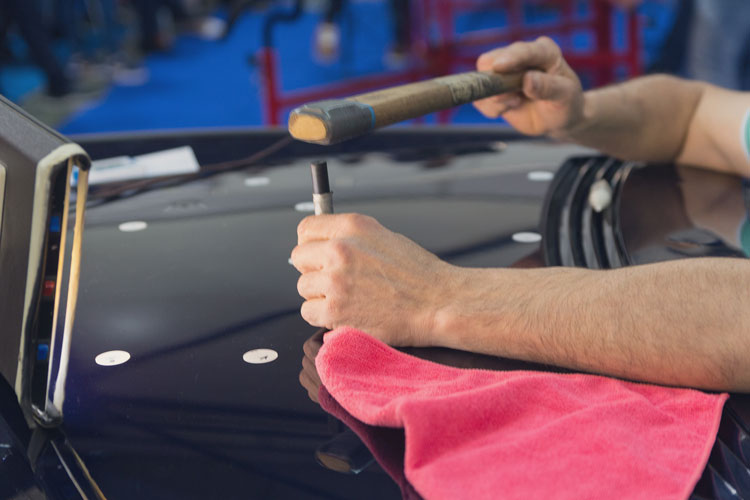
Paintless Dent Repair, or PDR, has long been a favored technique for fixing minor dents without the need for repainting. It's a skilled trade that involves carefully manipulating the metal from behind the dent to restore its original shape. But even PDR benefits from a little intelligence. AI is now being integrated into PDR tools, providing technicians with real-time guidance and assistance.
AI-guided tools use sensors and algorithms to calculate the optimal force and angle needed to restore the panel without damaging the paint. These tools can essentially 'learn' the best approach for different types of dents and metal thicknesses. This reduces the reliance on the technician’s intuition and improves the consistency of results. It’s a significant step up from relying solely on feel and experience.
You can see the difference between traditional methods and AI-assisted techniques when you look at resources like the videos from Garage Noise. Their tutorials on using body filler highlight the skill and patience required to achieve a smooth, seamless repair. AI-assisted PDR aims to reduce the need for such extensive manual work, making the process faster and more accessible. The technology isn't meant to replace the technician, but to empower them.
A key benefit is the reduced skill level required to achieve professional results. While skilled PDR technicians will always be in demand, AI tools can help less experienced technicians perform repairs with greater accuracy and confidence. This is especially important as the demand for qualified auto body professionals continues to grow.
Robotic Precision: Automated Dent Pulling Systems
Taking automation a step further, we’re seeing the development of robotic dent pulling systems. These systems use robots, guided by AI, to autonomously pull dents from panels. The robot uses a combination of sensors, cameras, and AI algorithms to identify the dent, plan the repair, and execute the pulling process.
The benefits of robotic systems are clear: increased speed, accuracy, and the ability to handle complex dent shapes. Robots can work tirelessly, operating 24/7 to increase shop throughput. They also eliminate the risk of human error, ensuring a consistent and high-quality repair. It’s a significant leap toward fully automated auto body repair.
However, it’s important to be realistic. These systems aren’t yet capable of replacing human technicians entirely. They typically require a skilled operator to oversee the process and handle more complex repairs. The technology is still evolving, and the initial investment can be substantial. The current focus is on using robots to handle repetitive tasks, freeing up technicians to focus on more challenging repairs.
Despite these limitations, the potential for robotic dent pulling is enormous. As the technology matures and becomes more affordable, we can expect to see it become more widespread in auto body shops.
AI & Body Filler: A Smarter Approach
Even with the advancements in PDR and robotic systems, body filler remains a necessary tool for certain types of dent repair. But even this traditional process is getting an AI upgrade. AI-powered tools can now analyze the dent and recommend the optimal type and amount of filler needed for a seamless repair.
These tools consider factors such as the size and shape of the dent, the type of metal, and the desired finish. They can also assist with sanding and shaping the filler, guiding the technician to achieve a flawless result. This minimizes waste and reduces the risk of errors. It’s about making a traditionally manual process more precise and efficient.
Again, comparing this to the detailed techniques shown in videos from Garage Noise on body filler application really illustrates the improvement. Their emphasis on careful preparation, application, and sanding highlights the skill involved; AI aims to assist with these steps and make them more consistent. The goal isn't to eliminate the technician's expertise, but to amplify it.
The Cost Equation: AI vs. Traditional Repair
One of the biggest questions surrounding AI-assisted dent repair is the cost. How does it compare to traditional methods? The answer is complex. While the initial investment in AI-powered systems – including equipment, software, and maintenance – can be substantial, the long-term cost savings can be significant.
AI can reduce labor costs by automating some tasks and improving efficiency. It can also minimize material waste by ensuring that the right amount of filler is used and that repairs are done correctly the first time. This leads to lower overall repair costs for the auto body shop, which can potentially be passed on to consumers.
However, it’s important to remember that the cost of AI technology is still coming down. As the technology becomes more widespread and competition increases, prices are likely to become more affordable. It’s also worth considering the potential for AI to attract more customers by offering faster, more reliable repairs.
What Skills Will Auto Body Techs Need in 2026?
The rise of AI in auto body repair doesn’t mean the end of the auto body technician. It means the role is evolving. While AI automates some tasks, it also creates new opportunities and demands a new set of skills. The technicians of 2026 won’t just be skilled with traditional tools; they’ll need to be proficient in data analysis, system maintenance, and quality control.
Understanding how AI algorithms work and being able to troubleshoot issues will be crucial. Technicians will need to be able to interpret data generated by AI systems, identify potential problems, and make informed decisions. The ability to adapt to new technologies and embrace continuous learning will be essential.
This isn’t about replacing technicians; it’s about empowering them with new tools and skills. The most successful auto body professionals will be those who can seamlessly integrate their traditional expertise with the power of AI. It’s a shift from being solely a "hands-on’ repairer to being a ‘hands-on’ and ‘data-driven" technician.
Looking Ahead: The Future of AI in Auto Body
The integration of AI into auto body repair is just beginning. In the coming years, we can expect to see even more sophisticated applications of this technology. Imagine AI being integrated with augmented reality (AR) and virtual reality (VR) to provide technicians with real-time guidance and training. Picture AI-powered self-repair systems for minor dents, allowing car owners to fix small imperfections themselves.
The potential for innovation is vast. We might see AI systems that can predict potential damage based on driving conditions and vehicle data. Or AI that can automatically order replacement parts and schedule repairs. The possibilities are endless.
However, it’s important to acknowledge the ethical considerations. Data privacy and job displacement are legitimate concerns that need to be addressed. We need to ensure that AI is used responsibly and that the benefits are shared by everyone. Despite these challenges, the future of AI in auto body repair looks bright.
AI has the potential to improve the efficiency, quality, and affordability of auto body repair, making it easier and more convenient for car owners to keep their vehicles in top condition. It’s a transformation that promises to reshape the industry for years to come.
No comments yet. Be the first to share your thoughts!