

Hail damage trends for 2026
Early data from 2026 indicates a substantial increase in hail-related vehicle damage. We’re seeing more frequent and severe hailstorms across the country, particularly in the central plains states and increasingly in the southeast. This year has already witnessed a 15% surge in claims compared to the average of the previous five years, according to preliminary reports from major insurance providers.
Texas, Oklahoma, and Colorado are currently experiencing the highest concentration of hail damage claims. These areas have been hit by several intense storms in the first half of the year, leaving a trail of dented hoods, roofs, and trunks. The escalating frequency of these events is likely linked to broader climate patterns, though pinpointing exact causes is complex.
Bigger stones do more than just dent hoods; they shatter windshields and crack trim, which pushes repair bills higher. Insurance companies expect 2026 to set records for claims. This volume is already stretching repair shop schedules out by weeks and will likely lead to higher premiums next year.
Interestingly, we're also seeing a shift in the types of vehicles affected. While trucks and SUVs were traditionally less susceptible due to their robust construction, modern vehicles with aluminum bodies are proving more vulnerable to hail damage. This is something both owners and repair technicians need to be aware of as repair techniques differ for these materials.
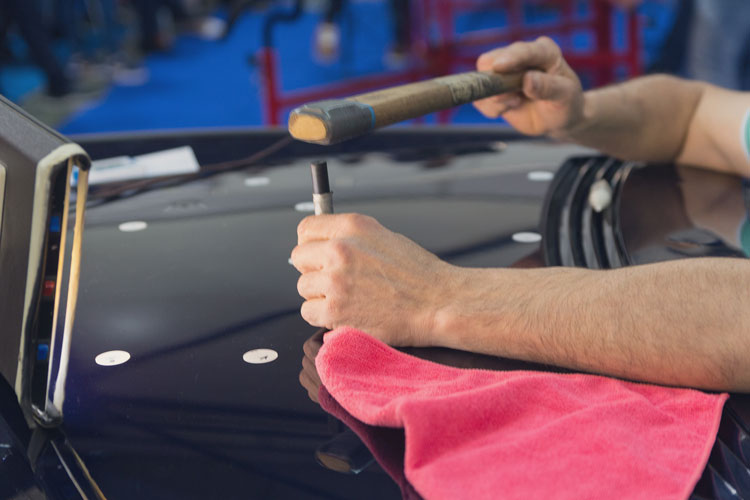
How paintless dent repair works
Paintless Dent Repair (PDR) fixes dents without using body filler or new paint. Technicians use metal rods and picks to massage the metal back into place from behind the panel. It works because most modern car panels are flexible enough to return to their original shape if handled correctly.
The beauty of PDR lies in its non-invasive nature. Because the original paint finish remains intact, it’s a much faster and more affordable solution than conventional body work. A typical PDR repair can often be completed in a matter of hours, compared to several days for a traditional repair involving sanding, filling, and repainting.
However, PDR isn’t a universal fix. It’s most effective on relatively shallow dents where the paint hasn’t been cracked or stretched. Dents located on the edges of panels, or in areas with reinforced metal, can be more challenging or even impossible to repair using PDR. Sharp, creased dents also often require traditional methods.
- The technician gains access to the inner side of the door or hood.
- They apply pressure to the underside of the dent using steel rods.
- Repeat the process until the dent is minimized or removed.
When to fix it yourself
The temptation to tackle minor hail dents yourself is understandable, especially with the availability of DIY dent repair kits. The Garage Noise YouTube channel recently published a video demonstrating body filler techniques (uploaded January 1, 2026), and it's clear that some small dents can be addressed at home. However, it’s crucial to be realistic about your skills and the potential risks.
Using body filler improperly can easily lead to more significant problems. Cracking the existing paint, creating an uneven surface, or failing to properly sand and prime the area are common mistakes that can necessitate a professional repair anyway. A poorly executed DIY repair can end up costing more in the long run.
If the dent is larger than a coin or the paint is cracked, take it to a shop. A bad DIY job usually ends with wavy metal or chipped paint that costs more to fix than the original hail damage. I've seen home repairs turn a $200 PDR job into a $1,200 panel respray.
Consider also that DIY solutions rarely address the underlying issues that contribute to denting. A professional auto body shop can assess the structural integrity of the panel and recommend appropriate repairs to prevent future problems.
Handling the insurance claim
Navigating the insurance process after hail damage can feel daunting. The first step is to gather all relevant information, including your insurance policy number, photos of the damage, and the date and location of the hail event. Document everything meticulously.
When you file a claim, an insurance adjuster will typically inspect the damage and provide an estimate of the repair costs. It’s a good idea to get multiple estimates from different auto body shops before the adjuster arrives. This gives you leverage during negotiations and ensures you’re getting a fair assessment.
Be sure to understand your deductible – the amount you’re responsible for paying out of pocket. Your deductible will impact the final cost of the repair. Some policies also cover the cost of a rental car while your vehicle is being repaired, so be sure to inquire about this option.
Don't hesitate to ask the adjuster questions and clarify any points you don’t understand. You have the right to challenge the adjuster’s estimate if you believe it’s inaccurate or doesn’t fully cover the necessary repairs. Keep records of all communication with the insurance company, including dates, times, and the names of the representatives you spoke with.
Finding Reputable Auto Body Shops
Choosing the right auto body shop is crucial for a quality repair. Yelp data for Sunbury, OH (updated 2026) consistently shows that shops with high ratings and numerous positive reviews tend to deliver better results. Pay attention to what other customers are saying about their experiences.
Look for shops that are I-CAR certified. I-CAR is a non-profit organization that provides training and certification for auto body repair technicians. Certification demonstrates a commitment to quality and adherence to industry best practices. A shop’s website should clearly display their certifications.
Always get a written estimate from multiple shops before making a decision. Compare not just the price, but also the scope of the repair and the materials used. A significantly lower price might indicate corners are being cut. Ask about the warranty offered on the repair work.
Don't be afraid to ask questions about the repair process. A reputable shop will be happy to explain what they’re going to do and answer any concerns you may have. Trust your instincts – if something doesn’t feel right, it’s best to move on to another shop.
Repair & Claim Steps
- Document the Damage - Thoroughly photograph all dents and damage to your vehicle. This is crucial for your insurance claim.
- File an Insurance Claim - Contact your insurance provider as soon as possible to begin the claims process. Be prepared to provide your policy number and details about the hail event.
- Understand Your Deductible - Know the amount of your deductible, as you will be responsible for paying this amount before your insurance coverage kicks in.
- Paintless Dent Repair (PDR) - Explore PDR as a potential repair option, especially for smaller dents. It’s often more affordable and preserves the original factory finish.
- Traditional Body Repair - For larger or more severe dents, traditional body repair methods involving filling, sanding, and repainting may be necessary.
- Evaluate Auto Body Shops - Carefully select a reputable auto body shop. Check online reviews (Yelp, Google, etc.), verify I-CAR certifications, and get written estimates from at least three shops.
- Review Estimates Carefully - Ensure estimates detail the scope of work, parts used, and labor costs. Ask about the type of paint and materials used.
- Confirm Warranty Details - Inquire about the warranty offered on the repairs. A good shop will stand behind their work.
Long-Term Vehicle Protection
Protecting your vehicle from future hail damage requires a proactive approach. Whenever possible, park your vehicle in a covered area, such as a garage or carport. If covered parking isn’t available, consider using a car cover specifically designed for hail protection. These covers are relatively inexpensive and can provide a significant layer of protection.
Hail protection films are another option, though they are more expensive than car covers. These films are applied to the vehicle’s exterior and can absorb some of the impact from hail stones. However, they may not provide complete protection against larger hail.
Review your comprehensive insurance coverage to understand your policy’s limitations regarding hail damage. Some policies may have specific deductibles or exclusions for hail-related claims. Ensure you have adequate coverage to protect your investment.
Regular vehicle maintenance, including addressing minor dents and scratches promptly, can help preserve your vehicle’s value and appearance. Ignoring minor damage can allow it to worsen over time, leading to more costly repairs down the road. Proactive care and timely repairs are key to maintaining your vehicle’s condition.
Paintless Dent Repair (PDR) vs. Traditional Body Repair: A Comparison for Hail Damage
| Dent Severity | Paint Condition | Cost | Repair Time | Long-Term Durability |
|---|---|---|---|---|
| Minor Dents (less than 6 inches) | Intact Paint | Excellent | Excellent | Excellent |
| Moderate Dents (6-12 inches) | Intact Paint | Good | Good | Good |
| Severe Dents (over 12 inches) | Intact Paint | Fair | Fair | Fair |
| Minor Dents (less than 6 inches) | Cracked/Chipped Paint | Poor | Fair | Fair |
| Moderate Dents (6-12 inches) | Cracked/Chipped Paint | Poor | Poor | Fair |
| Severe Dents (over 12 inches) | Cracked/Chipped Paint | Poor | Poor | Poor |
| Multiple Small Dents | Intact Paint | Good | Good | Good |
| Multiple Small Dents | Cracked/Chipped Paint | Fair | Fair | Fair |
Illustrative comparison based on the article research brief. Verify current pricing, limits, and product details in the official docs before relying on it.
No comments yet. Be the first to share your thoughts!