

BMW iX leather options
The 2026 BMW iX interior uses a mix of traditional Merino leather and synthetic Sensatec. These materials define the cabin's feel, but they require different maintenance routines to stay in good shape. Whether you opted for the animal-free upholstery or the natural hide, the goal is to keep the surfaces from drying out or cracking as the car ages.
Because EVs often attract buyers who appreciate quality and long-term investment, maintaining the pristine condition of the interior is even more important. Resale values on luxury EVs are heavily influenced by the condition of the cabin, so proactive care isn’t just cosmetic; it’s financially sensible. Even the 'vegan' leather options, while durable, require specific cleaning and conditioning to prevent cracking and fading over time. Ignoring maintenance can quickly diminish the luxurious feel and impact the vehicle’s worth.
Merino leather is porous and needs regular conditioning to stay soft. Sensatec is more stain-resistant but still traps dirt in its grain. Both materials need attention, though you'll spend more time hydrating the Merino to prevent it from becoming brittle.
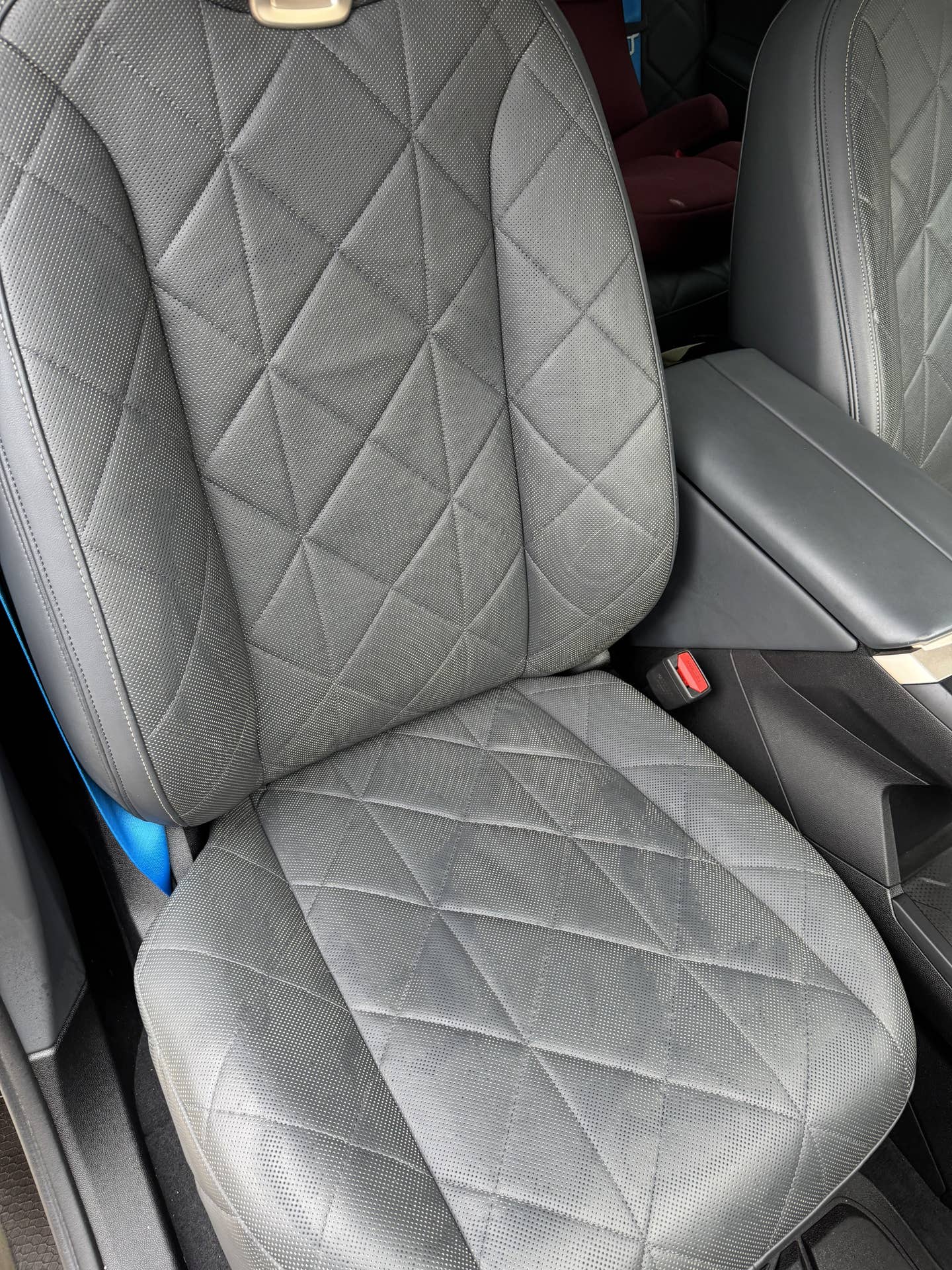
Common wear patterns in the iX
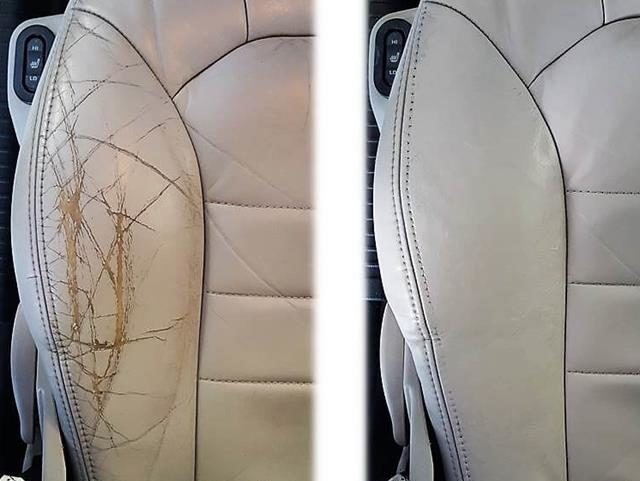
Even with careful use, the leather in your BMW iX will inevitably show some signs of wear over time. The most common issues include cracking, particularly on surfaces exposed to direct sunlight. This happens as the leather oils dry out, making it brittle. Staining is another frequent problem, arising from spills, dye transfer from clothing, or even just everyday grime. Pay close attention to areas where you frequently sit or lean, as these will experience the most wear.
Bolsters – the sides of the seats – are especially vulnerable to abrasion from entering and exiting the vehicle. Perforated leather, often used for ventilation, can also develop issues as the stitching around the perforations becomes frayed. You might also notice fading or discoloration, especially on darker leather colors. It’s important to remember that some wear is normal, and attempting to repair minor imperfections is often a better approach than prematurely replacing entire seat sections.
Climate plays a significant role. Hot, dry climates accelerate drying and cracking, while cold, humid environments can promote mildew growth if the leather isn't properly ventilated. Regularly inspecting your seats and addressing issues early on is the best strategy. Don’t wait for a small scuff to turn into a major tear—early intervention can often prevent more extensive damage.
How to clean the seats
Regular cleaning is the foundation of leather care. You'll need a few key supplies: a pH-balanced leather cleaner specifically formulated for automotive use (Lexol and Chemical Guys are reputable brands), several clean microfiber cloths, and a soft-bristled brush for agitating dirt in crevices. Avoid using harsh chemicals, abrasive cleaners, or household products like dish soap, as these can strip the leather of its natural oils.
Start by thoroughly vacuuming the seats to remove loose dirt and debris. Then, lightly spray the leather cleaner onto a microfiber cloth – never directly onto the leather. Gently wipe the surface in a circular motion, paying attention to areas with visible dirt or stains. For stubborn spots, use the soft brush to gently agitate the cleaner. Follow up with a clean, damp microfiber cloth to remove any cleaner residue. Finally, allow the seats to air dry completely, away from direct sunlight.
It’s absolutely crucial to test the cleaner in an inconspicuous area, like under the seat, before applying it to the entire surface. This ensures that the cleaner doesn’t cause any discoloration or damage. Remember, this cleaning process is preventative maintenance, designed to remove dirt and grime before they can cause long-term harm. It won't repair existing scratches or cracks – that requires a different approach.
- Vacuum the seats thoroughly.
- Spray leather cleaner onto a microfiber cloth.
- Gently wipe the leather in a circular motion.
- Use a soft brush for stubborn spots.
- Wipe away residue with a damp cloth.
- Allow to air dry completely.
Fixing light scratches and fading
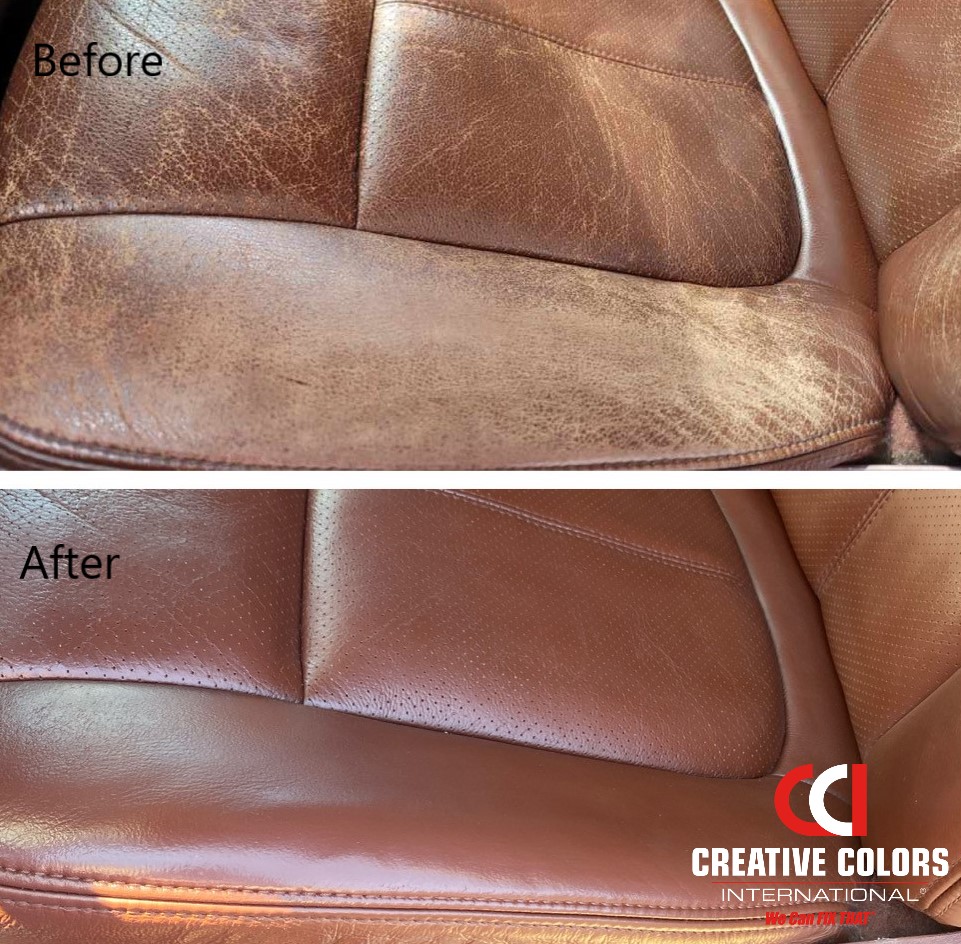
Light scratches and minor color loss can often be addressed with a good quality leather conditioner. These products contain oils and emollients that help to hydrate the leather and minimize the appearance of imperfections. Apply the conditioner sparingly with a clean microfiber cloth, working it into the leather in a circular motion. Allow it to absorb for the recommended time, then buff away any excess.
For faded areas, color restoration products like leather dyes or balms can help to revive the original color. However, color matching is critical. A slight mismatch can be more noticeable than the original fading. These products require a steady hand and careful application. It's often best to start with a lighter shade and gradually build up the color.
I strongly advise caution when attempting to repair color loss yourself. If you're not confident in your abilities, you risk making the problem worse. For anything beyond very minor imperfections, it's best to consult with a professional leather repair specialist. They have the expertise and tools to achieve a seamless and lasting repair.
Tear & Crack Repair: When to Call a Pro
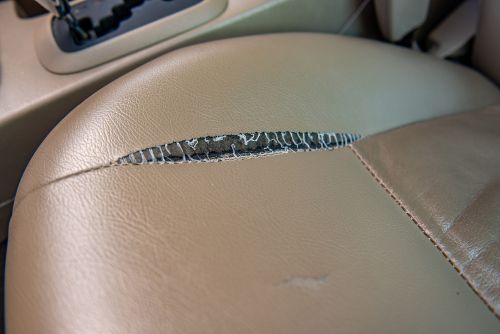
Significant tears, deep cracks, or extensive wear are beyond the scope of DIY repair. These issues often involve damage to the underlying foam or frame of the seat, requiring specialized techniques and materials to fix properly. Attempting to repair these types of damages yourself could lead to a less-than-satisfactory result and potentially worsen the problem.
Professional leather repair technicians employ techniques like patching, filling, and re-dyeing to restore damaged leather. Patching involves bonding a piece of matching leather to the underside of the tear. Filling uses specialized compounds to rebuild cracked or worn areas. Re-dyeing restores the color to faded or damaged sections. These methods require skill, experience, and specialized tools.
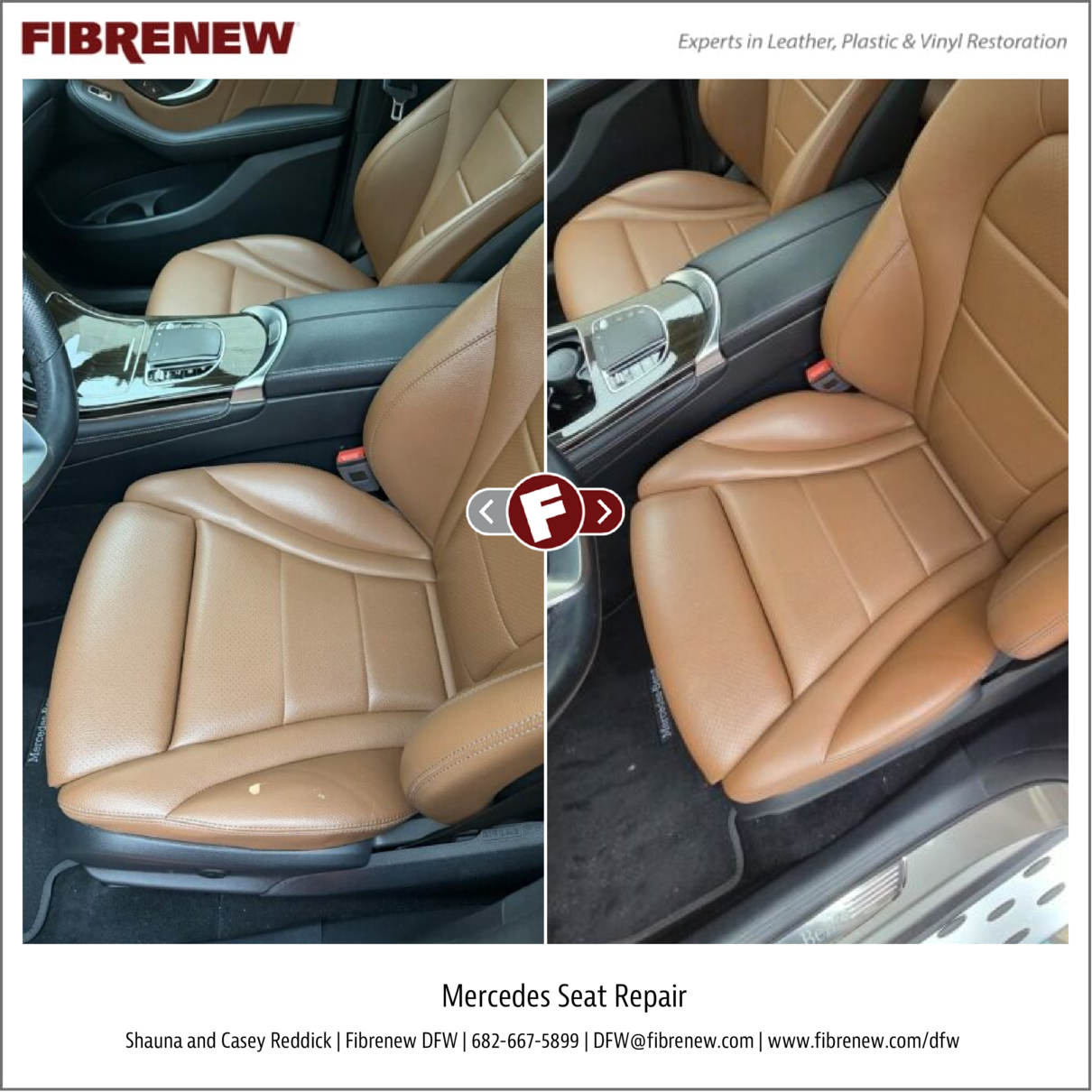
If you aren't comfortable dyeing the seats yourself, look for local shops specializing in automotive upholstery. Check recent reviews for photos of their color-matching work, as matching BMW's specific dye shades is the hardest part of the job.
Professional Repair vs. Seat Replacement
The decision of whether to repair or replace a damaged leather seat often comes down to cost and the extent of the damage. Repair is generally the more sensible option for localized tears, cracks, or fading. It's typically less expensive and preserves the original seat structure and comfort. However, if the damage is widespread or the seat frame is compromised, replacement may be the only viable solution.
Seat replacement can be significantly more expensive than repair, often costing several hundred to over a thousand dollars per seat, depending on the complexity and availability of parts. It’s important to note that seat replacement can sometimes affect the car’s electronic systems, such as seat sensors for airbags or heating/cooling functions, requiring professional installation to ensure everything works correctly.
Before committing to seat replacement, get a detailed quote from a qualified repair shop. A skilled technician may be able to restore your seats to near-original condition for a fraction of the cost of replacement. Carefully weigh the pros and cons of each option before making a final decision.
Preventative Measures: Keeping Your iX Leather Pristine
The best way to avoid costly leather repairs is to take preventative measures. Regular cleaning and conditioning, as described earlier, are essential. Aim to clean your leather seats every few months and condition them at least twice a year. This will help to keep the leather hydrated and protected from the elements.
Consider using a UV protectant spray, especially if your iX is frequently parked outdoors. UV rays can cause significant damage to leather over time, leading to cracking and fading. Seat covers can also provide a valuable layer of protection, particularly if you have children or pets. Choose covers made from breathable materials to avoid trapping moisture.
Parking in shaded areas or using a car cover can also help to minimize UV exposure. Be mindful of sharp objects that could puncture or scratch the leather. Simple precautions like avoiding placing keys or other items directly on the seats can make a big difference in preserving your iX’s luxurious interior.
No comments yet. Be the first to share your thoughts!