

The Rise of 'Smart' Dent Repair: Beyond Traditional Bodywork
For decades, a dent meant a trip to the body shop, and a potentially lengthy repair process involving body filler, sanding, and repainting. Those days are changing. We’re now seeing the emergence of "smart’ dent repair, a more targeted and minimally invasive approach to fixing cosmetic damage. This isn"t just about convenience; it's a necessity driven by the way cars are built today.
Modern vehicles utilize advanced materials like high-strength steel, aluminum alloys, and even carbon fiber composites. These materials, while lighter and stronger, react differently to traditional repair methods. The integration of sensors and electronic components within the body panels adds another layer of complexity. A simple hammer and dolly can easily cause more harm than good if not used with extreme care and understanding.
The demand for quicker, more affordable repairs is also fueling this shift. Customers want to get back on the road as quickly as possible, and insurance companies are looking for cost-effective solutions. "Smart’ repair aims to address both of these needs by focusing on restoring the original panel structure without extensive disassembly or replacement. It’s a move away from the ‘replace first, repair second" mentality of the past.
Paintless Dent Removal (PDR) Gets an Upgrade: AI-Powered Analysis
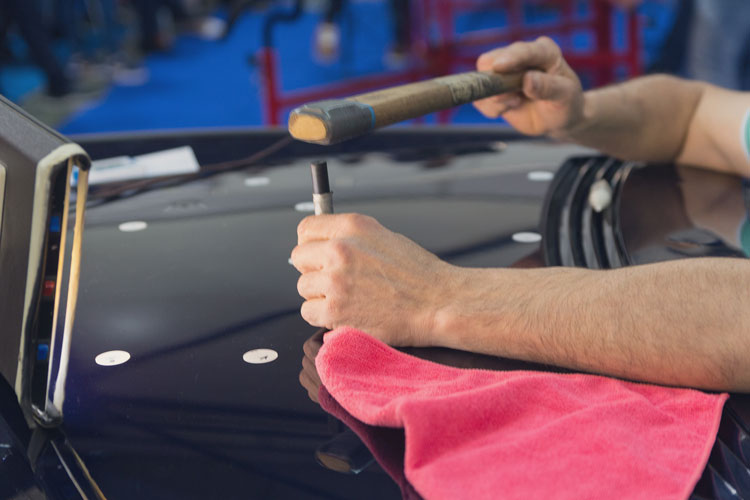
Paintless Dent Removal, or PDR, has been around for a while—it’s the art of massaging dents out from the backside of a panel using specialized tools. It’s a fantastic technique when applicable, but it requires a highly skilled technician who can "read" the metal and understand how the dent has deformed the material. However, PDR isn't a universal solution; more complex dents or those with sharp creases can be difficult, if not impossible, to repair using traditional methods.
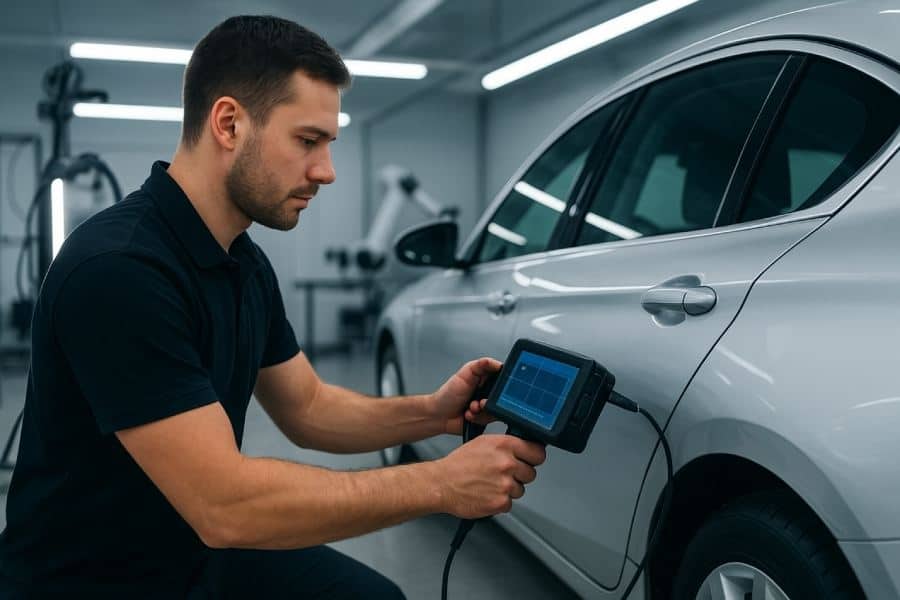
This is where Artificial Intelligence comes into play. We’re seeing the development of AI-powered systems that can analyze dent patterns with incredible precision. These systems use 3D scanning technology to create a detailed map of the damage, identifying stress points and material thickness variations. The AI then suggests the optimal repair strategy, guiding the technician on where to apply pressure and how much force to use.
I’m somewhat skeptical about the extent to which these systems are truly "AI" versus sophisticated algorithms. I'm not sure if these systems are truly AI or just better math, but the results are more consistent than a human eye alone. It’s about augmenting the technician’s abilities, not replacing them.
Tools of the Trade: What Does a 2026 Smart Repair Kit Look Like?
The toolbox of a "smart’ dent repair technician in 2026 looks a lot different than it did even five years ago. While traditional PDR tools are still essential, they"re now complemented by a range of high-tech equipment. 3D scanners are now common, allowing technicians to precisely map the extent of the damage and create a digital representation of the panel.
Robotic arms are beginning to appear in some shops, offering controlled and consistent pressure application for larger or more complex dents. These arms can be programmed with different repair sequences, ensuring accuracy and minimizing the risk of over-correction. Infrared heating systems are used to restore the plasticity of plastics, making them easier to manipulate during repair. Advanced glue-pulling systems, using specialized adhesives and lifting tabs, provide another option for removing dents without damaging the paint.
Software handles the backend. Diagnostic programs check sensor data to make sure the car still 'sees' the road correctly. We also use UV lights to cure adhesives quickly. All of these tools are integrated through software platforms that manage the entire repair process, from initial assessment to final quality control. The UniFlip catalog details a range of electro magnetic dent removal systems available today.
- 3D Scanners: For precise dent mapping.
- Robotic Arms: Controlled pressure application.
- Infrared Heating: Plastic repair.
- Glue-Pulling Systems: Adhesive-based dent removal.
- Specialized Lighting: Visual inspection and adhesive curing.
Are you looking for the best service for #SmartDentRepair in #Burnham? Then visit DENT UK LIMITED. Their expert technicians provide a full range of services, including professional dent removal and high-quality smart dent repair. Visit- https://t.co/VKyE1LXLOH pic.twitter.com/yuHOV2WiHL
— Amy Adams (@AAdams67976) March 22, 2026
Material Matters: Repairing Aluminum, Composites, and High-Strength Steel
Repairing different car materials isn’t a one-size-fits-all process. Aluminum, for example, is more malleable than steel, meaning it can stretch and deform more easily. This requires different techniques and tools to restore its original shape. High-strength steel, on the other hand, is much harder and more brittle, making it prone to cracking if not handled carefully.
Carbon fiber composites present a unique set of challenges. These materials are incredibly strong and lightweight, but they’re also very sensitive to impact damage. Improper repair can compromise the structural integrity of the panel, potentially leading to catastrophic failure. Specialized adhesives and repair techniques are essential for working with carbon fiber.
The risks of improper repair are significant. Weakening the structure can compromise safety, while corrosion can develop if the protective coating is damaged. New adhesive technologies are constantly being developed to address these challenges, offering improved bonding strength and durability. Knowing how the material will respond to repair is where the real 'smart' aspect comes into play.
Beyond the Dent: Sensor Calibration and Vehicle Systems Integration
Dent repair isn’t just about fixing the cosmetic damage anymore. Modern vehicles are packed with sensors that are integrated into the body panels, supporting features like blind-spot monitoring, lane departure warning, and automatic emergency braking. Even a seemingly minor dent can disrupt the alignment of these sensors, leading to inaccurate readings and potentially dangerous situations.
After a dent repair, it’s often necessary to recalibrate these sensors to ensure they’re functioning correctly. This requires specialized diagnostic tools and training. The process can be complex and time-consuming, and it’s crucial to follow the manufacturer’s procedures precisely. Diagnostic scanning is also essential to identify any related issues that may have been triggered by the repair.
A seemingly simple dent can trigger a cascade of problems if sensors aren’t properly aligned. Ignoring this step can result in false alarms, system malfunctions, or even complete failure of the advanced driver-assistance systems (ADAS). If you skip the calibration, the car's safety tech is useless.
Finding a Qualified Smart Dent Repair Shop: What to Look For
With the rise of "smart" dent repair, it's important to find a shop that has the necessary expertise and equipment. Look for technicians who hold industry certifications, such as I-CAR or ASE certifications. These certifications demonstrate a commitment to ongoing training and professional development.
Don’t hesitate to ask about the specific equipment the shop uses and the training their technicians have received. A reputable shop will be happy to answer your questions and explain the repair process in detail. Reading online reviews can also provide valuable insights into the shop’s reputation and customer service.
Get multiple quotes from different shops before making a decision. Be sure to understand what’s included in each quote and ask about any potential hidden fees. A good shop will provide a clear and transparent estimate, outlining the scope of work and the expected cost. Don't be afraid to ask questions—you're paying for a service, and you deserve to understand what you're getting.
Content is being updated. Check back soon.
Mobile Dent Repair: Convenience at a Cost?
ce of having your dents repaired at your home or office. This can be a great option for minor dents and dings, but it’s important to be aware of the potential drawbacks. Yelp shows a wide variety of mobile dent repair options available.
One concern is quality control. Mobile setups often have limited space and equipment, which can make it difficult to perform complex repairs to the same standard as a traditional shop. Another issue is the lack of a controlled environment. Factors like temperature and lighting can affect the quality of the repair.
While mobile repair can be more affordable, it’s not always the case. Some mobile technicians may charge a premium for the convenience factor. It’s essential to do your research and choose a reputable provider with a proven track record. Be sure to ask about their experience, certifications, and warranty policies.
The Future of Dent Repair: AI, Robotics, and Self-Healing Materials
Looking ahead, the future of dent repair is likely to be even more automated and sophisticated. We can expect to see more advanced AI-powered diagnostics, capable of identifying even the most subtle damage. Fully automated repair robots could become commonplace, performing repairs with speed and precision.
The most intriguing possibility is the development of self-healing materials. Imagine a car paint that can automatically repair minor scratches and dents, eliminating the need for traditional repair methods. While this technology is still in its early stages, it has the potential to revolutionize the auto body industry.
The role of the technician will evolve from hands-on repair to overseeing the automated processes and ensuring quality control. It's a bit of a crystal ball exercise, but it’s clear that AI and robotics will play an increasingly important role in the future of dent repair.
No comments yet. Be the first to share your thoughts!