

the 2026 weather baseline
Weather patterns have shifted enough that the old maintenance schedules don't work. By 2026, we're seeing cars fail in ways they didn't ten years ago because of heat and flooding. I've noticed that standard service intervals for things like coolant and tire checks are now too slow to catch the damage caused by these spikes.
The National Oceanic and Atmospheric Administration (NOAA) has been tracking an increase in billion-dollar weather and climate disasters. Their data shows a clear upward trend in events like hurricanes, wildfires, floods, and severe storms. This translates to more risk for vehicles, and a need for a more proactive approach to car care. Ignoring this shift can lead to costly repairs and decreased vehicle lifespan.
What does this new baseline mean for you? It means checking your tire pressure more often, being aware of the limitations of your car’s fluids in extreme temperatures, and understanding that preventative maintenance is more important than ever. It’s about shifting from reactive repairs to a preventative mindset. A small investment in preparation can save you a lot of money – and headaches – down the road. We're seeing a change, and it’s time to change with it.
flood damage is more than a dead engine
Flood damage is often thought of as a catastrophic engine failure, and while that’s a very real possibility, the dangers extend far beyond that. Water can wreak havoc on a vehicle’s electrical system, causing short circuits, corrosion, and long-term malfunctions. The National Weather Service emphasizes the dangers of driving through floodwaters, but even if a car seems okay after exposure, hidden problems can emerge weeks or months later.
The cabin isn’t safe either. Floodwater often contains contaminants like sewage, bacteria, and mold spores. These can seep into the upholstery, carpets, and ventilation system, creating a health hazard and leading to persistent odors. This not only impacts comfort but also significantly devalues the vehicle. It’s a problem that’s hard – and expensive – to fully remediate.
According to vehicle safety information from weather.gov, attempting to start a vehicle that has been flooded is incredibly risky. You could cause further damage to the engine and electrical system. If your car has been submerged, have it thoroughly inspected by a qualified mechanic before attempting to start it. Don’t underestimate the long-term effects of flood damage – it's often a hidden threat that can linger for years.
- Water shorts out the electrical system and starts corrosion in hidden connectors.
- Mold and bacteria grow in the upholstery and carpets after the cabin gets wet.
- Long-Term Value Loss: Significant decrease in resale value.
how heat waves kill rubber
Extreme heat isn't just uncomfortable for you; it's hard on your car, too. Tires are particularly vulnerable. As temperatures rise, tire pressure increases, raising the risk of a blowout. Conversely, underinflated tires generate more heat, exacerbating the problem. It's a vicious cycle. The rubber itself can also degrade more quickly in intense heat, shortening the tire’s lifespan.
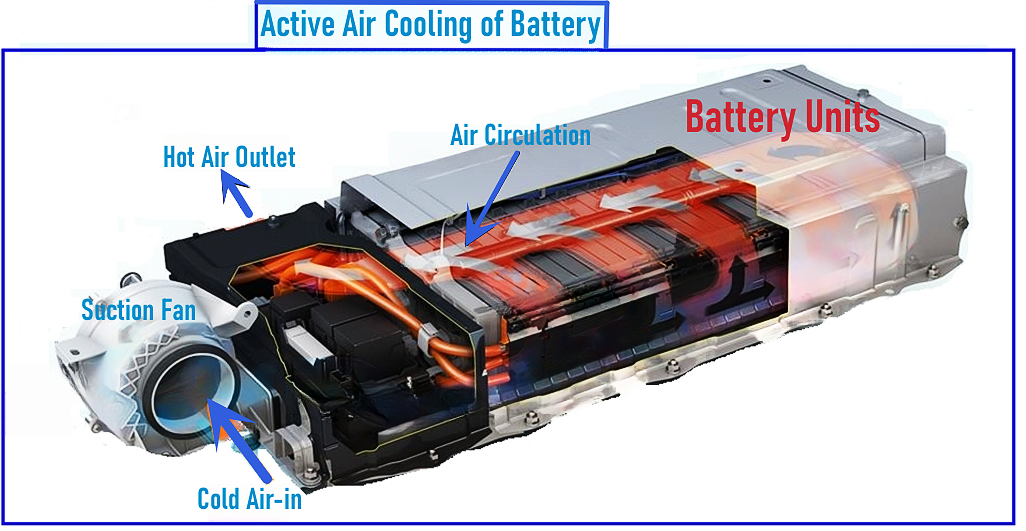
Your car’s battery suffers in the heat as well. High temperatures accelerate the rate of self-discharge, potentially leaving you stranded. Cooling systems are also stressed, as they work harder to regulate engine temperature. Finally, asphalt can become soft and sticky in extreme heat, causing tires to grip and potentially tear.
Check your tire pressure every time the temperature jumps more than 15 degrees. If you can't park in the shade, use a windshield sunshade to keep the cabin electronics from baking. Most cars since 2008 have TPMS, but don't trust the dashboard light alone; use a manual gauge to be sure.
winter maintenance beyond snow
Winter weather presents a multitude of challenges for vehicles, and it’s about much more than just dealing with snow. Freezing rain and black ice create treacherous driving conditions, while extreme cold impacts battery performance, fluid viscosity, and tire pressure. The National Highway Traffic Safety Administration (NHTSA) offers comprehensive winter weather driving tips, but understanding the why behind those tips is equally important.
All-season tires simply aren’t designed to provide optimal grip in snowy or icy conditions. Winter tires, with their specialized tread patterns and rubber compounds, offer significantly better traction and braking performance. Using the right tires can dramatically improve your safety in winter. Don’t overlook your windshield washer fluid either. Using a fluid that isn't rated for sub-freezing temperatures can cause it to freeze and damage the system.
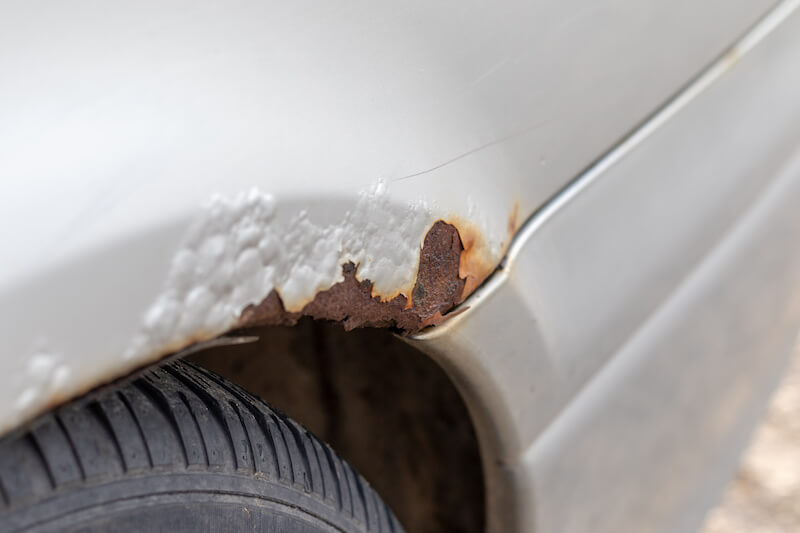
Road salt, while effective at melting ice, is incredibly corrosive. It attacks the undercarriage of your vehicle, leading to rust and corrosion. Regularly washing the undercarriage during winter months is essential for mitigating this damage. Consider applying a rustproofing treatment for added protection. Ignoring this can lead to expensive structural repairs down the line.
- Winter Tires: Provide superior traction in snow and ice.
- Windshield Washer Fluid: Use a formula rated for sub-freezing temperatures.
- Wash the undercarriage weekly to get rid of road salt before it eats the frame.
Winter Tire vs. All-Season Tire: A Decision Matrix for Changing Climates
| Traction (Snow/Ice) | Dry Pavement Handling | Initial Cost | Typical Lifespan |
|---|---|---|---|
| Excellent | Fair | Higher | 3-5 years |
| Good | Good | Moderate | 4-6 years |
| Winter Tire | All-Season Tire | Comparison | Expectation |
| Specialized rubber compounds and tread patterns maximize grip. | Designed for a balance of conditions; performance compromised in severe snow. | Generally more expensive upfront. | Dependent on driving conditions and tire maintenance. |
| Reduced stopping distances on snow and ice. | Acceptable performance in light snow; may struggle in heavy accumulation. | Can wear quickly with warm-weather use. | Regular rotation and proper inflation extend lifespan. |
| Optimal for regions with consistently cold winters and significant snowfall. | Suitable for areas with mild winters and occasional snow. | Cost can vary based on tire size and brand. | Lifespan is affected by climate and driving habits. |
Illustrative comparison based on the article research brief. Verify current pricing, limits, and product details in the official docs before relying on it.
Hailstorms and Paint Protection
Hailstorms can inflict significant damage on a vehicle’s exterior, ranging from minor dents to shattered glass. Even small hail can chip away at paint, exposing the metal underneath and leading to rust. The increasing frequency of severe hailstorms in many regions makes this a growing concern for vehicle owners.
There are several levels of paint protection available, each offering varying degrees of effectiveness. A simple wax provides a basic layer of protection, while a sealant offers longer-lasting durability. Ceramic coatings provide a more robust shield against minor impacts, and paint protection film (PPF) offers the most comprehensive protection, but it’s also the most expensive option.
Insurance typically covers hail damage, but deductibles can still be substantial. It’s worth checking your policy to understand your coverage limits. While no paint protection is foolproof against larger hail, investing in a quality coating or film can significantly reduce the severity of the damage and potentially save you money on repairs.
Preventative Maintenance: Your First Line of Defense
The most effective way to protect your vehicle from extreme weather damage is through consistent preventative maintenance. Regularly checking fluid levels (oil, coolant, brake fluid, windshield washer fluid), tire condition (pressure, tread depth), and battery health can identify potential problems before they escalate. Don't wait for a warning light to come on – be proactive.
A pre-season inspection is a smart investment. Before winter, have a mechanic check your battery, antifreeze levels, tires, and brakes. Before summer, inspect your cooling system, air conditioning, and tires. Adapting to changing weather patterns requires a more diligent approach to car care than in the past.
Keeping a car emergency kit in your vehicle is also essential. Include items like a first-aid kit, jumper cables, a flashlight, blankets, water, and snacks. Being prepared for unexpected situations can make a significant difference in your safety and peace of mind. It’s about being ready for whatever the weather throws your way.


No comments yet. Be the first to share your thoughts!