

Battery health in 2026
By 2026, lithium-ion batteries still power most EVs, usually through Nickel Manganese Cobalt (NMC) or Nickel Cobalt Aluminum Oxide (NCA) chemistries. LFP (Lithium Iron Phosphate) batteries are now common in standard models because they last longer and handle heat better. Every battery loses capacity over time; that's just how the chemistry works.
Battery degradation isn’t necessarily a bad thing; it’s more accurate to think of it as a gradual reduction in maximum capacity. How quickly that happens, though, is where things get interesting. Factors like your charging habits, the climate you live in, and how you drive all play a role. Extreme temperatures, both hot and cold, accelerate degradation. Similarly, consistently charging to 100% and frequently using DC fast charging can shorten the battery’s lifespan.
The goal isn’t to stop degradation entirely, that’s unrealistic. Instead, we're aiming to minimize accelerated degradation. Manufacturers typically warranty batteries to retain 70-80% of their original capacity after a certain mileage or time period – usually eight years or 100,000 miles, whichever comes first. Understanding your battery’s chemistry and typical usage patterns is the first step towards maximizing its longevity. A lot of the advancements in 2026 are focused on better Battery Management Systems to mitigate these effects.
How thermal management works
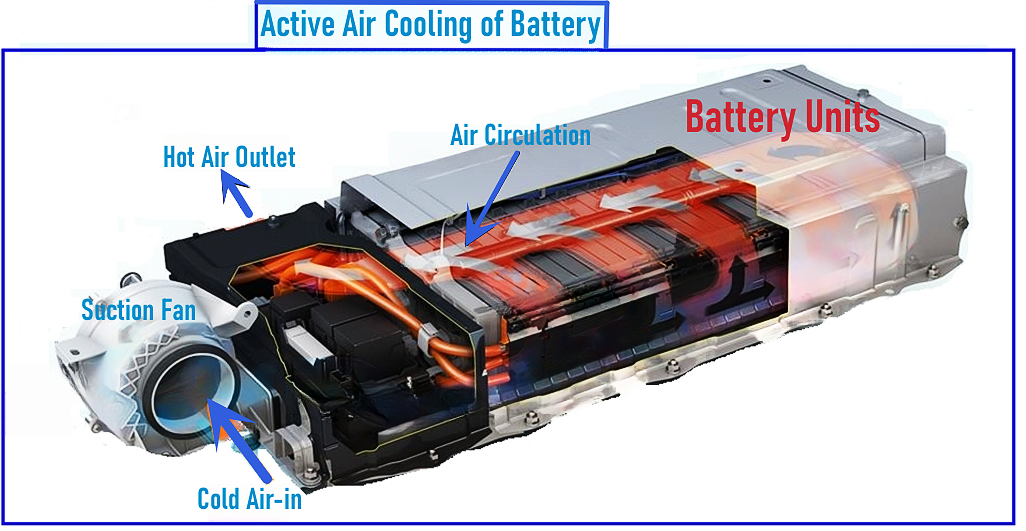
A well-functioning thermal management system is absolutely essential for EV battery health. These systems regulate the battery’s temperature, keeping it within its ideal operating range. Batteries perform best – and last longest – when they’re not too hot and not too cold. There are a few main approaches to thermal management: air cooling, liquid cooling, and more advanced systems utilizing heat pumps.
Liquid cooling, where a coolant circulates around the battery pack, is the most common and effective method. It provides more consistent temperature control than air cooling, which relies on fans and airflow. Heat pumps, becoming increasingly prevalent, can both heat and cool the battery, improving efficiency, especially in colder climates. Tesla, for example, has been a long-time proponent of sophisticated liquid cooling and heat pump systems.
Overheating can lead to accelerated degradation and even safety risks. Extreme cold, on the other hand, reduces battery capacity and charging speed. Many EVs now offer battery pre-conditioning, allowing you to warm up the battery before fast charging in cold weather, which improves charging performance and reduces stress on the battery. The sophistication of these systems varies between manufacturers, and some are demonstrably better at maintaining optimal temperatures than others.
Software and optimization
Modern EVs rely heavily on software to manage battery performance and longevity. Manufacturers regularly push out over-the-air (OTA) updates that can improve battery management algorithms, optimize charging strategies, and even enhance overall range. These updates are a crucial part of maintaining your EV’s health.
These software improvements aren’t just about adding new features; they can directly impact battery lifespan. Updates can refine how the BMS operates, improving temperature control and reducing degradation. Tesla, for instance, has released updates specifically aimed at improving battery thermal management and extending range. It's not uncommon to see a slight range increase after a software update.
Keeping your vehicle’s software up to date is, therefore, essential. Most EVs will automatically download and install updates when connected to Wi-Fi. Checking for updates regularly and installing them promptly ensures your battery is benefiting from the latest optimizations. While specific examples of updates directly addressing degradation are often proprietary, the overall trend is towards continuous improvement.
Recognizing Early Warning Signs
Being aware of potential warning signs is crucial for identifying battery issues early on. A noticeable reduction in range is often the first indicator of battery degradation. If you’re consistently getting fewer miles on a full charge than you used to, it’s worth investigating. Increased charging times can also be a sign that the battery is losing capacity.
Unusual temperature fluctuations – the battery getting excessively hot or cold – should also raise a flag. Most EVs display battery health information on the dashboard or through a mobile app. Pay attention to these reports and track any changes over time. A gradual decline in range is normal, but sudden or significant drops should be addressed.
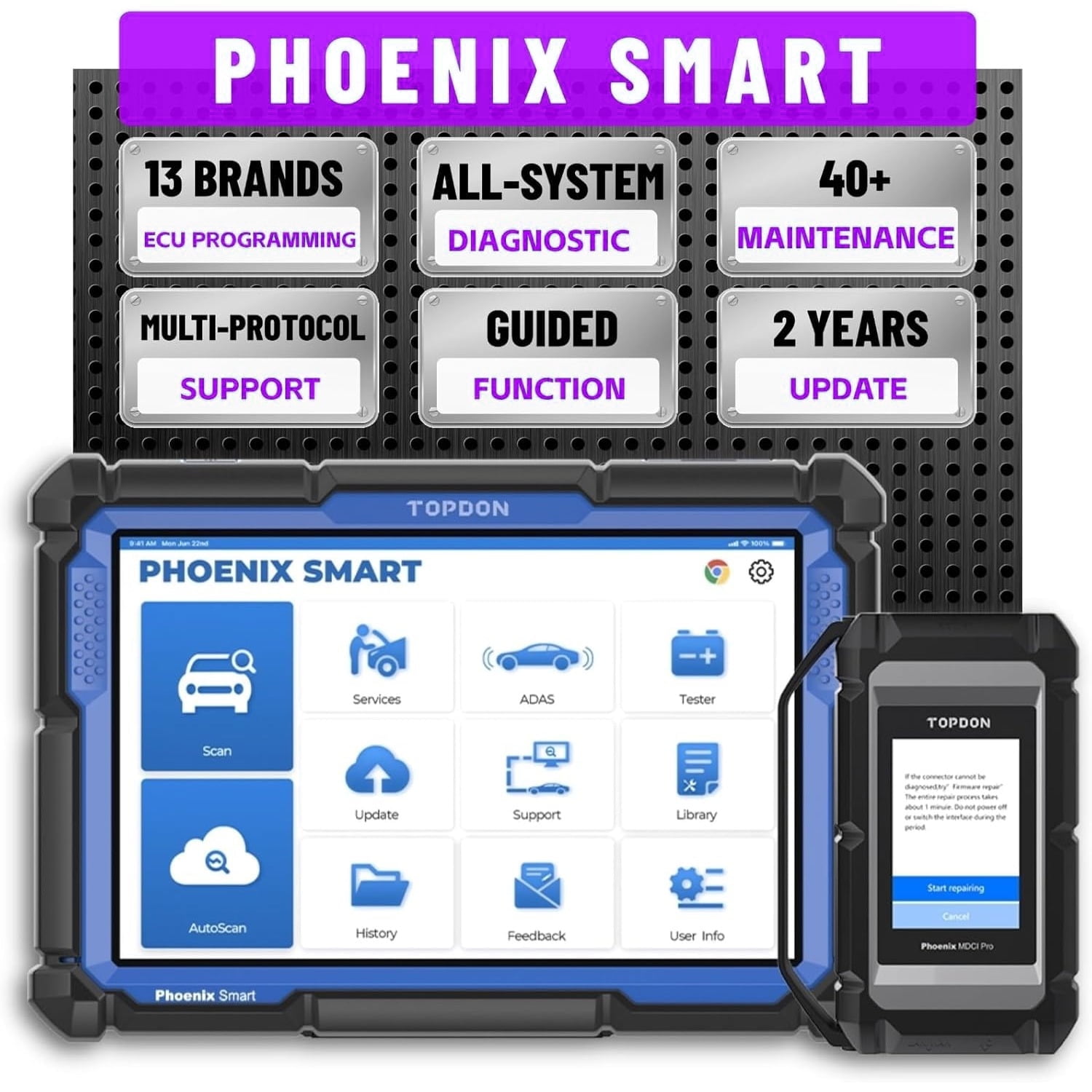
If you notice any of these warning signs, it’s best to have a professional diagnostic check performed. A qualified technician can assess the battery’s health and identify any underlying issues. Early detection can often prevent more serious problems down the road and potentially save you money on repairs.
Professional Battery Service: What to Expect
While EV batteries are designed to be relatively maintenance-free, professional service is sometimes necessary. Common services include battery health checks, which assess the battery’s overall condition and remaining capacity. Cell balancing is another service that can improve battery performance by ensuring all cells are charged and discharged evenly. In some cases, individual modules may need to be replaced.
The cost of these services can vary significantly depending on the vehicle and the extent of the work required. Battery health checks typically range from $100 to $300, while cell balancing can cost several hundred dollars. Module replacements can be considerably more expensive, potentially running into the thousands of dollars. It’s important to get quotes from multiple shops before committing to any work.
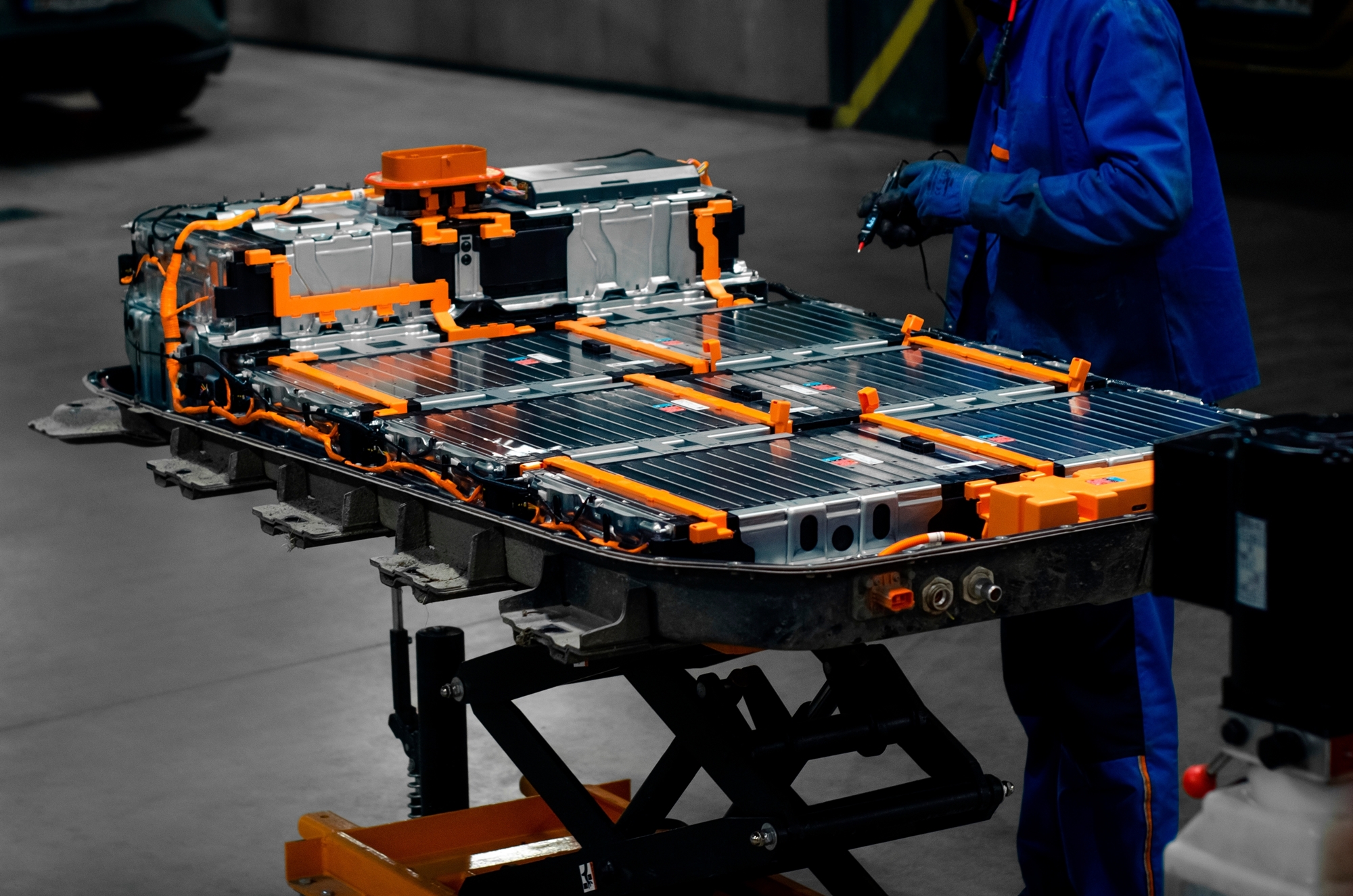
EV battery repair presents unique safety challenges due to the high voltages involved. It’s crucial to use qualified technicians who have specialized training and equipment. The Cromax YouTube video, 'Electric Vehicles In The Bodyshop,' highlights some of these challenges and the importance of proper safety protocols for bodyshops working on EVs. Emerging battery refurbishment options, like re-cellling, are also starting to appear, but are not yet widely available.
There's a growing focus on technician training related to high-voltage systems. Proper handling of these batteries is paramount for safety and effective repair.
Battery Recycling and Second Life Applications
As EV batteries reach the end of their useful life in vehicles, responsible recycling is critical. These batteries contain valuable materials, such as lithium, cobalt, and nickel, that can be recovered and reused. Recycling reduces the environmental impact of battery production and conserves valuable resources. The process involves dismantling the battery pack, separating the different components, and extracting the valuable materials.
Beyond recycling, there’s a growing trend of "second life’ applications for EV batteries. Batteries that no longer meet the demands of vehicle use can still be used for stationary energy storage, such as powering homes or businesses. This extends the battery"s useful life and provides a cost-effective energy storage solution. Companies are actively developing and deploying these second-life battery systems.
Advancements in battery recycling technology are making the process more efficient and cost-effective. New methods are being developed to recover a higher percentage of the valuable materials and reduce waste. A circular economy for EV batteries – where materials are reused and recycled – is essential for the long-term sustainability of electric mobility.


No comments yet. Be the first to share your thoughts!