
The shift from hardware to software
Cars are changing rapidly. We're seeing a massive increase in sensors, a greater reliance on software for everything from engine control to window operation, and a constant stream of data flowing between the vehicle and the outside world. This interconnectedness is intended to make driving safer and more convenient, but it also introduces a whole new level of complexity—and potential points of failure. It’s a bit ironic, isn’t it? More technology should mean more reliability, but it seems to be creating new types of headaches for drivers.
For years, car troubles meant a faulty starter or a worn-out brake pad. Now, a malfunctioning algorithm or a corrupted data stream can leave you stranded. It’s not necessarily that cars are becoming less durable; it’s that the things that can go wrong are becoming more… abstract. This shift requires a different approach to vehicle maintenance and repair, one that emphasizes diagnostics and software expertise.
Digital dependencies are everywhere now. If a government database goes offline for maintenance, you might not even be able to verify a mechanic's license before an appointment. We rely on this infrastructure for the most basic ownership tasks.
Software glitches
Today’s cars are essentially computers on wheels. Software controls almost every aspect of the driving experience, from the engine and transmission to the infotainment system and climate control. This reliance on software introduces a new set of potential problems: software glitches. These can range from minor annoyances, like an infotainment system freeze, to serious safety concerns, like a malfunction in the anti-lock braking system.
Common software glitches include navigation errors, unexpected system resets, and issues with advanced driver-assistance systems (ADAS). You might find your navigation system routing you down a closed road, or your car suddenly losing all audio functionality. ADAS malfunctions are particularly worrying, as they can affect features like automatic emergency braking and lane keeping assist. Diagnosing these issues can be extremely difficult, often requiring specialized diagnostic tools and expertise.
Over-the-air (OTA) updates are becoming increasingly common, allowing manufacturers to fix software bugs and add new features remotely. While OTA updates can be incredibly convenient, they also carry a risk. A poorly implemented update can introduce new problems or even brick your car’s systems. It’s a trade-off between convenience and potential instability. It’s also worth noting that sometimes the software is working as intended, but the design itself is flawed, leaving drivers frustrated.
The complexity of automotive software is immense. A single vehicle can contain millions of lines of code. Finding and fixing bugs in such a vast system is a monumental task. This is why software glitches are likely to remain a common car problem for the foreseeable future.
Battery Management Systems: Beyond Just Starting
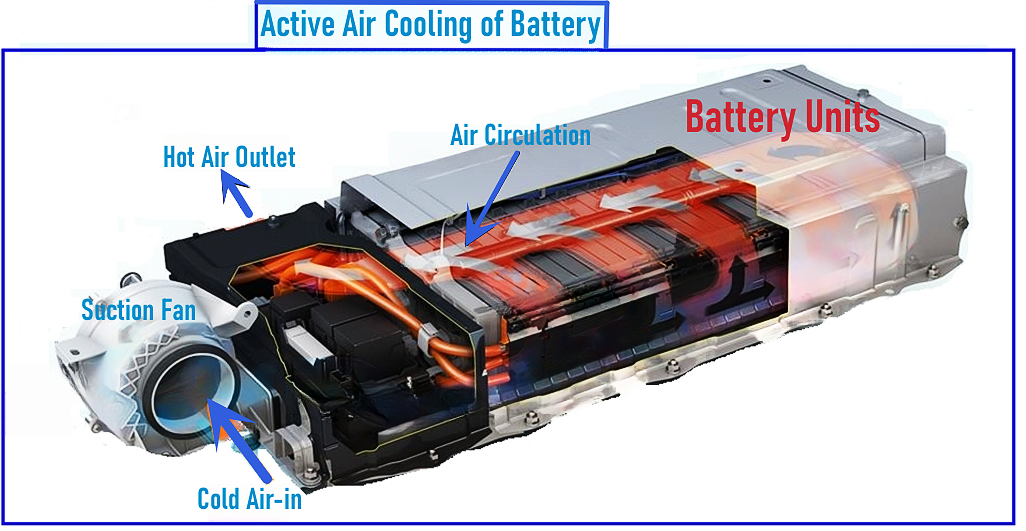
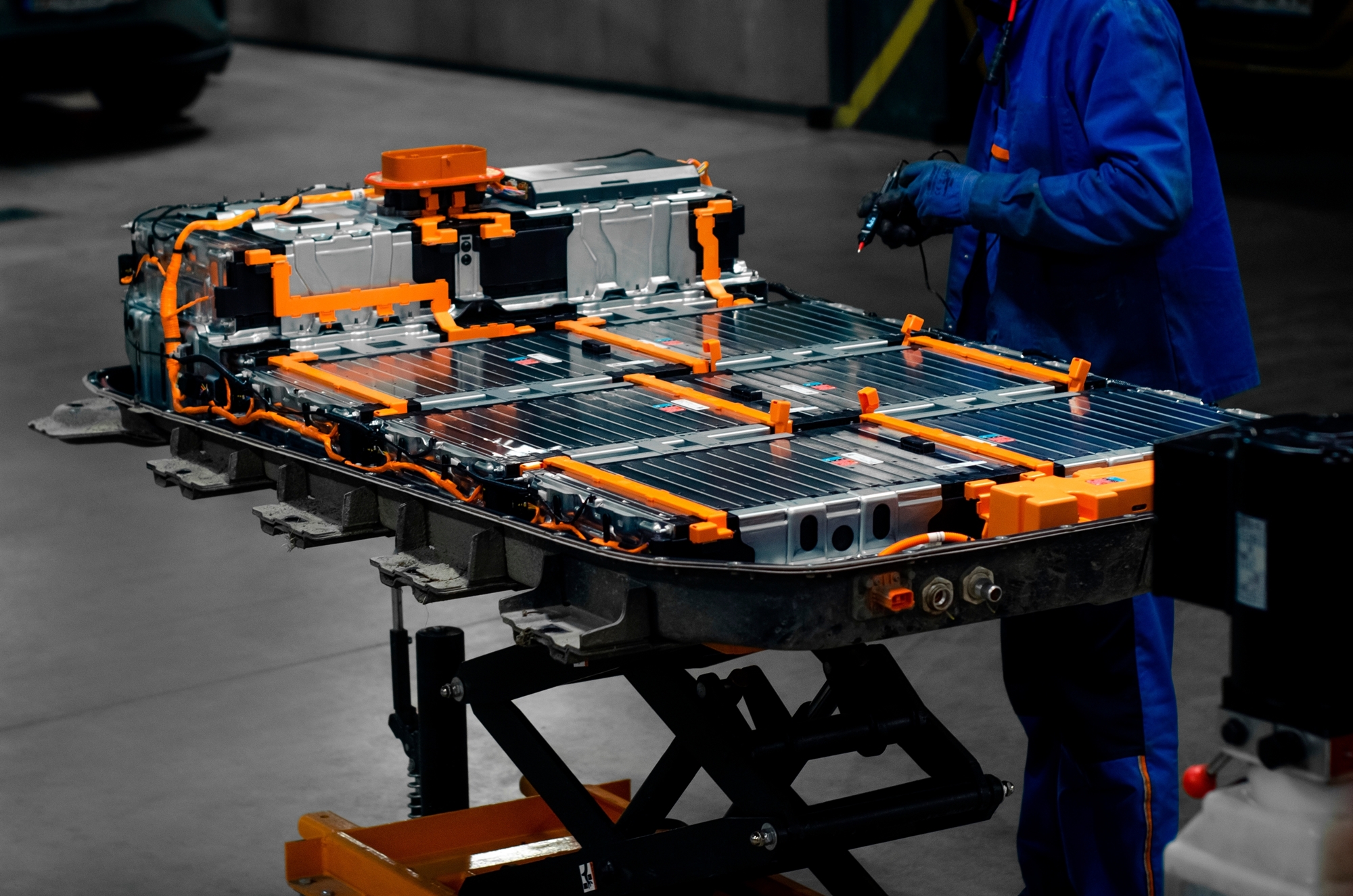
The battery management system (BMS) is the brain behind the battery in hybrid and fully electric vehicles. It’s responsible for monitoring battery health, temperature, and charging/discharging rates. A well-functioning BMS is crucial for maximizing battery life and ensuring safe operation. However, BMS issues are becoming increasingly common, and they can be particularly challenging to diagnose.
Potential problems with BMS include inaccurate state-of-charge readings (showing a full battery when it’s actually low, or vice versa), reduced battery life, overheating, and failures of individual battery cells. These issues can lead to reduced range, diminished performance, and even complete battery failure. A failing BMS might not trigger a traditional warning light, making it difficult to identify the problem early on.
Diagnosing and repairing BMS issues often requires specialized equipment and expertise. Traditional automotive repair shops may not have the necessary tools or training to work on these complex systems. It’s important to find a shop that specializes in hybrid and electric vehicle repair. The cost of BMS repair can also be significant, as battery packs are expensive to replace.
Cybersecurity risks
As cars become more connected, they also become more vulnerable to hacking and data breaches. Modern vehicles collect a vast amount of personal data, including location information, driving habits, and even personal contacts. This data is transmitted wirelessly, creating opportunities for malicious actors to intercept and exploit it.
The consequences of a successful cyberattack can be severe. Hackers could gain unauthorized access to vehicle systems, steal personal data, or even remotely control vehicle functions. Imagine someone remotely unlocking your car, disabling the brakes, or tracking your location. The National Highway Traffic Safety Administration (NHTSA) is actively working to address these security concerns.
Protecting your vehicle from cyberattacks requires robust security measures and regular software updates. Manufacturers are constantly working to improve vehicle security, but it’s an ongoing battle. Drivers can also take steps to protect themselves, such as being cautious about connecting to public Wi-Fi networks and keeping their vehicle’s software up to date.
Diagnostic Tools: What Every Driver Needs
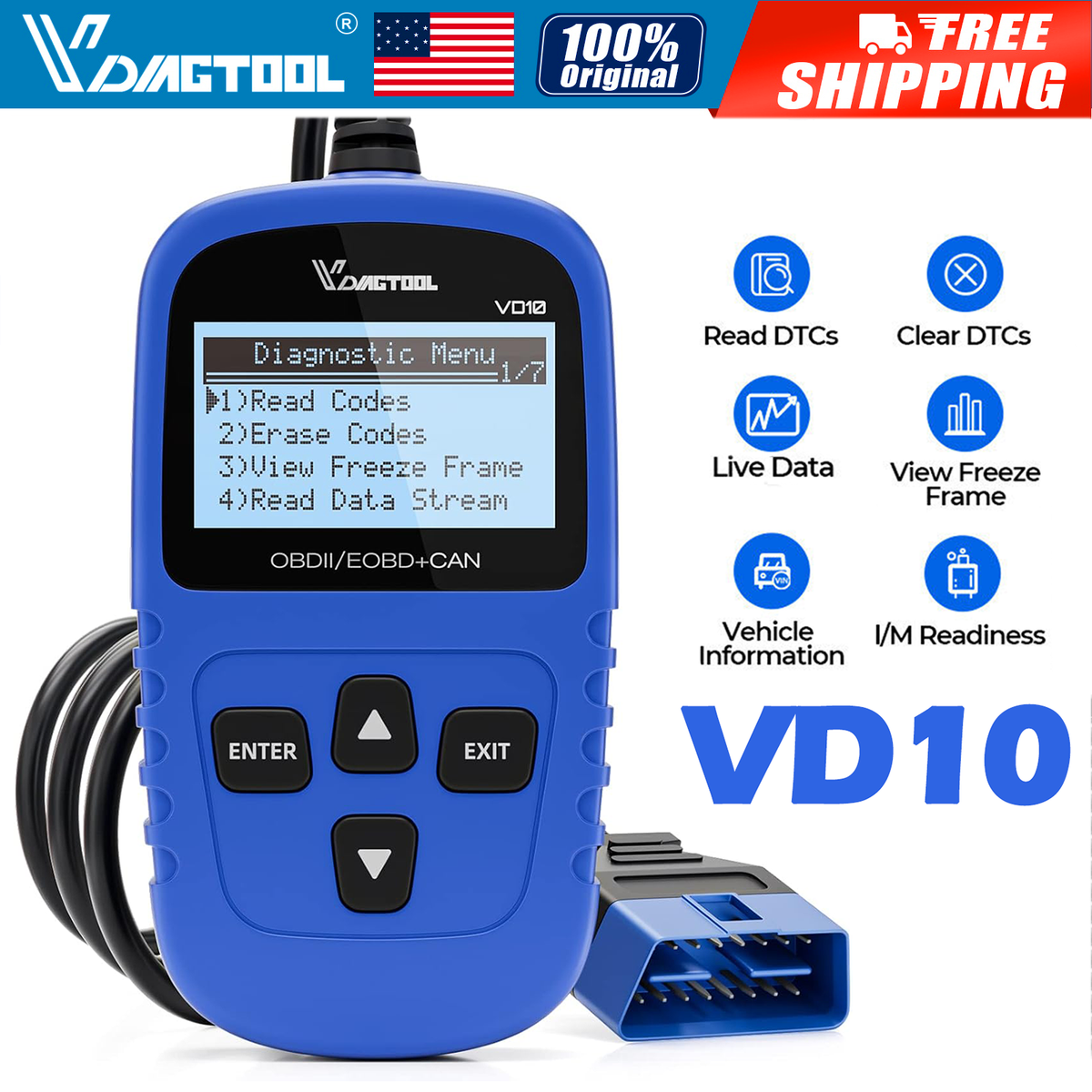
Gone are the days when diagnosing a car problem required a mechanic with years of experience and a toolbox full of specialized equipment. Today, a range of diagnostic tools is available to drivers, from simple OBD-II scanners to advanced scan tools with live data streaming capabilities. Understanding these tools can empower you to identify and address minor issues yourself, saving you time and money.
A basic OBD-II scanner can read diagnostic trouble codes (DTCs) from the vehicle’s engine control unit (ECU). These codes can provide clues about what’s wrong, but they don’t always tell the whole story. More advanced scan tools can access data from multiple vehicle systems, not just the ECU, and can display live data streams, allowing you to monitor sensor readings in real-time. Smartphone-based diagnostic apps are also becoming increasingly popular, offering a convenient and affordable way to read DTCs.
However, it’s important to choose a reliable and accurate tool. Cheap scanners may provide inaccurate readings or miss important codes. Look for scanners from reputable brands and read reviews before making a purchase. Keep in mind that even the most advanced diagnostic tools can’t fix every problem. Sometimes, a professional mechanic is still needed.
Finding a Reputable Repair Shop in 2026
With the increasing complexity of modern vehicles, finding a qualified and trustworthy repair shop is more important than ever. Don’t just take your car to the first shop you find. Do your research and choose a shop that has the expertise and equipment to handle your vehicle’s specific needs.
Look for shops with certified technicians, such as those certified by the National Institute for Automotive Service Excellence (ASE). ASE certification indicates that the technicians have met certain standards of training and experience. Read online reviews to see what other customers have to say about the shop. Get multiple quotes before committing to any repairs.
The California Bureau of Automotive Repair (BAR) is a valuable resource for checking a shop’s license and complaint history. You can file a complaint with the BAR if you have a dispute with a repair shop. Finally, make sure to get a detailed repair estimate in writing before any work is done. This estimate should include a breakdown of all costs, including parts and labor. Clear communication is key to a successful repair experience.
Vehicle Diagnostic Tool Comparison - 2026
| Price Range | Ease of Use | Data Access | Features | Best For |
|---|---|---|---|---|
| Under $100 | Very Easy | Basic Engine Data | Reads and clears basic OBD-II codes (Check Engine Light). May display live engine data like RPM and coolant temperature. | DIYers performing simple diagnostics, verifying repairs, or understanding why a Check Engine Light is on. |
| $100 - $500 | Easy | Expanded Engine & Some System Data | Includes features of basic scanners, plus access to some ABS, airbag, and transmission data. Often features live data streaming and graphing. | Enthusiasts and those performing more in-depth troubleshooting, but not requiring manufacturer-specific data. |
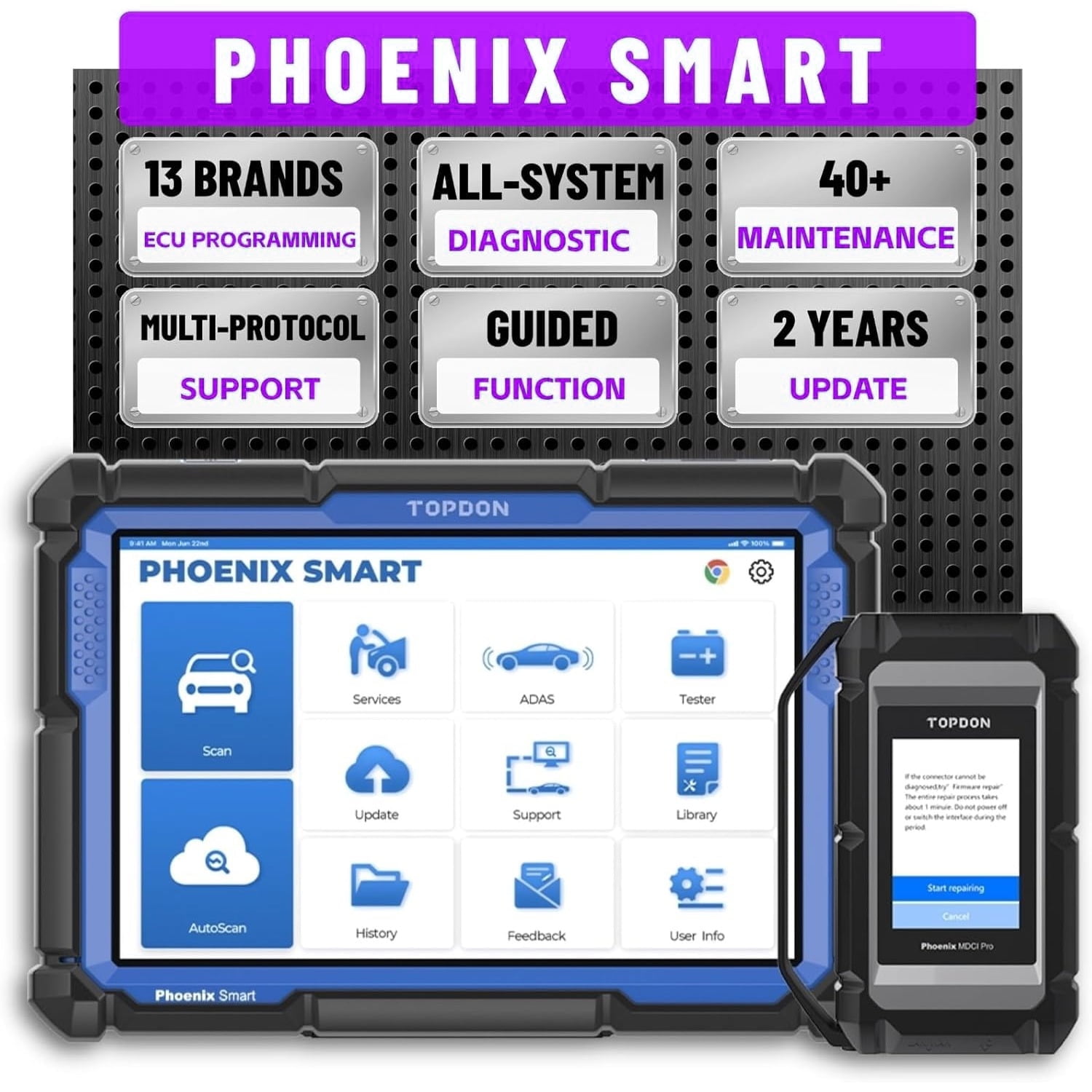
| $500 - $3000+ | Moderate to Difficult | Comprehensive System Data | Full access to all vehicle systems, bi-directional controls (activating components for testing), advanced diagnostics, and often manufacturer-specific data. Requires a steeper learning curve. | Professional mechanics and technicians needing complete diagnostic capabilities and access to all vehicle functions. |
| $0 - $200 (plus adapter cost) | Variable | Limited, Dependent on Adapter | Connects to vehicle via OBD-II port through a Bluetooth or Wi-Fi adapter. Functionality varies greatly depending on the app and adapter quality. Can read and clear codes, display live data. | Casual users wanting basic code reading and data display on their smartphone. Quality and reliability can vary significantly. |
| $200 - $800 (Subscription may apply) | Moderate | Moderate System Data | Combines smartphone app convenience with more robust hardware. Often includes access to repair information databases and guided diagnostics. Some require ongoing subscriptions for full functionality. | DIYers wanting more detailed diagnostics and repair guidance than a basic scanner provides, but without the cost of a professional tool. |
| $800 - $5000+ | Difficult | Extensive System Data & Programming | Professional-grade tools with advanced programming capabilities (module coding, key programming), access to manufacturer databases, and specialized diagnostic functions. Requires significant training. | Specialized repair shops and technicians performing complex repairs and programming tasks. |
Illustrative comparison based on the article research brief. Verify current pricing, limits, and product details in the official docs before relying on it.

No comments yet. Be the first to share your thoughts!