

EV battery health
Many electric vehicle owners are pleasantly surprised by the performance and convenience of their cars. The smooth, quiet ride and instant torque are real benefits. But beyond the initial excitement, a core concern quickly emerges: battery health. Unlike an internal combustion engine that gradually wears with mileage, an EV battery degrades chemically over time, losing its ability to hold a full charge.
This degradation isn't necessarily a cause for panic. According to the Alternative Fuels Data Center (afdc.energy.gov), most EV batteries are expected to last 12-15 years, or around 100,000 to 200,000 miles. However, that’s an estimate, and how you maintain your EV can significantly impact its longevity. It's not about preventing degradation entirely, but about slowing it down and maximizing the lifespan of your investment.
Think of it less like engine repair and more like preventative care for a complex chemical system. Smart charging habits, temperature management, and staying on top of software updates all play a role. This guide covers essential car care tips for EV owners, helping you keep your battery healthy and your electric vehicle running smoothly for years to come.
Temperature's effect on batteries
Extreme temperatures are a major enemy of EV battery health. Heat accelerates the chemical reactions within the battery, leading to faster degradation. Think of it like leaving a phone in direct sunlight – it doesn’t take long for the battery to suffer. Conversely, cold temperatures reduce the battery's capacity and can temporarily limit its power output.
The chemical processes involved are complex, but the effect is clear. High temperatures increase the rate of side reactions that consume lithium ions, reducing the amount of energy the battery can store. Cold temperatures slow down the movement of ions, hindering the battery's ability to deliver power. Modern EVs have sophisticated thermal management systems designed to mitigate these effects.
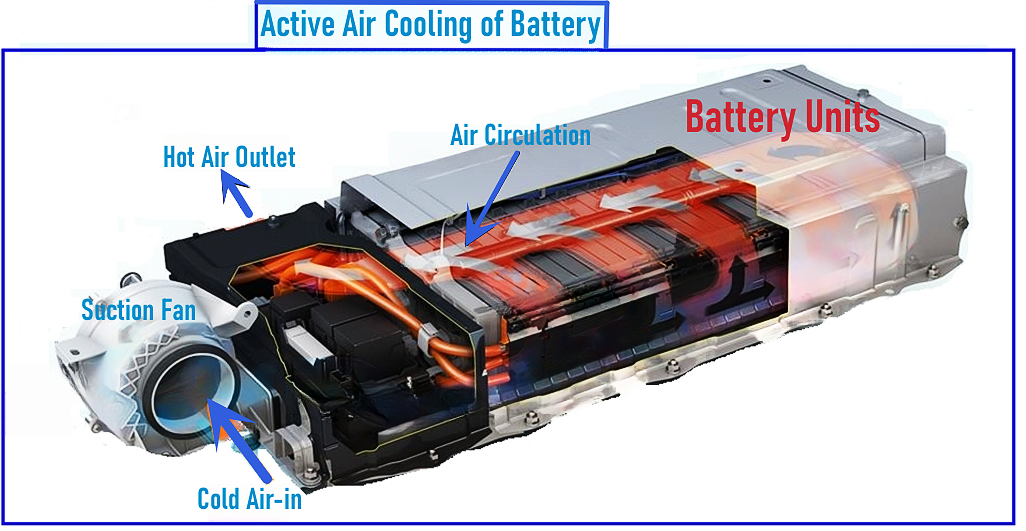
These systems use coolant to regulate the battery temperature, keeping it within an optimal range. Pre-conditioning the battery – heating or cooling it while the car is plugged in – is a valuable feature. This ensures the battery is at the ideal temperature when you start driving, improving performance and reducing stress. Don't worry about charging in extreme weather, but avoid leaving your car plugged in for extended periods in very hot or very cold conditions if possible.
It’s also worth considering where you park. Garages offer protection from the elements, and shaded parking spots can make a difference during hot summer months. While thermal management systems are good, they aren’t perfect, and minimizing temperature extremes is always a good idea.
Smart charging habits
Understanding the different levels of EV charging is crucial for maximizing battery health. Level 1 charging uses a standard 120-volt outlet and is the slowest method, adding only a few miles of range per hour. Level 2 charging, using a 240-volt outlet, is much faster and is the most common choice for home charging. DC fast charging, found at public charging stations, provides the quickest charge but comes with potential drawbacks.
Frequent DC fast charging generates more heat, which, as we’ve discussed, accelerates battery degradation. While convenient for long trips, it shouldn’t be your everyday charging method. Think of it as an occasional necessity, not a routine practice. Level 2 charging at home is the sweet spot, providing a good balance of speed and battery longevity.
There’s also the question of charging to 100%. Many experts recommend limiting regular charging to around 80%. This reduces stress on the battery and helps extend its lifespan. The last 20% takes significantly longer to charge and puts more strain on the cells. Partial charging cycles – charging from 20% to 80% – are generally considered healthier than full cycles.
Sometimes you need that full charge for a long drive, and that’s perfectly fine. But if you can, aim to keep your daily charging within the 20-80% range. It’s a small change that can make a big difference over the life of your battery.
- Level 1: Slowest, uses a standard outlet.
- Level 2: Faster, ideal for home charging.
- DC Fast Charging: Quickest, but can contribute to degradation.
Software updates for battery management
EV manufacturers are constantly refining their battery management systems (BMS) through over-the-air (OTA) software updates. These updates aren’t just about adding new features or fixing bugs; they often include improvements to charging algorithms and thermal management strategies.
A well-optimized BMS can significantly extend battery life by ensuring the battery is charged efficiently and kept within its optimal temperature range. These algorithms are complex, constantly monitoring voltage, current, and temperature to make adjustments in real-time. Updates can fine-tune these algorithms based on real-world data and improve overall performance.
Install these updates promptly when they become available. They aren’t just about convenience; they’re about protecting your investment and maximizing the lifespan of your battery. Don't dismiss those update notifications – they work to keep your EV running its best.
Recognizing battery issues
Like any component, EV batteries degrade over time. Be aware of the early warning signs of a failing battery. These include a noticeable reduction in range, longer charging times, and decreased regenerative braking performance. If you find yourself getting fewer miles on a full charge, or if it's taking longer to reach 100%, it's time to pay attention.
A gradual decline is normal as the battery ages, but a rapid decline could indicate a more serious problem. Regenerative braking, which captures energy during deceleration, is also a good indicator of battery health. If you notice a decrease in regenerative braking efficiency, it could be a sign that the battery is struggling to store and release energy.
Track your car’s range and charging times to establish a baseline. This will help you identify any significant changes. Most EVs have built-in energy consumption monitors that can provide valuable data. If you notice these warning signs, consult with a qualified EV technician. Early diagnosis and intervention can sometimes prevent further damage.
EV Battery Health Indicators
| Symptom | Possible Cause | Severity | Action |
|---|---|---|---|
| Reduced Range | Battery degradation over time, Driving habits (aggressive acceleration/braking), Cold weather conditions | Moderate | Monitor range closely. Adjust driving style. Consider pre-conditioning the battery in cold weather. |
| Longer Charge Times | Decreased battery health, Use of a Level 1 charger, Degradation of charging infrastructure | Moderate | Try a Level 2 or DC fast charger. Have battery health assessed by a qualified technician. |
| Decreased Regenerative Braking | Battery temperature limitations, System malfunction, Reduced battery capacity | Moderate | Consult a service professional to diagnose the issue. Avoid aggressive braking if the issue is temperature related. |
| Increased Battery Temperature | High ambient temperatures, Frequent fast charging, Heavy load on the battery (e.g., towing) | Major | Reduce charging frequency, park in shaded areas, and avoid strenuous use. Seek professional inspection immediately. |
| Frequent Error Messages (related to battery) | Cell imbalance, Cooling system malfunction, Battery Management System (BMS) issue | Major | Do not operate the vehicle. Have it towed to a qualified EV repair facility for diagnosis and repair. |
| Unusual Swelling or Deformation of Battery Pack | Thermal runaway beginning, Internal cell damage, Manufacturing defect | Major | Immediately stop using the vehicle and contact emergency services. This is a serious safety hazard. |
| Noticeable Decrease in Overall Performance | Combination of factors including battery degradation, software issues, and component wear | Moderate | Schedule a comprehensive diagnostic check at an authorized service center. |
Illustrative comparison based on the article research brief. Verify current pricing, limits, and product details in the official docs before relying on it.
Body shop considerations for EVs
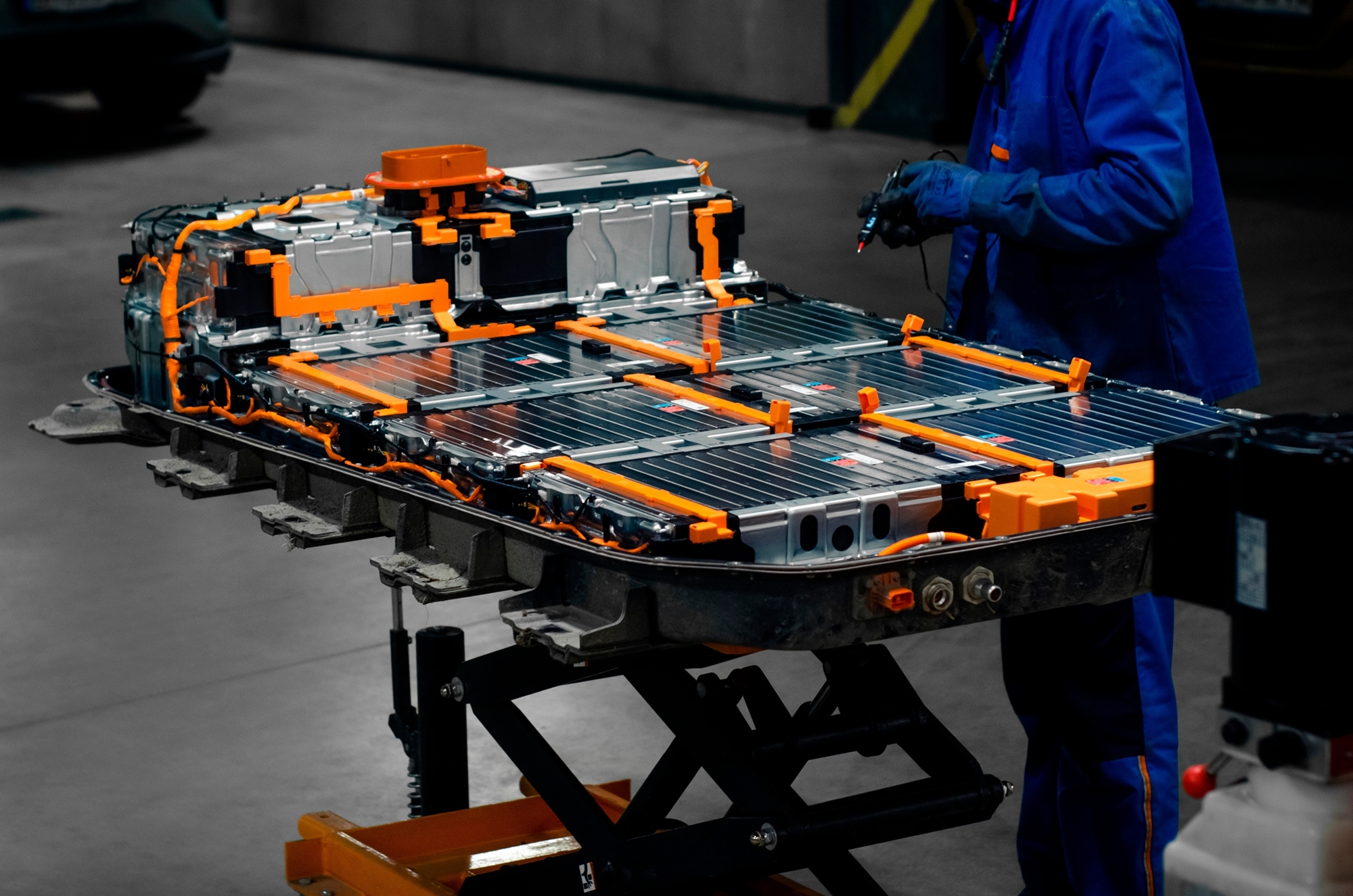
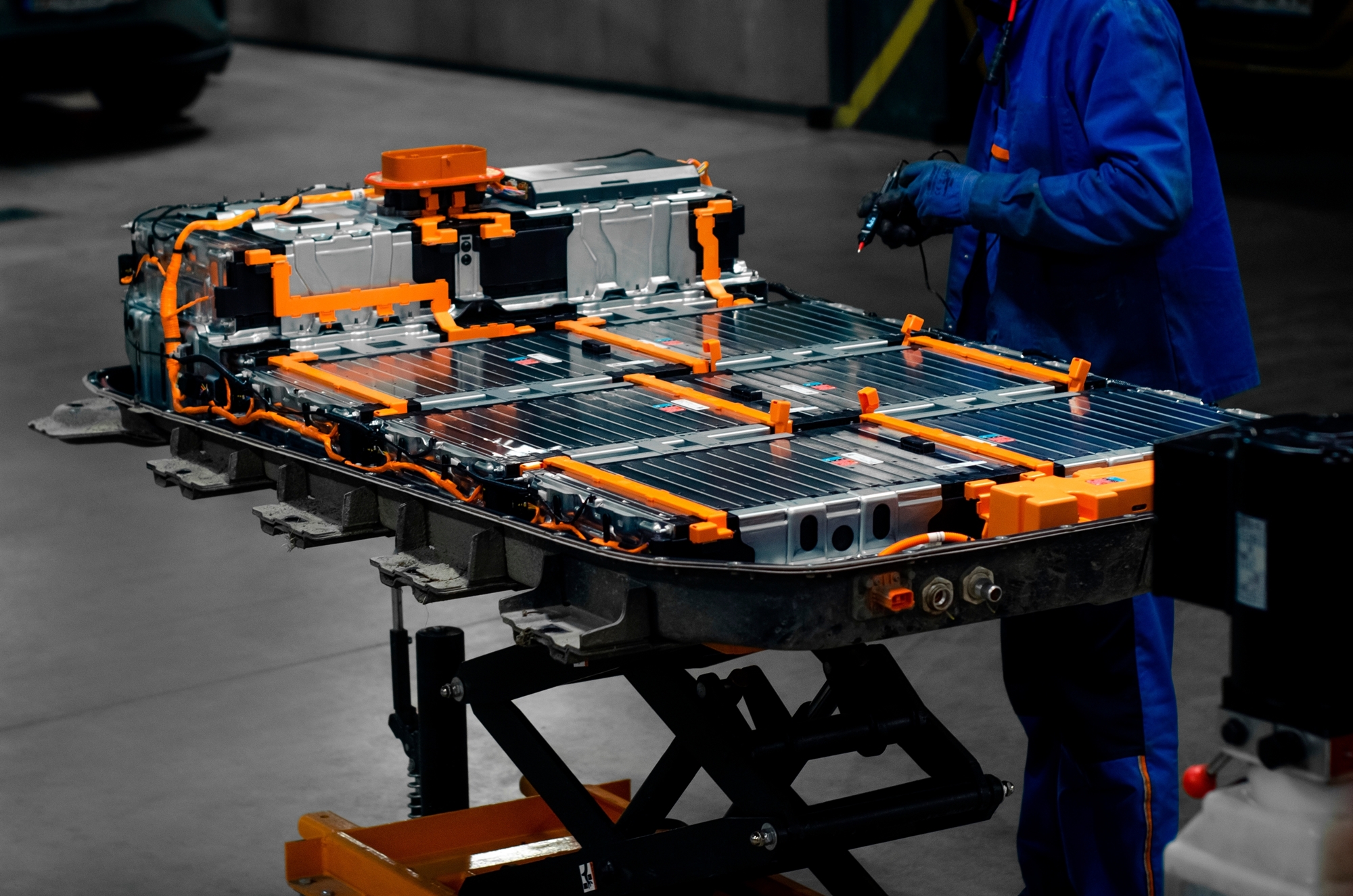
When an electric vehicle is involved in a collision, the repair process is significantly more complex than with a traditional gasoline-powered car. The battery pack, a high-voltage component, requires specialized handling and expertise. The video “Electric Vehicles In The Bodyshop” highlights this complexity, showing the challenges technicians face.
It’s essential to choose a body shop that is specifically certified to work on EVs. These shops have technicians who are trained in high-voltage safety procedures and understand the unique requirements of EV battery repair. Working with high-voltage systems is inherently dangerous, and improper handling can lead to serious injury or even death.
In some cases, the battery pack may need to be replaced entirely. This can be a costly repair, but it’s often the safest and most effective solution. In other cases, individual battery modules can be replaced. The decision depends on the extent of the damage and the manufacturer’s recommendations. It's crucial to verify the shop's experience and certifications before entrusting them with your EV repair.
Not all body shops are equipped to handle EV repairs. If you’re involved in an accident, make sure to choose a shop that has the necessary expertise and equipment to safely and effectively restore your vehicle.
Future battery technology
The future of EV batteries holds promise, with several technologies on the horizon. Solid-state batteries, which replace the liquid electrolyte with a solid material, are generating excitement. They offer potential for increased energy density, faster charging times, and improved safety.
Solid-state batteries are less flammable than traditional lithium-ion batteries, reducing the risk of thermal runaway. They also allow for the use of more energy-dense materials, increasing the range of EVs. However, this technology is still under development and faces challenges in terms of cost and manufacturing scalability.
Other advancements in battery chemistry and manufacturing are also underway, including lithium-sulfur batteries and sodium-ion batteries. These technologies offer potential benefits in terms of cost, availability of materials, and environmental impact. While these technologies aren’t widely available yet, they represent the next wave of innovation in EV batteries.
No comments yet. Be the first to share your thoughts!