

The rising threat of heat domes
Heat domes aren't just a weather report anomaly anymore. After the brutal summers of 2022 through 2024, the forecast for 2026 looks just as punishing. Most people worry about burning their hands on a steering wheel, but the real problem is the slow destruction of the car itself.
This isn’t just about feeling the burn when you touch the steering wheel. The heat stresses materials, accelerating wear and tear. Paint fades, interiors crack, and even mechanical components can suffer. Ignoring this is a costly mistake. The data is clear – temperatures are climbing, and we need to take preventative measures.
While predicting exact temperature increases is complex, the overall trend is undeniable. We're seeing more days exceeding 100 degrees Fahrenheit in regions that historically rarely experienced such heat. This sustained exposure is what really takes a toll on vehicles. It’s a problem that’s only going to worsen without proactive steps to protect our cars.
How heat kills your paint
Heat is a major catalyst for paint oxidation, a chemical process that causes paint to lose its gloss and color. Essentially, the paint reacts with oxygen, breaking down the pigment and clear coat. This isn't just surface-level; it's a degradation of the paint’s molecular structure. The hotter it gets, the faster this process happens.
Different paint systems react differently to heat. Single-stage paints, which combine color and clear coat, are more vulnerable because they lack the protective clear layer. Clear coat systems offer better protection, but even those can suffer over time with prolonged exposure. UV rays exacerbate the problem, breaking down the binders in the paint and accelerating oxidation.
Darker colored vehicles absorb significantly more heat than lighter ones. A black car parked in the sun will get dramatically hotter than a silver car, leading to faster paint degradation. This is simple physics – darker colors absorb more radiant energy. It's a key factor to consider when choosing a car color, or when implementing heat protection strategies.
Cracked dashes and faded seats
Your car’s interior is just as vulnerable to heat damage as the exterior. Dashboards, vinyl seats, and plastic trim are all susceptible to cracking and warping. Materials expand when heated and contract when cooled. Repeated cycles of this expansion and contraction create stress, eventually leading to visible damage.
Leather interiors are particularly prone to drying and cracking in extreme heat. The natural oils in leather evaporate, making it brittle and susceptible to damage. Vinyl, while more durable, can also become brittle and discolored. Even seemingly robust plastics can warp and lose their shape.
UV exposure plays a huge role in interior fading. Sunlight breaks down the dyes in fabrics and plastics, causing colors to become dull and washed out. This is especially noticeable on dashboards and door panels. Different materials hold up differently; for example, higher-quality vinyls with UV stabilizers will resist fading better than cheaper alternatives.
The danger to passengers
The speed at which a car’s interior heats up is terrifying. According to data from the Wisconsin Department of Agriculture, Trade and Consumer Protection (datcp.wi.gov), even on a 70-degree day, the temperature inside a car can reach 89 degrees within 10 minutes. This rises to 99 degrees after 20 minutes, and 104 degrees after 30 minutes.
These numbers become truly alarming as the outside temperature increases. On an 85-degree day, the interior can soar to 114 degrees in just 10 minutes. At 95 degrees outside, it hits 124 degrees in the same timeframe. These are life-threatening temperatures for pets and especially young children.
Leaving a pet or child in a parked car, even for a short time, is incredibly dangerous. The rapid temperature increase can lead to heatstroke, organ damage, and even death. It's a risk that is simply not worth taking. Always ensure passengers are safe and never leave anyone unattended in a vehicle during warm weather.
- At 70°F outside, the car reaches 89°F inside after 10 minutes.
- At 80°F outside, the car reaches 109°F inside after 20 minutes.
- At 90°F outside, the car reaches 119°F inside after 10 minutes.
Internal Vehicle Temperature Rise Based on Outside Temperature
| Elapsed Time (Minutes) | 70°F | 75°F | 80°F | 85°F | 90°F | 95°F |
|---|---|---|---|---|---|---|
| 0 | 70°F | 75°F | 80°F | 85°F | 90°F | 95°F |
| 10 | 89°F | 94°F | 99°F | 104°F | 109°F | 114°F |
| 20 | 99°F | 104°F | 109°F | 114°F | 119°F | 124°F |
| 30 | 104°F | 109°F | 114°F | 119°F | 124°F | 129°F |
| 40 | 108°F | 113°F | 118°F | 123°F | 128°F | 133°F |
| 50 | 111°F | 116°F | 121°F | 126°F | 131°F | 136°F |
| 60 | 113°F | 118°F | 123°F |
Illustrative comparison based on the article research brief. Verify current pricing, limits, and product details in the official docs before relying on it.
Where you park matters
The simplest and most effective way to protect your car from heat damage is to minimize its exposure. Parking in a garage or covered parking structure is ideal. This provides a physical barrier against direct sunlight and significantly reduces the interior temperature.
If a garage isn’t available, seek out shady spots. Parking under trees can help, but be mindful of falling branches and bird droppings. Orient your car so that the sun doesn’t directly hit the dashboard or windshield. A slight adjustment in parking direction can make a big difference.
A reflective car cover is a solid backup if you're stuck in a driveway. You want something that fits tight so the wind doesn't rub the fabric against your paint, which causes its own set of problems. Look for multi-layer covers specifically rated for high UV exposure.
Window tint and heat rejection
Window tinting is an effective way to reduce heat buildup inside your car. Different tint levels offer varying degrees of heat rejection. Lighter tints provide some protection, while darker tints block more sunlight and heat. However, it’s important to be aware of legal restrictions.
There are different types of tint available. Dyed tints are the most affordable, but offer the least heat rejection. Carbon tints provide better heat rejection and are more durable. Ceramic tints are the most effective, blocking a significant amount of infrared and UV radiation, but are also the most expensive.
Check your state laws before you go dark. Most places have strict limits on how much light must pass through the front side windows—usually around 35% or 70% depending on where you live. If you go too dark, you're just asking for a fix-it ticket.
Shields and coatings
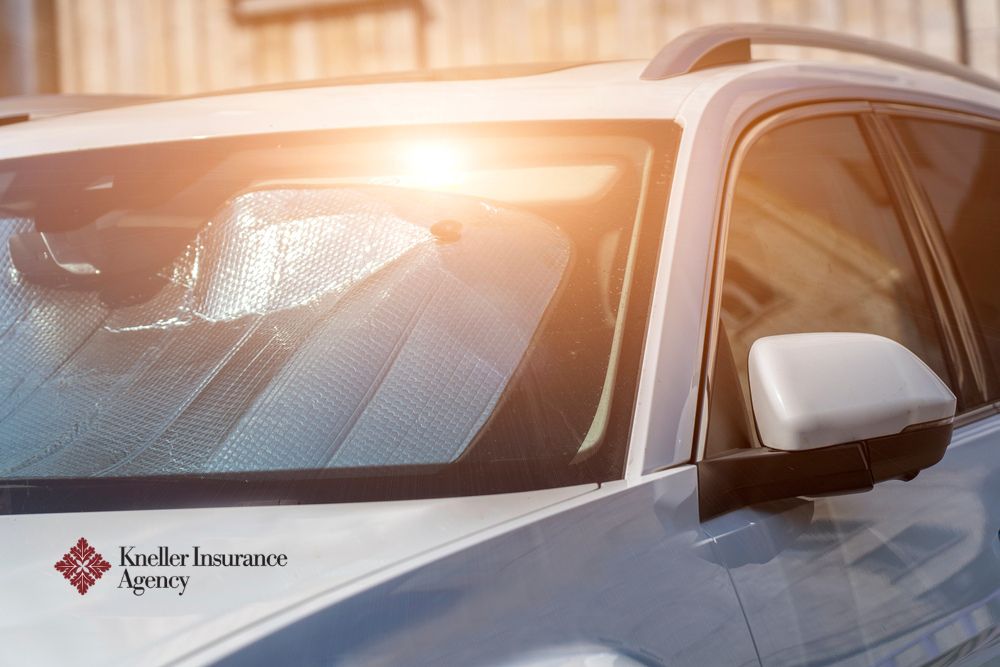
The market is full of products designed to protect your car from heat damage. Car sunshades are a simple and affordable option. These block sunlight from entering the windshield, reducing dashboard temperature and preventing fading. You can find standard reflective shades, or more robust accordion-style shields.
Heat reflective window films, beyond traditional tint, can offer additional protection. These films are designed to bounce heat away from the car, keeping the interior cooler. Dashboard covers are also effective, protecting the dashboard from cracking and fading. They come in various materials and sizes.
Protective sprays and coatings can help shield your paint and interior surfaces. These products often contain UV inhibitors and heat-resistant polymers. Amazon.com offers a wide selection of these, but it’s important to read reviews and choose products from reputable brands. Examples include ceramic coatings for paint and vinyl protectants for interiors.
- Reflective accordion-style sunshades for the windshield are the cheapest way to drop interior temps by 20 degrees.
- Heat Reflective Window Films: Beyond tint, offering extra heat blockage.
- Dashboard Covers: Protect against cracking and fading.
- Ceramic coatings and vinyl protectants with UV inhibitors help keep surfaces from drying out.
Heat Dome Car Care Essentials
- Car Cover - A full car cover provides a physical barrier against the sun’s UV rays and extreme heat, protecting your paint from fading and cracking.
- Windshield Sunshade - Reflective sunshades block sunlight from entering your vehicle, significantly reducing dashboard and interior temperatures.
- Dashboard Protector - These mats or covers shield your dashboard from cracking and discoloration caused by prolonged sun exposure. Options are available in materials like carpet, velour, or molded plastic.
- Window Tint - Professionally installed window tint blocks a significant percentage of UV rays and infrared heat, protecting both your interior and your skin.
- Interior Protectant Spray - Specifically formulated for automotive interiors, these sprays create a protective barrier against UV damage and fading on vinyl, plastic, and leather surfaces.
- Microfiber Cloths - Essential for gently cleaning and applying protectant sprays. Microfiber prevents scratches and effectively removes dust and grime.
- Leather Conditioner - For leather seats, a quality leather conditioner prevents drying, cracking, and fading due to the heat. Apply regularly for best results.


No comments yet. Be the first to share your thoughts!