

Why heat kills batteries
If you drive an EV in the summer, you'll notice the range drops faster when the thermometer climbs. Heat is the main enemy of lithium-ion cells. With 2026 projected to have record-breaking heatwaves, keeping the battery cool is the only way to keep the car on the road.
At the heart of most EVs is a lithium-ion battery. These batteries rely on chemical reactions to store and release energy. But those reactions are sensitive to temperature. Heat accelerates the degradation of the battery's cells, meaning they lose their capacity to hold a charge over time. Think of it like leaving a phone in direct sunlight – the battery health diminishes faster.
You’ll likely notice this as reduced range, especially on long drives or when using power-hungry features like the air conditioner. While a complete battery failure leading to "thermal runaway’ – a dangerous overheating situation – is rare in modern EVs with sophisticated safety systems, it’s a risk. More realistically, consistently exposing your battery to high temperatures will shorten its overall lifespan, and that"s a significant expense.
It’s not just about range; performance can also suffer. The battery management system (BMS) often reduces power output to protect the battery from overheating, meaning you might experience less acceleration or slower charging speeds. Understanding these effects is the first step in protecting your investment and enjoying a reliable EV experience.
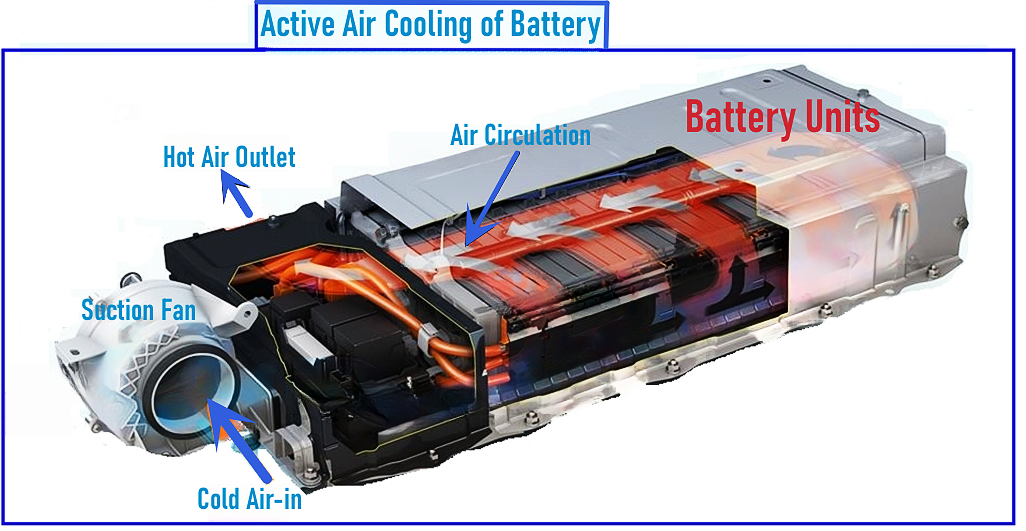
How cooling systems work
EV batteries don't just sit there and bake in the heat. Manufacturers employ various cooling systems to regulate their temperature. The complexity and effectiveness of these systems vary considerably, impacting both the vehicle’s price and its performance. Let’s look at the three main types.
First, there’s air cooling. This is the simplest and least expensive method, often found in older or more budget-friendly EVs. It relies on fans to circulate air around the battery pack. While it's adequate for moderate climates and less demanding driving, it struggles to keep up in extreme heat or during rapid charging. The Nissan Leaf, in its earlier iterations, used an air-cooled system.
Next, we have liquid cooling. This is the most common approach in modern EVs. A coolant – typically a glycol/water mix, similar to what you find in an internal combustion engine – is pumped through channels within the battery pack to absorb heat. This coolant then flows to a radiator, where the heat is dissipated into the air. Some manufacturers are experimenting with dielectric fluids – coolants that don’t conduct electricity – for added safety and efficiency.
Finally, there’s direct refrigerant cooling. This is the most advanced (and expensive) system, used in high-performance EVs like some Teslas and Porsches. Instead of a coolant, the refrigerant from the air conditioning system is directly circulated through the battery pack. This provides incredibly efficient cooling, but it's also the most complex and potentially problematic system. Each method has its place, depending on the vehicle's intended use and price point.
Maintenance you can do at home
You don’t need to be a mechanic to contribute to your EV’s battery health. There are several simple checks you can perform yourself to ensure the cooling system is functioning correctly. These checks can catch minor issues before they escalate into larger, more expensive repairs.
If your EV uses liquid cooling, regularly check the coolant level – but always refer to your owner’s manual for specific instructions and safety precautions. Coolant expansion tanks are often visible, and you can visually inspect the level. Look for any signs of leaks around the battery pack, cooling lines, or the radiator. A pinkish or greenish fluid under the car is a strong indicator of a leak.
Listen for unusual noises coming from the cooling pump. It’s usually a subtle hum, but any grinding, whining, or clicking sounds should be investigated. Also, visually inspect the cooling lines for any kinks, cracks, or damage. Remember, do not attempt to open the battery pack itself. This is a high-voltage system and should only be handled by qualified professionals.
I recommend performing these checks monthly, or before any long trips, especially during warmer weather. It’s a small investment of time that can potentially save you a lot of money and inconvenience down the road.
- Check the coolant level in the expansion tank, but only when the car is cold.
- Inspect for leaks around the battery pack and cooling lines
- Listen for unusual noises from the cooling pump
- Visually inspect cooling lines for damage
Warning lights and alerts
Your EV is equipped with a sophisticated monitoring system that will alert you to potential problems with the battery or cooling system. Understanding these warnings is crucial for preventing damage and ensuring your safety. Ignoring them could lead to a breakdown or even a more serious issue.
A battery temperature warning light – often depicted as a thermometer or a battery icon with waves – is a clear signal that the battery is overheating. This means you should immediately pull over to a safe location and allow the battery to cool down. Continuing to drive could cause further damage.
You might also receive alerts through the vehicle’s infotainment system. These could range from a general "battery temperature high" message to more specific warnings about the cooling system. Pay attention to these alerts and follow the recommended actions. Some systems will automatically reduce power output to protect the battery.
If an alert persists even after the battery has cooled down, or if it’s accompanied by other symptoms like reduced range or unusual noises, it’s time to take your EV to a qualified technician. Don't attempt to diagnose or repair the problem yourself – the high-voltage system can be dangerous.
Professional service
While you can perform some basic checks yourself, regular professional maintenance is essential for keeping your EV’s battery cooling system in top condition. A qualified EV technician has the tools, training, and experience to identify and address potential issues before they become major problems.
A typical service will involve a thorough inspection of the cooling lines, pump, and radiator. If your EV uses liquid cooling, the technician will likely recommend a coolant flush – replacing the old coolant with fresh fluid to ensure optimal heat transfer. They’ll also check for leaks and corrosion.
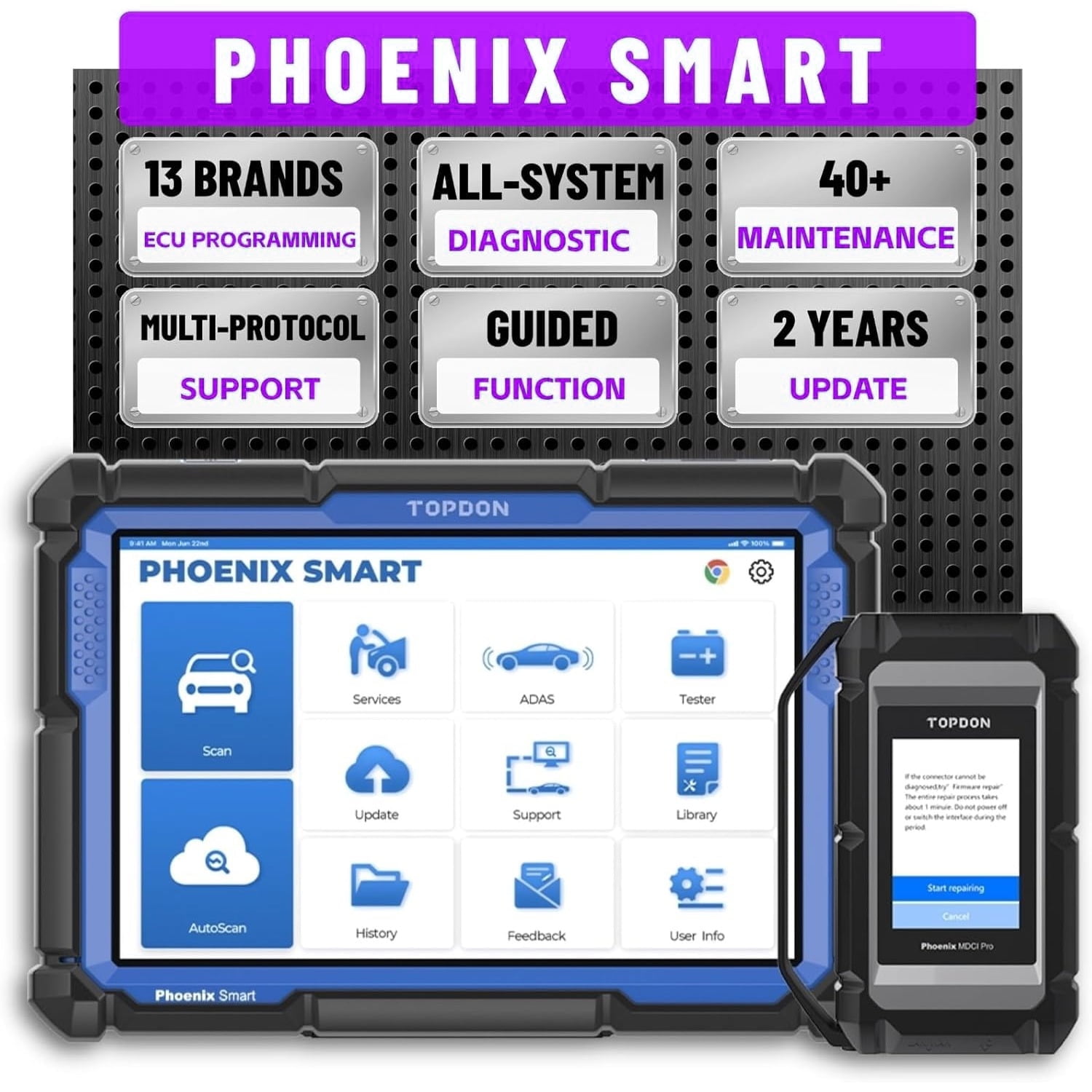
Modern EVs rely heavily on software to manage the cooling system. Technicians can perform software updates to optimize cooling system performance and address any known bugs or issues. They’ll also use diagnostic tools to scan for error codes and identify potential problems that aren’t immediately apparent.
Don't take an EV to a shop that mostly does oil changes. They often lack the diagnostic tools to talk to the battery management system. A specialized EV shop is more expensive upfront, but it's cheaper than replacing a $15,000 battery pack because a coolant clog went unnoticed.
Preparing for the 2026 summer
With increasingly frequent and intense heatwaves predicted for 2026, proactive measures are more important than ever. You can take steps to minimize the impact of high temperatures on your EV’s battery and ensure reliable performance.
Whenever possible, park in the shade. This simple step can significantly reduce the amount of heat absorbed by the battery pack. If shade isn’t available, consider using a sunshade to block direct sunlight. Pre-conditioning the battery before driving is also a smart move. This brings the battery to its optimal operating temperature, reducing stress during the initial stages of your journey.
Avoid fast charging during the hottest part of the day. Fast charging generates a lot of heat, and a hot battery will absorb even more. If possible, charge during cooler hours, such as overnight. Your driving style also plays a role. Aggressive acceleration and high speeds generate more heat, so driving more conservatively can help keep the battery temperature down.
Finally, be mindful of accessory use. Running the air conditioner, heater, and other power-hungry features puts additional strain on the battery and generates more heat. Use them judiciously, especially during hot weather.
EV Cooling System Checks
- Coolant Level & Condition - Ensure the coolant reservoir is at the proper level and the coolant itself appears clean and free of debris. Discolored coolant may indicate contamination or corrosion.
- Coolant Pump Operation - Verify the coolant pump is functioning correctly. Some EVs provide diagnostic information accessible through the vehicle’s onboard system or a scan tool.
- Radiator/Chiller Inspection - Check the radiator or chiller (depending on the vehicle’s design) for blockages from debris like leaves or insects. Ensure the fins are not bent or damaged.
- Hose & Connection Integrity - Inspect all hoses and connections within the cooling system for leaks, cracks, or loose clamps. Replace any damaged components.
- Fan Operation - Confirm that the cooling fans are operating as expected, especially when the vehicle is stationary or under load. Listen for unusual noises.
- Thermal Management System Sensors - Have a qualified technician scan the vehicle’s computer for any fault codes related to temperature sensors within the battery cooling system.
- Diagnostic Tool Compatibility - When selecting a repair shop, ask: Do you have the necessary diagnostic tools? EV cooling systems require specialized scan tools to access data and perform tests.


No comments yet. Be the first to share your thoughts!