

Beat the Freeze: Why Winter Car Care Isn't Optional
Winter isn’t just about dealing with snow and ice; it’s a brutal season for your car. The combination of cold temperatures, salt, and slush creates a perfect storm for automotive problems. Thinking of winter car care as an extra expense is a mistake; it's about preventing much larger, more painful ones down the road. Small issues ignored now can quickly escalate into major repairs.
Corrosion is a huge threat. Road salt is incredibly effective at melting ice, but it's also incredibly corrosive to metal. This accelerates rust, damaging your vehicle’s undercarriage and body panels. Battery performance plummets in the cold, and tires lose pressure. These aren't just inconveniences; they impact safety and reliability. Plus, the increased risk of accidents during winter months means a higher chance of needing auto body repairs.
I remember a friend who ignored a low tire pressure warning light, figuring it was just the cold. During a snowstorm, he hydroplaned into a ditch. Thankfully, he wasn't hurt, but the body work cost him $1500. A simple tire inflation could have prevented the whole ordeal. Don't let that happen to you. Preventative maintenance goes a long way.
The financial impact is real. Even seemingly minor issues, like a cracked windshield from a flying pebble kicked up by another vehicle, can add up quickly. Proactive maintenance now is almost always cheaper than reactive repairs later. It's an investment in your vehicle's longevity and your peace of mind.
Battery Blues: Cold Weather and Your Car's Power Source
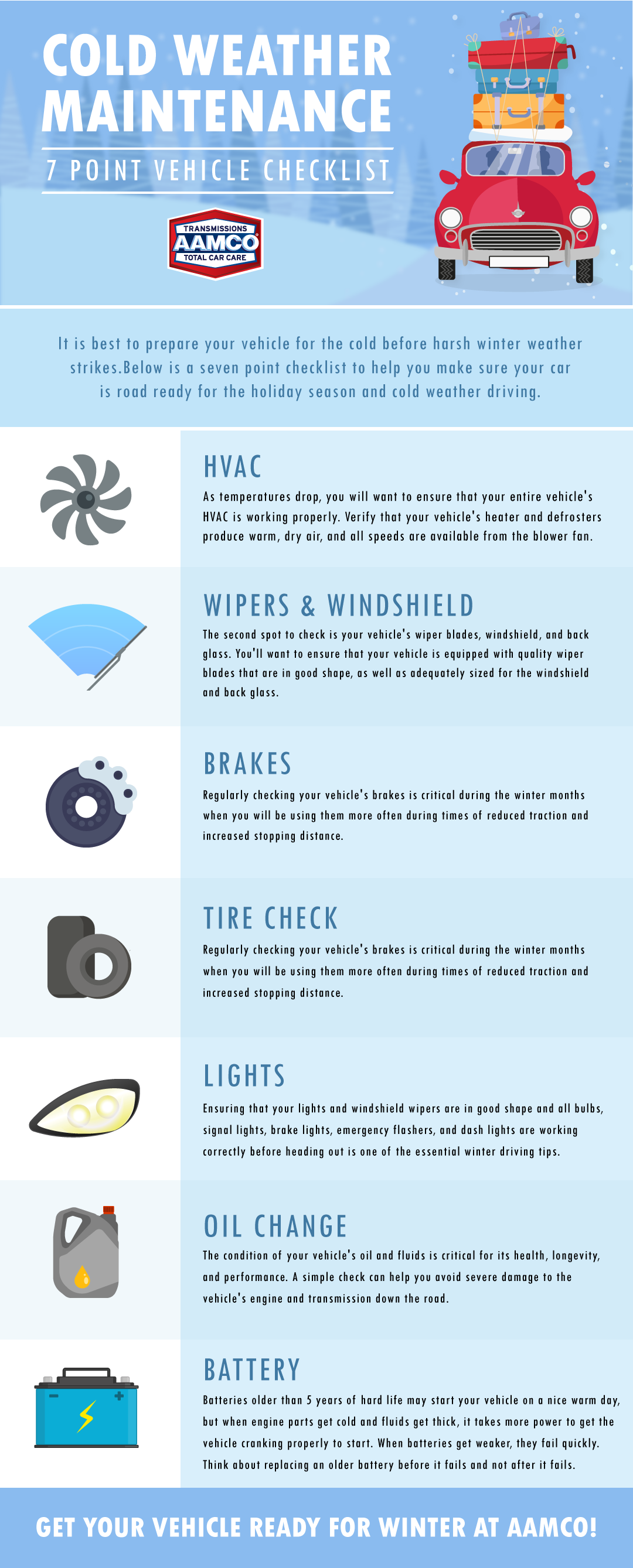
Cold weather is a battery’s worst enemy. Your battery is weaker in the winter; it actually is. The chemical reactions within the battery that generate electricity slow down significantly when temperatures drop. A battery that performs perfectly well in the summer can struggle to start your car when it’s below freezing. This is especially true for batteries that are already a few years old.
Testing your battery is the first step. You can use a voltmeter to check its voltage, but a load test is more accurate. Many auto parts stores offer free battery testing. If your battery is weak, replace it before winter. If it tests okay, a battery tender can help maintain its charge during inactivity. Jump-starting a car is okay in a pinch, but frequent jump-starts indicate a deeper problem.
According to AAA’s 2023 battery report, the average lifespan of a car battery is three to five years. Batteries in colder climates tend to fail sooner, sometimes after only two or three years. Maintaining proper charge and avoiding excessive drain can help extend its life. Don’t just assume your battery will be fine until it isn’t—be proactive.
- Check Battery Voltage: Use a voltmeter to ensure it's within the recommended range (12.6 volts or higher).
- Perform a Load Test: A load test simulates the strain of starting your engine to assess battery health.
- Consider a Battery Tender: If you don't drive your car frequently, a tender maintains optimal charge.
- Clean Terminals: Corrosion can impede electrical flow. Clean terminals with a wire brush.
Tires and Traction: Staying Gripped When It Matters Most
Tires are your only point of contact with the road, and their condition matters most in winter. Cold temperatures cause tire pressure to drop about 1 PSI for every 10 degrees Fahrenheit. Underinflated tires reduce fuel efficiency, increase wear, and compromise handling and braking. Regularly check your tire pressure and inflate them to the manufacturer’s recommended level (found on the sticker inside your driver’s side doorjamb).
Tread depth is equally important. The penny test is a simple way to check: insert a penny upside down into the tire tread. If you can see the top of Lincoln’s head, your tires need replacing. Reduced tread depth significantly decreases grip on snow and ice. Don't wait until you're sliding around to replace worn tires.
The debate between all-season and dedicated winter tires continues. All-season tires offer a compromise, but they don’t perform as well as winter tires in severe conditions. Winter tires are made with a special rubber compound that stays flexible in cold temperatures and have a tread pattern designed to grip snow and ice. If you live in an area with heavy snowfall and icy roads, switching to winter tires is a smart investment. It's about safety, plain and simple.
Brakes in the Brrr: Ensuring Safe Stopping Power
Slippery winter conditions demand responsive brakes. Have your brake system inspected by a qualified mechanic before winter. They’ll check the brake pads, rotors, calipers, and brake lines for wear and damage. Also, check your brake fluid level and ensure it’s at the proper level. Contaminated or old brake fluid can reduce braking performance.
Anti-lock Braking Systems (ABS) are crucial in winter. ABS prevents your wheels from locking up during hard braking, allowing you to maintain steering control. If your ABS light is on, have it diagnosed immediately. Don’t pump your brakes if you have ABS – apply firm, steady pressure. Remember, even with ABS, braking distances are longer on slippery surfaces.
Don’t neglect your wiper blades and washer fluid. Winter weather often brings grime and salt spray, reducing visibility. Use winter-specific wiper blades, which are designed to resist ice buildup. Fill your washer fluid reservoir with a winter formula that won’t freeze. If you aren’t comfortable inspecting or repairing your brakes, please take your car to a professional – this isn't an area to cut corners.
Fluid Focus: Protecting Your Car's Lifeblood
Maintaining the correct fluid levels is vital for winter performance. Coolant/antifreeze prevents your engine from freezing and protects it from corrosion. Check the concentration of your coolant using a hydrometer to ensure it’s appropriate for your climate. Oil viscosity increases in cold weather, making it harder for the engine to start. Consider using a slightly thinner oil grade for winter if recommended by your vehicle’s manufacturer.
Windshield washer fluid needs to be a winter blend to prevent freezing. Regular brake fluid should be checked. Power steering fluid ensures smooth steering operation, and low levels can cause damage to the power steering pump. It’s a good idea to top off all fluids before winter arrives, or even better, have a mechanic do a full fluid check during your pre-winter inspection.
Frozen fuel lines are a serious concern, especially with ethanol-blended gasoline. Water can accumulate in the fuel tank and freeze, blocking the fuel line. Using a fuel stabilizer can help prevent this. Make sure you’re using the correct type of antifreeze for your vehicle. Mixing different types can cause corrosion and damage.
- Coolant/Antifreeze: Check concentration with a hydrometer.
- Engine Oil: Consider a slightly thinner grade for winter.
- Windshield Washer Fluid: Use a winter blend.
- Brake Fluid: Check level and condition.
- Power Steering Fluid: Ensure proper level for smooth operation.
Essential Winter Fluid Checks & Maintenance
| Fluid Type | Check Interval | Replacement Interval | Consequences of Neglect |
|---|---|---|---|
| Engine Oil | Every Month | Every 3,000-7,500 miles (depending on oil type & vehicle) | Reduced engine lubrication, increased wear & tear, potential engine failure. Cold oil is thicker, exacerbating issues. |
| Coolant/Antifreeze | Every Month | Every 2-5 years (or as indicated by coolant test) | Overheating, freezing engine block (leading to cracking), radiator damage, and potential head gasket failure. |
| Windshield Washer Fluid | Every Fill-Up | As Needed | Reduced visibility, especially during winter storms with salt spray and road grime. Can lead to accidents. |
| Brake Fluid | Every 6 Months | Every 2-3 years | Reduced braking performance, corrosion of brake lines, and potential brake failure. Moisture absorption lowers boiling point. |
| Power Steering Fluid | Every 6 Months | Every 2-3 years (or as indicated by fluid condition) | Difficulty steering, pump failure, and potential damage to steering components. Can become thick and sluggish in cold weather. |
| Transmission Fluid | Every 6 Months | Every 30,000-60,000 miles (depending on transmission type & vehicle) | Slipping gears, rough shifting, transmission overheating, and potential transmission failure. Cold temperatures can thicken fluid. |
| Differential Fluid (if applicable) | Every 12 Months | Every 30,000-60,000 miles (depending on vehicle use) | Increased wear and tear on gears, noise, and potential differential failure. Important for vehicles with rear or all-wheel drive. |
Data sourced from AI research — verify before making decisions
Defrost and Heat: Maintaining Visibility and Comfort
Before the first freeze, test your heater and defroster. A malfunctioning heater can make driving miserable, and a faulty defroster can severely impair visibility. Make sure both are working effectively. Weak airflow or no heat could indicate a problem with the blower motor, heater core, or thermostat.
If you notice any issues, it’s best to have them diagnosed and repaired by a professional. Don’t ignore these problems – they can quickly become safety hazards. Keeping your windshield clear of ice and snow is crucial. Use a scraper to remove ice, and avoid using hot water, which can crack the glass.
De-icing sprays can be helpful, but use them sparingly and follow the manufacturer’s instructions. Prevention is key: using a windshield cover overnight can significantly reduce ice buildup. A clear windshield is essential for safe winter driving.
Emergency Kit Essentials: Be Prepared for the Unexpected
Winter driving can be unpredictable. An emergency kit can make a significant difference if you find yourself stranded. Start with the basics: jumper cables, a flashlight with extra batteries, warning devices (flares or reflective triangles), a first-aid kit, blankets, a cell phone charger, water, and non-perishable food.
Go beyond the basics: a shovel, ice scraper, sand or kitty litter for traction, a brightly colored cloth to signal for help, and extra warm clothing (hat, gloves, scarf) are all valuable additions. Keep a copy of your insurance information and emergency contact numbers in the kit. It's also a good idea to include any necessary medications.
The National Highway Traffic Safety Administration (NHTSA) offers comprehensive winter driving safety tips on their website (nhtsa.gov). Reviewing these tips can help you prepare for potential hazards and stay safe on the road. A well-stocked emergency kit can turn a stressful situation into a manageable one.
- Jumper Cables
- Flashlight with Extra Batteries
- Warning Devices (Flares/Triangles)
- First-Aid Kit
- Blankets
- Cell Phone Charger
- Water & Non-Perishable Food
- Shovel
- Ice Scraper
- Sand/Kitty Litter (for Traction)
- Brightly Colored Cloth
- Warm Clothing (Hat, Gloves, Scarf)
Essential Winter Car Care Kits to Prevent Auto Body Damage
Includes jumper cables, flashlight, first aid kit, and emergency blanket · Compact and organized carrying case · Designed for cold weather emergencies
This kit offers a comprehensive set of essentials for winter roadside breakdowns, helping to prevent further damage by providing immediate solutions.
Contains jumper cables, tire inflator/gauge, and basic tools · Durable carrying case · Backed by the trusted AAA brand
The AAA kit provides reliable tools for common winter issues like dead batteries or low tire pressure, preventing potential damage from prolonged exposure or attempts at self-repair.
Features a snow brush, ice scraper, flashlight, and emergency poncho · Includes jumper cables and basic first aid supplies · Comprehensive for various winter weather scenarios
This extensive kit addresses both vehicle operation and personal safety during winter, minimizing risks of damage from being stranded.
Extremely comprehensive with jumper cables, tools, first aid, and reflective triangles · Includes emergency blanket and flashlight · Large capacity for a wide range of potential issues
With its extensive contents, this kit empowers drivers to handle a multitude of winter roadside problems, thereby safeguarding their vehicle from further damage.
As an Amazon Associate I earn from qualifying purchases. Prices may vary.
DIY Snow & Ice Removal: Gentle Techniques to Protect Your Paint
Removing snow and ice from your car requires a gentle approach to avoid damaging the paint and trim. Always use a plastic scraper instead of a metal one, as metal can scratch the finish. Avoid using hot water, as it can cause thermal shock and crack the glass. Start by brushing off loose snow with a soft-bristled brush before scraping.
De-icing sprays can be effective, but choose a product specifically designed for automotive use. Follow the manufacturer’s instructions carefully. Be cautious about using salt, as it can accelerate corrosion. If you must use salt, rinse your car thoroughly afterward. Consider using a windshield cover overnight to prevent ice buildup in the first place.
When clearing snow from around door seals, be careful not to damage them. Gently lift the snow away rather than pulling it. Taking the time to remove snow and ice properly will protect your car’s finish and ensure safe visibility. A little patience can save you a lot of money and hassle in the long run.


No comments yet. Be the first to share your thoughts!