
Winter's Harsh Toll: Understanding Damage to Your Car
Many of us experienced a particularly brutal winter in 2023-2024, with record-low temperatures and relentless snowstorms in many parts of the country. It’s a beautiful sight, sure, but that winter weather doesn’t just affect our commutes – it really takes a toll on our vehicles. The combination of road salt, extreme temperatures, and the general wear and tear of navigating challenging driving conditions can leave your car looking and feeling worse for wear.
Salt is the biggest culprit; it’s spread on roads to prevent ice, but it’s incredibly corrosive. Cold temperatures make metal brittle and more prone to damage. Even seemingly minor issues can escalate quickly when exposed to these conditions. We’ve seen a surge in requests for repairs this spring, and I want to help you understand the common types of winter damage and what you can do about it.
This piece covers three major areas: salt stains, which can permanently mar your car’s finish; leather damage, as cold and salt dry out and crack upholstery; and those mysterious cold weather dents that seem to appear out of nowhere. We’ll discuss both DIY solutions and when it’s best to bring your car to a professional like AutoBodyRX.
I've been working in auto body repair for over 15 years, and I can tell you that preventative maintenance is important. But even the best-maintained vehicles can suffer winter damage. Addressing problems quickly minimizes long-term costs and keeps your car looking its best.
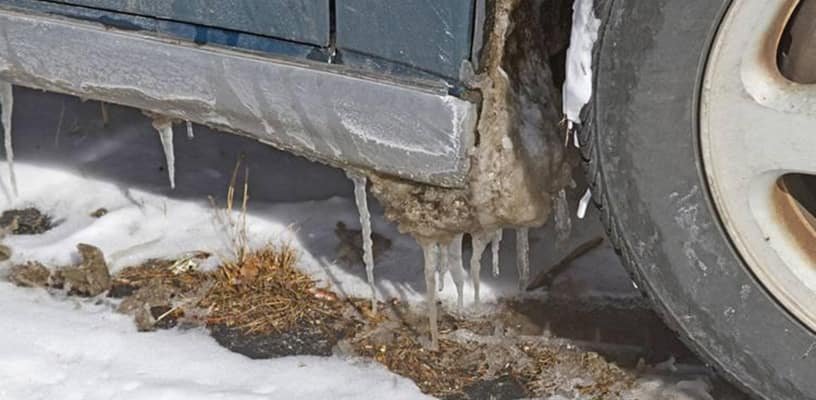
The Salt Stain Battle: Removal Techniques That Actually Work
Salt stains are arguably the most common form of winter car damage. They appear as white or yellowish streaks, especially on lower body panels and around the wheel wells. Don't ignore them! Salt accelerates corrosion, and if left untreated, can lead to rust that eats away at your car’s metal.
The most effective solution, and the one I recommend first, is a 1:1 mixture of white vinegar and warm water. Spray the solution onto the affected areas, let it sit for about five minutes to break down the salt, and then gently blot with a clean microfiber cloth. Blot, don't rub, as rubbing can spread the salt and potentially scratch the paint.
For more delicate surfaces, like clear coat or lightly colored paint, a mild dish soap and warm water solution can be used. It’s less aggressive but still effective. If the stains are particularly stubborn, some people swear by an all-purpose cleaner combined with a Magic Eraser. However, be extremely cautious with this method – Magic Erasers are abrasive and can damage your car’s paint if used too aggressively.
Speed is of the essence. The longer salt sits on your car, the more damage it causes. Ideally, wash your car after every snowstorm, or at least every few days during the winter months. Regular washing, combined with prompt stain removal, is the best defense.
- Mix equal parts white vinegar and warm water.
- Spray the solution onto salt stains.
- Let it sit for 5 minutes.
- Gently blot with a clean microfiber cloth.
Leather Under Attack: Preventing and Repairing Winter Cracks
Winter is particularly harsh on leather interiors. Salt, combined with the dry air and fluctuating temperatures, strips moisture from the leather, causing it to dry out, crack, and become brittle. Small cracks might appear on the seats, dashboard, or steering wheel.
For minor cracks, a specialized leather conditioner like Saphir Dubbin can work wonders. This product contains seal oil and mink oil, which penetrate the leather fibers to deeply hydrate and soften the material. It's a bit of an investment, but it's far cheaper than replacing the entire leather interior.
If you notice fresh salt marks on your leather seats, the same vinegar-water solution (1:1 ratio) used for paint can be effective. Gently work the solution along the marks with a soft cloth until they begin to fade, then wipe with a clean, damp cloth and dry with a soft towel. Avoid harsh chemicals or abrasive cleaners, as these can further damage the leather.
Prevention is important. Regularly cleaning and conditioning your leather interior throughout the winter months will help prevent the accumulation of salt and maintain its moisture content. A good quality leather conditioner should be applied every few weeks, or more frequently if you live in a particularly harsh climate. I've seen a lot of interiors saved by diligent conditioning.
- Saphir Dubbin: Contains seal and mink oil for deep hydration.
- Vinegar-Water Solution: Gently clean fresh salt marks (1:1 ratio).
- Leather Conditioner: Apply regularly to prevent drying and cracking.
Top Picks for Repairing Winter Car Damage: Salt Stains, Leather Cracking & Dents
Two-step cleaning and conditioning process · Safe for most leather types · Helps prevent drying and cracking
This kit is ideal for restoring and protecting leather interiors that may have suffered from the drying effects of winter air and heating systems.
Formulated to break down road salt and grime · Safe for use on paint, plastic, and glass · Concentrated formula for multiple uses
Effectively tackles stubborn salt stains and residue left behind by winter road treatments, helping to prevent corrosion.
Includes various sized pullers and tools · Designed for easy use by beginners · Suitable for minor dents and dings
This beginner-friendly kit provides the necessary tools to address minor dents and dings that can occur from falling ice or minor impacts during winter.
Cleans and conditions in one step · Leaves a natural, non-greasy finish · Contains nourishing conditioners and protective agents
A convenient all-in-one solution to clean and rehydrate leather surfaces, combating dryness and the onset of cracking.
Safe for most interior surfaces · Removes dust, fingerprints, and light grime · Leaves a clean, matte finish
This versatile interior cleaner is perfect for refreshing the cabin after a winter of accumulated dirt and salt dust.
As an Amazon Associate I earn from qualifying purchases. Prices may vary.
Decoding Cold Weather Dents: What Causes Them and What You Can Do
Have you ever noticed a new dent in your car after a particularly cold snap? These 'cold weather dents' are a frustrating phenomenon. Metal contracts in the cold, making it more susceptible to damage from even minor impacts. Existing weaknesses in the paint or metal can also be exacerbated by the temperature change.
Often, these dents aren’t new – they were already there, hidden beneath the 'cold weather coat of sludge' that accumulates on our cars during the winter. A thorough cleaning reveals the true extent of the damage. It’s not uncommon to find multiple small dents and scratches that were previously obscured.
Unfortunately, there’s limited specific data on repairing cold weather dents specifically. The repair process is generally the same as for any other dent: assess the damage, and determine if it can be repaired with paintless dent repair (PDR) or if more extensive bodywork is required.
I generally recommend a professional assessment for cold weather dents. The metal may be more brittle than usual, and attempting a DIY repair could potentially worsen the damage. A skilled technician can accurately assess the situation and recommend the best course of action.
Beyond the Surface: Hidden Winter Damage You Might Miss
Winter damage isn’t always visible. Beyond the salt stains, leather cracks, and dents, there are several hidden areas that can suffer during the colder months. Your tires, for example, lose pressure in cold weather, which can affect handling and fuel efficiency. Tire wear also increases on salted roads.
Your car battery is also vulnerable. Cold temperatures reduce its capacity, making it harder to start your engine. A weak battery may fail completely in extreme cold. It’s a good idea to have your battery tested before winter arrives.
Fluids are another area to check. Antifreeze levels should be topped up to prevent freezing, and your windshield washer fluid should be a winter-specific formula that won’t freeze in the reservoir. Neglecting these areas can lead to costly repairs down the road.
At AutoBodyRX, we offer a comprehensive winter maintenance checkup that covers all these areas. It’s a proactive way to identify and address potential problems before they become major issues.
- Tires: Check pressure and tread wear.
- Battery: Test capacity and replace if necessary.
- Fluids: Top up antifreeze and use winter windshield washer fluid.
DIY vs. Professional Repair: Knowing When to Call in the Experts
So, what can you tackle yourself, and when should you call in a professional? Salt stain removal and minor leather conditioning are generally DIY-friendly, as long as you follow the instructions carefully. There are plenty of resources available online, and the tools required are relatively inexpensive.
However, cold weather dents and significant leather cracking are best left to professionals. Dent repair requires specialized tools and expertise, and attempting a DIY fix could worsen the damage. Severely cracked leather may require patching or even complete reupholstering, which is a job for a skilled technician.
Professional repairs aren’t cheap. The cost of dent repair can range from a few hundred dollars for a minor dent to several thousand dollars for extensive bodywork. Leather repair can also vary widely in price, depending on the extent of the damage.
It’s important to get a quote from a reputable repair shop before authorizing any work. At AutoBodyRX, we provide transparent pricing and honest assessments. We’ll explain the repair process in detail and answer any questions you may have.
Preventative Measures: Protecting Your Car From Future Winter Woes
The best way to deal with winter car damage is to prevent it in the first place. Regular washing and waxing create a protective barrier against salt and other contaminants. An undercarriage wash is particularly important, as it removes salt buildup from the frame and suspension components.
Consider applying a protective coating, such as ceramic coating or paint protection film (PPF). These coatings provide a durable barrier against scratches, chips, and corrosion. While they’re an investment upfront, they can save you money in the long run by preventing costly repairs.
Parking in a garage or covered area whenever possible is also a great way to protect your car from the elements. If you don’t have access to a garage, consider using a car cover.
Preventative maintenance is always cheaper than repairs. A little effort now can save you a lot of headaches – and money – down the road. It's something I always emphasize to my clients.
Pro Undercarriage Wash & Rust Proofing: Beat Winter Salt Damage!
Apex Auto Detailing
Watch on YouTube →AutoBodyRX Services: Your Winter Damage Solution
At AutoBodyRX, we specialize in repairing winter car damage. Our services include professional salt stain removal, expert leather repair, and precision dent repair. We use the latest equipment and techniques to restore your car to its original condition.
We offer a full range of services to address all your winter damage needs, from minor touch-ups to extensive bodywork. Our experienced technicians are dedicated to providing high-quality repairs and exceptional customer service.
Don’t let winter damage ruin your car’s appearance or compromise its safety. Schedule an inspection today and let our team assess the damage and recommend the best course of action. You can request a quote online or give us a call to discuss your needs.
Visit our website at [insert website address here] or call us at [insert phone number here] to learn more about our services and schedule an appointment. Let AutoBodyRX take the stress out of winter car repair.
- Salt Stain Removal: Thorough cleaning and paint protection.
- Leather Repair: Cracking, tearing, and discoloration repair.
- Dent Repair: Paintless dent repair and traditional bodywork.



No comments yet. Be the first to share your thoughts!