
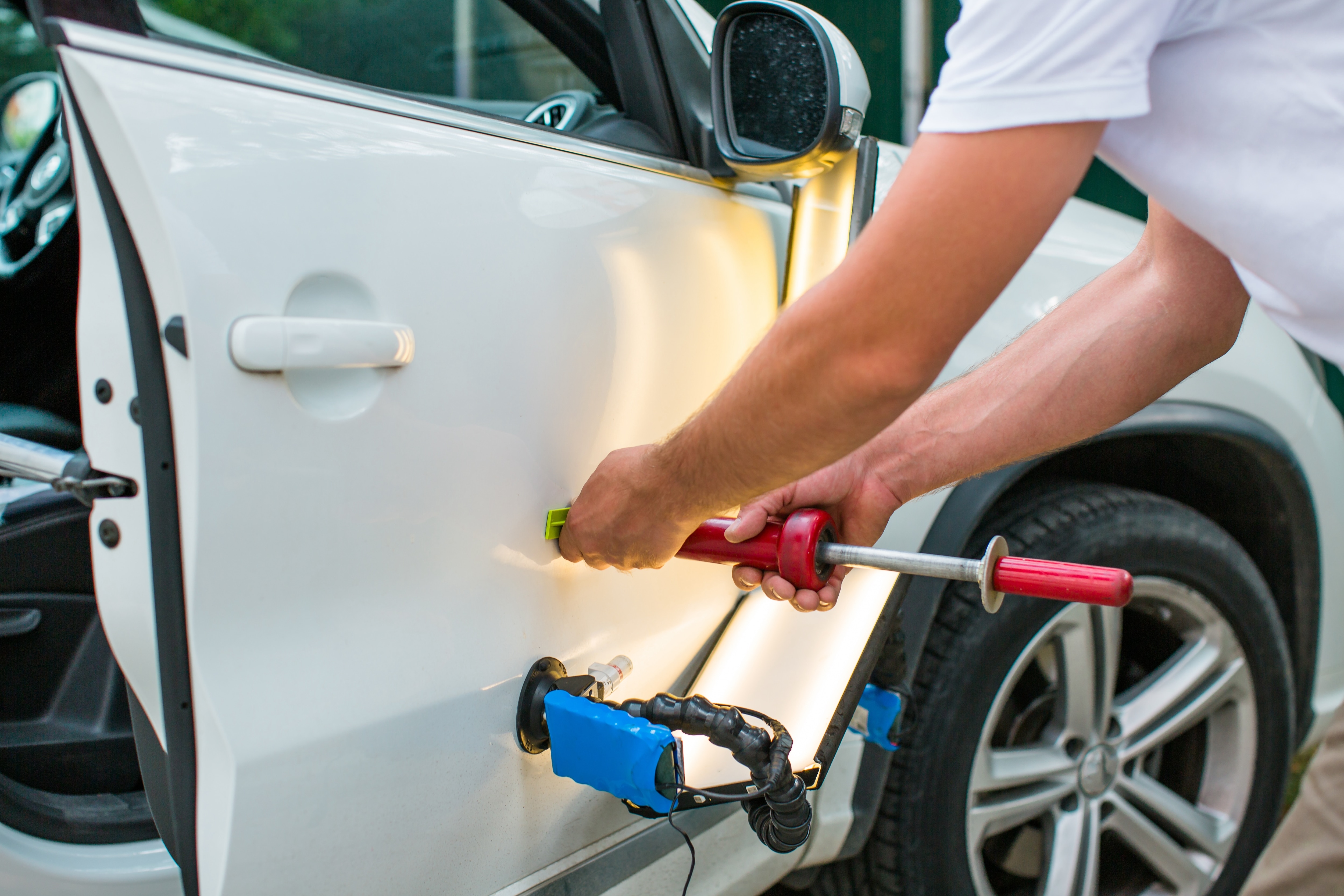

Why AutoBodyRX trusts DIY dent repair
At AutoBodyRX, we believe in empowering drivers to handle minor car damage themselves. While professional auto body work is essential for structural integrity, it often costs $500 to over $6,000. For small dents with intact paint, DIY kits under $50 offer a practical, cost-effective alternative that preserves your vehicle's resale value.
Our team tests and recommends specific kits that balance ease of use with effectiveness. Below, we break down the best options available today.
Best Overall Dent Puller Kit
For the average DIYer, a suction-based dent puller kit offers the best balance of ease and effectiveness. These tools are designed for small to medium-sized dings on flat panels, like door edges or hoods, where the metal hasn't been creased. Unlike glue-pull systems, suction kits offer a cleaner, more forgiving entry point for beginners.
The mechanism is straightforward: a strong vacuum cup attaches to the dent, and a bridge leverages your body weight to pop the metal back into shape. This method preserves the factory paint, which is the primary advantage over drilling techniques. AutoBodyRX recommends this approach for dents smaller than a golf ball that are accessible from the outside.
When selecting a kit, look for one that includes multiple cup sizes and a sturdy bridge. The bridge provides the mechanical advantage needed to lift deeper dents without slipping. Avoid kits with flimsy plastic components; metal bridges and rubberized suction cups last longer and perform better under tension.


As an Amazon Associate, we may earn from qualifying purchases.
Budget-friendly suction cup options
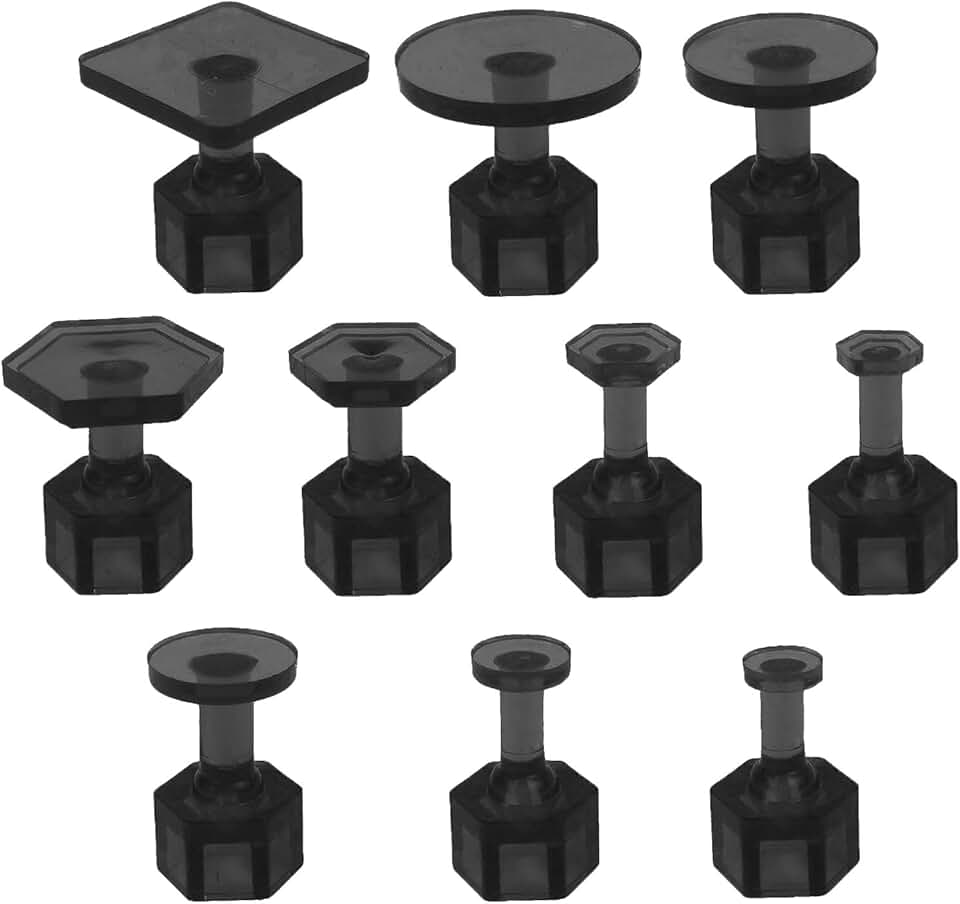
Suction cup dent pullers offer the most accessible entry point into DIY auto body work. These tools rely on vacuum pressure to lift minor dents out from the inside of the panel. They are particularly effective on large, shallow depressions found on hoods, doors, and trunk lids where there is no structural bracing blocking access.
For those on a tight budget, these kits typically cost under $50, making them a low-risk experiment before committing to more expensive glue-pulling systems or professional services. While they lack the precision of professional-grade equipment, they can handle everyday dings caused by hail, shopping carts, or minor accidents. The key is patience; applying steady, consistent pressure yields better results than jerking motions.


As an Amazon Associate, we may earn from qualifying purchases.
How to choose the right kit for your car
Choosing the right DIY dent repair kit comes down to three factors: the size of the dent, where it sits on the body panel, and whether the paint is cracked. Using the wrong tool can worsen the damage or leave permanent marks. AutoBodyRX recommends matching the kit to the specific damage type to ensure a clean finish without professional help.
Small, shallow dents are the easiest to fix. These often appear as minor dings from shopping carts or hail. Look for kits that include suction cups or glue-pull tabs. These tools gently pull the metal back into shape. They work best on flat panels like doors or hoods where the metal has enough flexibility to bounce back.
Larger or sharper dents require more force. If the dent is in a crease or near an edge, standard suction cups may not grip well. In these cases, a glue-pull system with a slide hammer or a bridge puller provides the leverage needed. Ensure the kit includes proper adhesive and removal tools to avoid leaving residue on your paint.
Paint condition is critical. If the paint is chipped or cracked, DIY repair kits will not restore the finish. You will need to touch up the paint separately or seek professional help. For intact paint, always test a small area first. Follow the instructions carefully to avoid overheating the metal with heat guns or damaging the clear coat with aggressive pulling.
Use the comparison below to see which kits fit your specific needs.
| Dent Type | Best For | Included Tools | Difficulty |
|---|---|---|---|
| Small Dings | Shallow, flat panels | Suction cups, glue tabs | Easy |
| Medium Dents | Creases, edges | Glue-pull bridge, slide hammer | Moderate |
| Hail Damage | Multiple small dents | Multi-suction set, heat gun | Moderate |
| Paint Damage | Chipped or cracked paint | Touch-up paint, primer | High |
AutoBodyRX tips for safe DIY repair
Before you start pulling or massaging metal, proper preparation separates a successful repair from a costly mistake. The goal is to restore the panel’s shape without compromising the paint or the metal’s structural integrity. Follow these steps to ensure your repair kit works as intended and keeps your vehicle’s finish intact.


When to call a professional instead
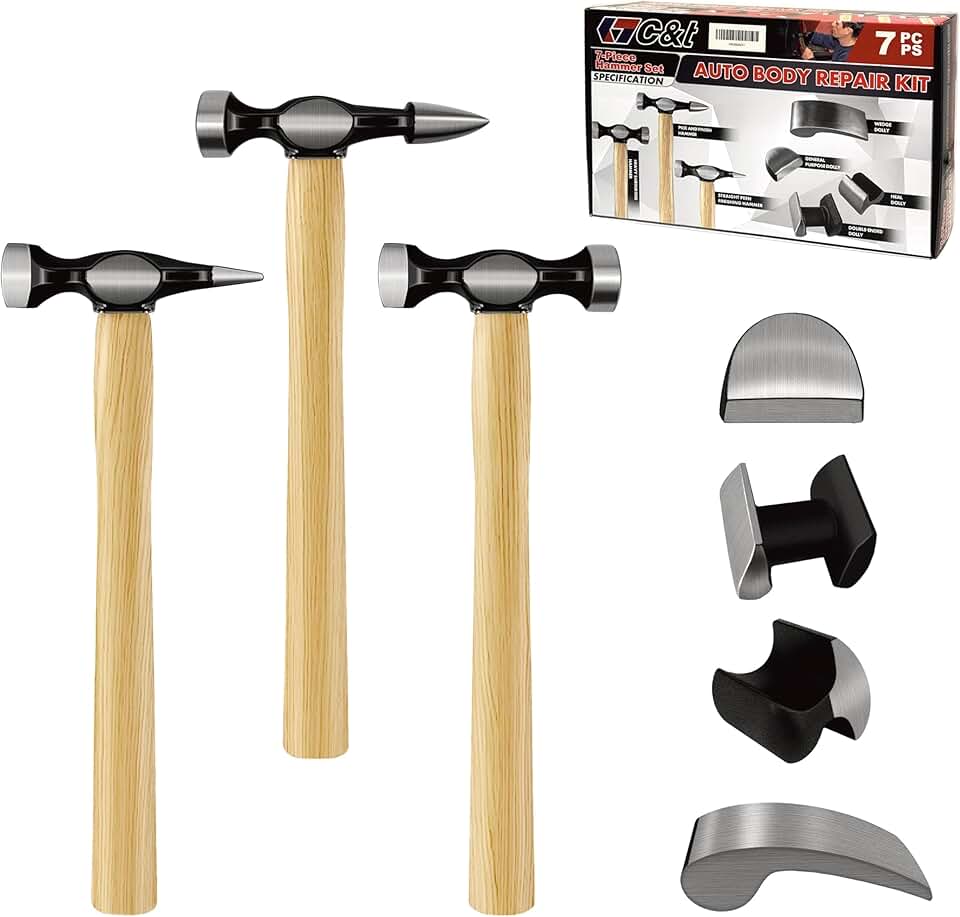
DIY dent repair kits are effective tools for minor, shallow dents on flat panels, but they have strict physical limits. If the paint is cracked, chipped, or peeled, a pull-tab kit cannot restore the finish. These kits manipulate metal from the outside; they cannot fill gaps or blend colors. Attempting to cover damaged paint with a kit will only highlight the flaw, leaving you with a worse problem than before.
Damage near panel edges, body lines, or creases is also beyond the scope of home repair. The metal in these areas is reinforced and stiff. Pulling on these spots often causes the surrounding metal to ripple or stretch further, creating a larger area of distortion. A professional technician uses specialized tools to work the metal back into its original shape without damaging the surrounding structure.
If you are unsure whether a dent is suitable for a DIY approach, consult the experts at AutoBodyRX. We specialize in paintless dent repair and can assess whether your damage is minor enough for a kit or requires professional intervention. Trying to force a repair on complex damage usually leads to costly mistakes that require full panel replacement.
Common questions about DIY dent repair
Many drivers hesitate to try DIY dent removal because they worry about the cost of professional help or the complexity of the work. At AutoBodyRX, we believe understanding these basics helps you decide if a kit under $50 is right for your specific damage. The goal is to save money on minor cosmetic fixes without risking further damage to your vehicle's finish.
How much does car body work usually cost?
Professional auto body repairs vary widely, typically ranging from $500 to over $6,000 depending on the severity of the damage. Minor cosmetic issues like small dings are on the lower end, while extensive structural repairs cost significantly more. DIY kits offer a fraction of that price for simple dents.
Can I fix dents without painting?
Yes, many DIY kits use suction or glue-pulling methods that do not require paint. If the dent hasn't cracked the clear coat or paint, you can often restore the metal's shape without touching a brush. Always inspect the paint integrity before starting any repair process.
What is the role of an auto body technician?
Technicians repair and replace damaged vehicle structures, body parts, and finishes. While they handle complex structural and paint work, your DIY kit handles the light cosmetic touches. Knowing the difference helps you avoid attempting repairs that require professional tools and expertise.
No comments yet. Be the first to share your thoughts!