

Winter Car Damage Prevention: 5 Essential Tips to Protect Your Vehicle from Salt, Ice, and Cold Weather - Part 1
Winter weather can be brutal on your vehicle, causing everything from paint damage to mechanical failures. At AutoBodyRX, we've seen firsthand how harsh winter conditions can lead to costly automotive repair bills that could have been prevented with proper vehicle maintenance. Road salt, freezing temperatures, and ice create a perfect storm of conditions that can accelerate corrosion, damage paint, and compromise your vehicle's safety systems.
Understanding winter car damage is the first step in protecting your investment. Salt used for de-icing roads contains sodium chloride and other chemicals that, while effective at melting ice, are highly corrosive to metal surfaces. When combined with moisture and fluctuating temperatures, these substances can cause rust to form rapidly on your vehicle's undercarriage, body panels, and brake components.
The financial impact of winter damage extends far beyond cosmetic issues. According to automotive industry data, winter-related vehicle damage can cost car owners thousands of dollars annually in repairs. Rust damage alone can compromise structural integrity, while neglected maintenance during cold months often leads to brake system failures, tire damage, and engine problems that require extensive automotive repair services.
Essential Winter Car Care Tips: Your First Line of Defense
Protecting your vehicle from winter car damage requires a proactive approach to car care tips and consistent vehicle maintenance practices. The following strategies form the foundation of effective winter vehicle protection:
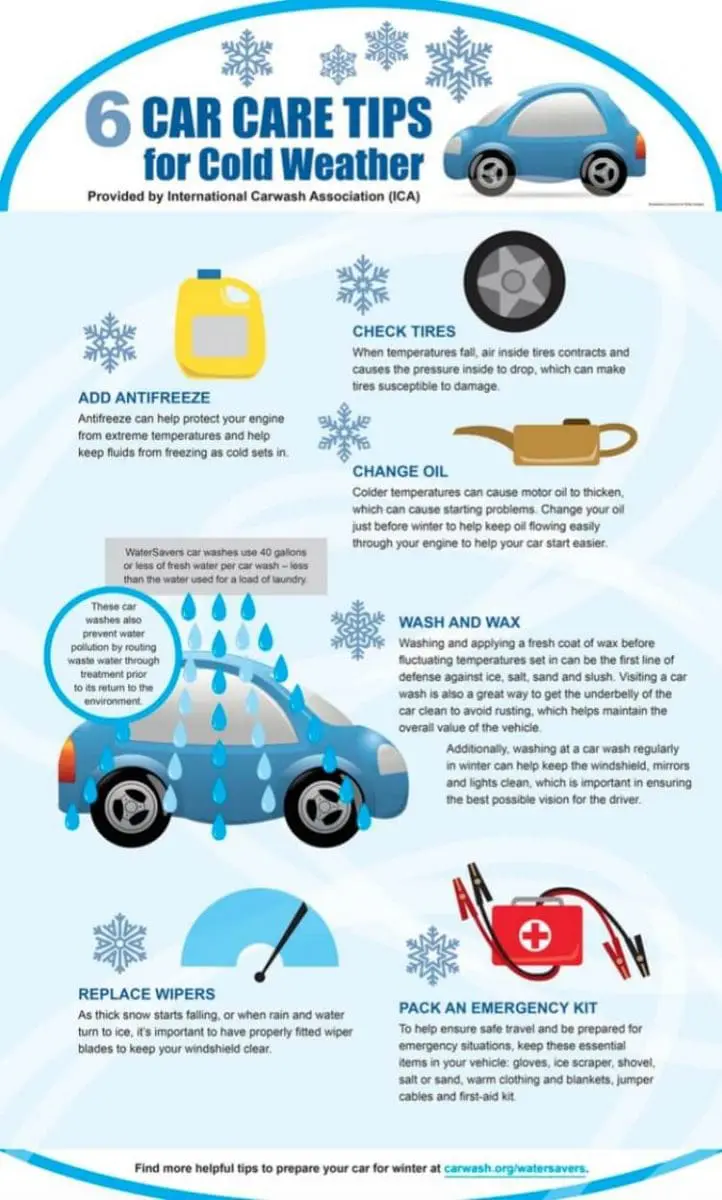
1. Implement a Regular Washing and Protection Schedule
Frequent washing is your most powerful weapon against salt-induced corrosion. Road salt begins attacking your vehicle's metal surfaces immediately upon contact, making regular removal essential for preventing long-term damage.
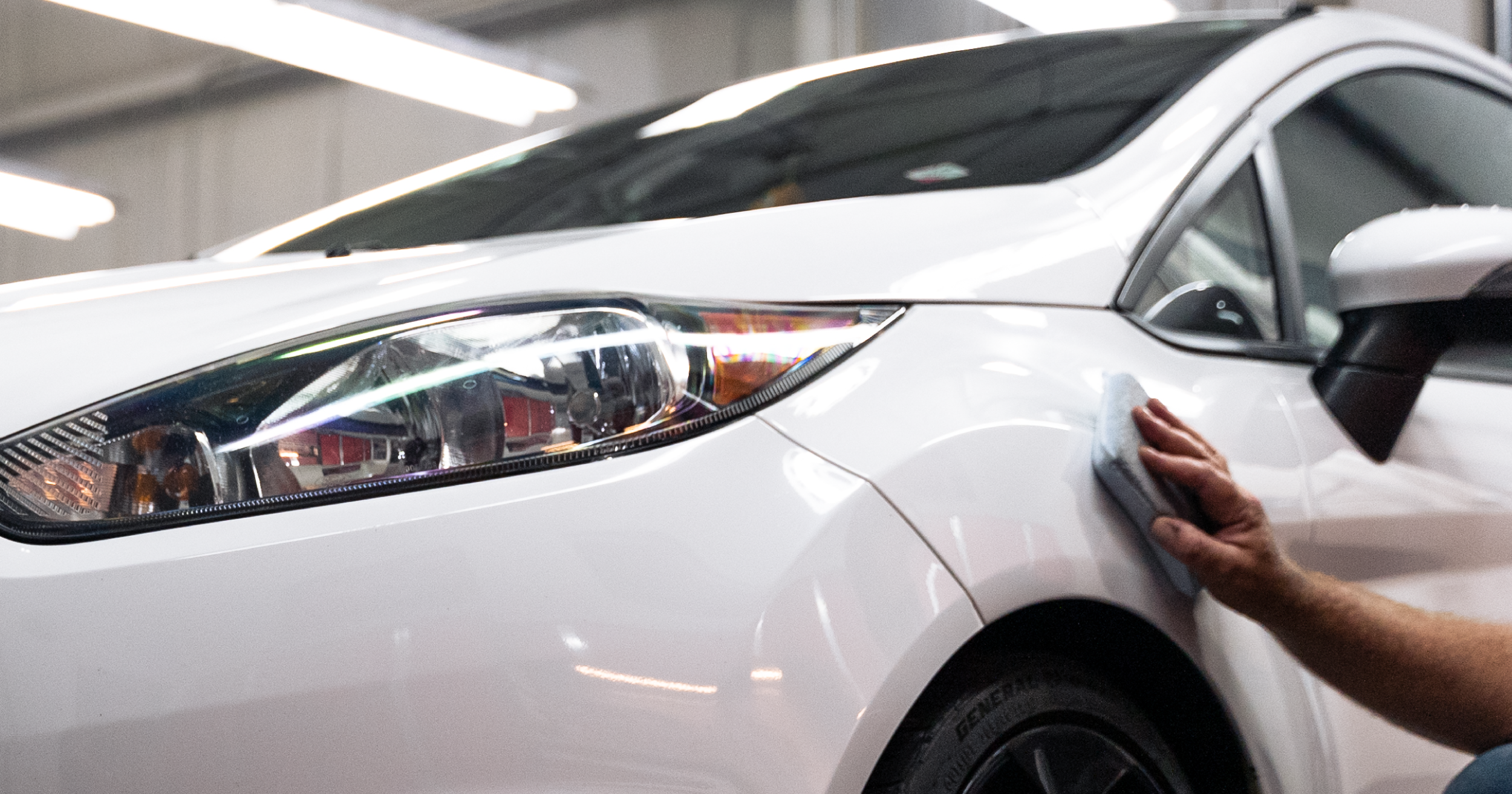
Focus particularly on the undercarriage, where salt accumulates most heavily. Many car washes offer undercarriage spray services specifically designed to remove salt deposits from hard-to-reach areas. After washing, apply a high-quality automotive wax to create a protective barrier between your paint and the harsh elements.
2. Master Proper Tire Care and Maintenance
Cold temperatures cause tire pressure to drop approximately 1-2 PSI for every 10-degree temperature decrease. This pressure loss reduces traction, increases tire wear, and can compromise your vehicle's handling in already dangerous winter conditions.
Check tire pressure weekly during winter months, and always measure when tires are cold for accurate readings. Proper tread depth is equally critical - tires should have at least 4/32 inches of tread depth for adequate winter traction, though 6/32 inches or more is recommended for optimal safety.
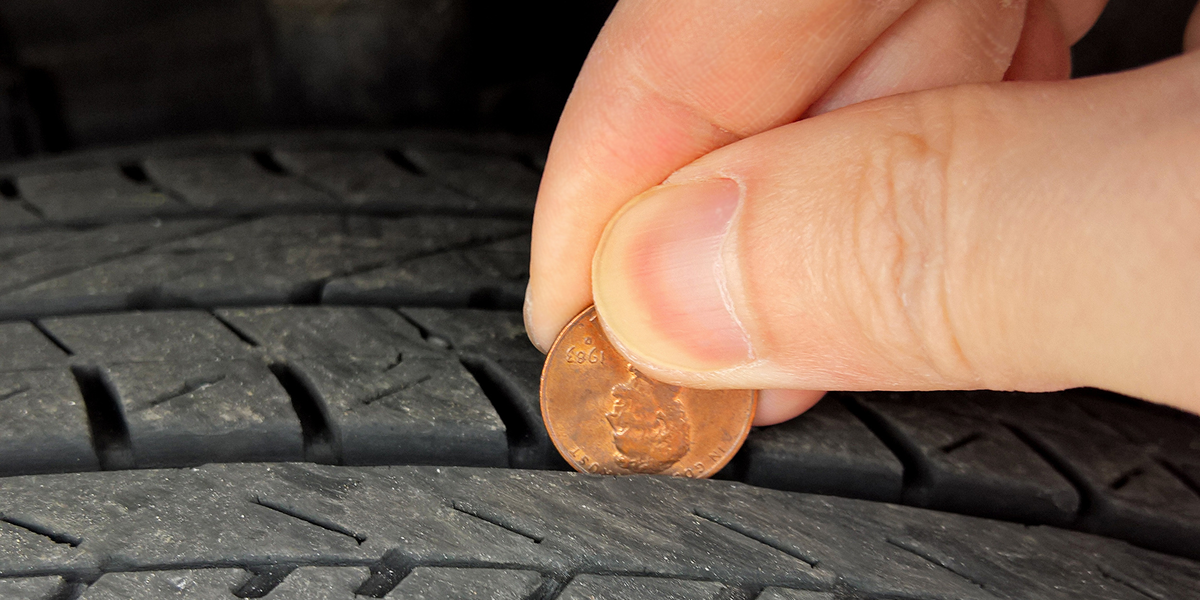
Consider investing in a quality tire pressure gauge to monitor your tires consistently. Digital gauges provide more accurate readings than traditional stick gauges and are easier to use in cold weather conditions.
Winter tires or all-season tires with good winter ratings can significantly improve your vehicle's performance in snow and ice. The rubber compounds in winter tires remain flexible at low temperatures, providing better grip than standard tires that become rigid in cold weather.
Understanding the Science Behind Winter Damage
The destructive power of winter conditions stems from the chemical and physical processes that occur when salt, moisture, and temperature fluctuations interact with your vehicle's materials. Salt acts as a catalyst for oxidation, accelerating the rusting process that naturally occurs when iron and oxygen combine in the presence of water.
Temperature cycling - the repeated freezing and thawing that occurs throughout winter - creates expansion and contraction in your vehicle's materials. This process can cause paint to crack, seals to fail, and small rust spots to expand into major corrosion problems.
At AutoBodyRX, our automotive repair specialists recommend viewing winter car care as an investment in your vehicle's longevity rather than an optional expense. The cost of preventive maintenance is always significantly lower than the expense of major repairs caused by neglected winter damage.
Winter Car Damage Prevention: 5 Essential Tips to Protect Your Vehicle from Salt, Ice, and Cold Weather - Part 2
Continuing from our previous discussion on vehicle maintenance during harsh winter conditions, let's explore the remaining essential tips that will help protect your vehicle from costly winter damage. These strategies are particularly important for maintaining your car's performance and preventing the need for extensive automotive repair services.
3. Protect Your Vehicle's Battery and Electrical System
Cold temperatures significantly impact your car's battery performance, reducing its capacity by up to 50% in freezing conditions. The chemical reactions within the battery slow down, making it harder to start your engine and power electrical components effectively.
Start by inspecting your battery terminals for corrosion, which appears as white or greenish buildup around the connections. Clean any corrosion using a mixture of baking soda and water, then apply petroleum jelly to prevent future buildup. Check that all connections are tight and secure, as loose connections can cause starting problems and electrical issues.
Consider having your battery tested at AutoBodyRX or your local automotive repair shop to ensure it can handle winter demands. If your battery is more than three years old, it may be wise to replace it before the coldest months arrive. Keep jumper cables in your vehicle as a backup, and consider investing in a portable battery charger for emergency situations.
4. Maintain Proper Fluid Levels and Quality
Winter weather places additional stress on your vehicle's fluids, making proper maintenance crucial for preventing damage and ensuring reliable operation. Cold temperatures can thicken fluids, reducing their effectiveness and potentially causing system failures.
Engine oil becomes thicker in cold weather, making it harder for your engine to turn over and reducing lubrication efficiency. Consider switching to a lower viscosity oil recommended for winter conditions, such as 5W-30 instead of 10W-30. This change helps ensure proper lubrication during cold starts and reduces engine wear.
Check your antifreeze levels and concentration using a hydrometer or test strips. The coolant should be a 50/50 mixture of antifreeze and water to prevent freezing down to approximately -34°F. If your coolant appears rusty or contaminated, flush the system and replace it with fresh antifreeze.
Don't overlook your windshield washer fluid, which should be rated for temperatures well below your area's expected lows. Regular washer fluid can freeze in the lines and reservoir, potentially causing damage to the washer pump and lines.
5. Implement Comprehensive Interior and Exterior Protection
Protecting both the interior and exterior of your vehicle requires a multi-faceted approach that addresses the unique challenges winter weather presents. Salt, moisture, and temperature fluctuations can cause significant damage if not properly managed.
For exterior protection, apply a high-quality car wax before winter begins, creating a barrier against salt and moisture. Consider using a paint sealant for longer-lasting protection. Pay special attention to areas prone to rust, such as wheel wells, door frames, and the lower portions of doors and panels.
Interior protection is equally important, as wet boots and clothing can introduce moisture that leads to mold, mildew, and unpleasant odors. Install all-weather floor mats that can contain moisture and are easy to clean. These mats protect your vehicle's carpeting from salt stains and water damage.
Use seat covers if you frequently wear wet or dirty winter clothing, and consider applying a fabric protector to upholstery. Keep moisture absorbers or silica gel packets in your vehicle to reduce humidity levels and prevent condensation buildup on windows.
Creating Your Winter Vehicle Maintenance Schedule
Successful winter car damage prevention requires consistent attention throughout the cold months. Establish a regular maintenance routine that includes weekly visual inspections and monthly detailed checks.
Remember that prevention is always more cost-effective than repair. The automotive repair specialists at AutoBodyRX recommend addressing small issues immediately before they become major problems. Regular maintenance not only prevents damage but also ensures your vehicle remains reliable during challenging winter driving conditions.
By following these comprehensive car care tips, you'll significantly reduce the risk of winter-related vehicle damage and extend your car's lifespan. Consistent vehicle maintenance during winter months is an investment in your safety and your vehicle's long-term value.
No comments yet. Be the first to share your thoughts!