

Autobodyrx choices that change the plan
2026 guide: DIY Car Dents vs. Professional Repair — Save Money Without Compromising Safety troubleshooting should start with a clear boundary: what is actually broken, and what still works normally. Check the display, network connection, paired devices, app access, and recent updates before assuming the whole system needs a reset. A small connection failure can make the main screen feel unreliable even when the core system is fine. Work from low-risk checks to deeper resets. Confirm power state, safe parking, account access, and signal first. Then restart the interface, wait for it to reload completely, and test the original symptom. Avoid changing multiple settings at once because that makes it harder to know which step actually fixed the problem. If the issue affects safety information, repeats after every restart, or appears with warning messages, treat the reset as a temporary diagnostic step rather than the final fix. Document the symptom and move to official support instead of stacking more DIY attempts.
| Factor | What to check | Why it matters |
|---|---|---|
| Fit | Match the option to the primary use case. | A good deal still fails if it does not fit the job. |
| Condition | Verify age, wear, and service history. | Hidden condition issues erase upfront savings. |
| Cost | Compare purchase price with likely upkeep. | The cheapest option is not always the lowest-cost option. |
Where each repair option wins
Choosing between DIY and professional dent repair comes down to matching the damage type and your risk tolerance. There is no universal winner; the right choice depends on whether you prioritize cost savings or preserving factory paint integrity.
DIY repair: Small dings and flat panels
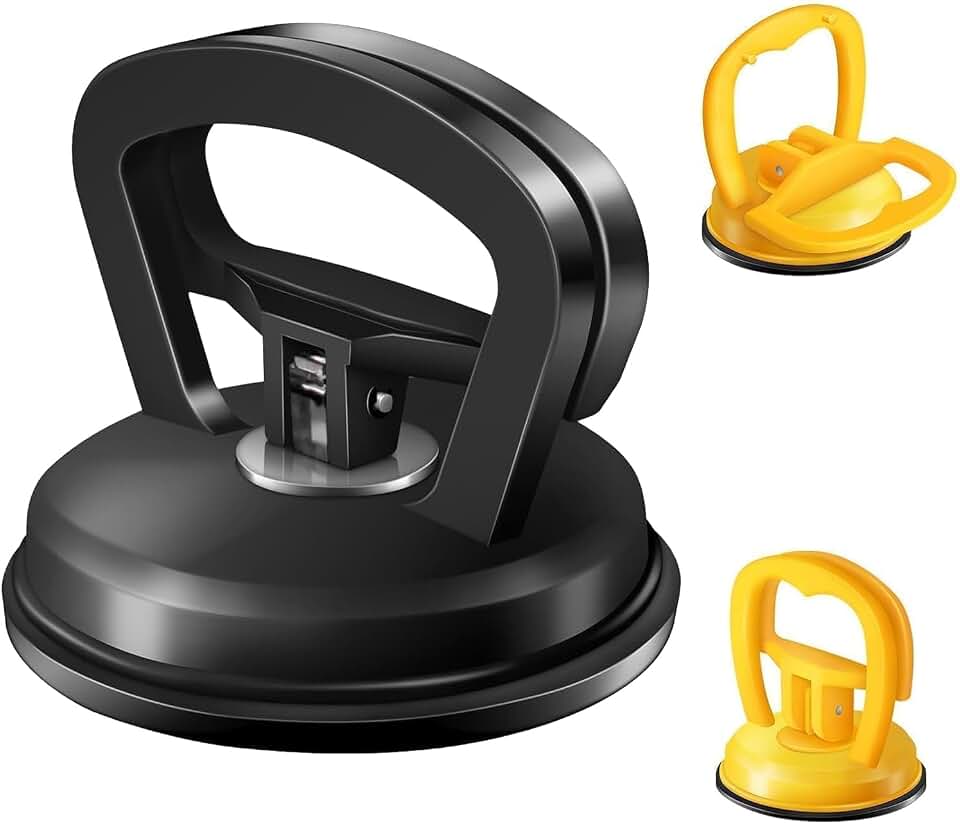
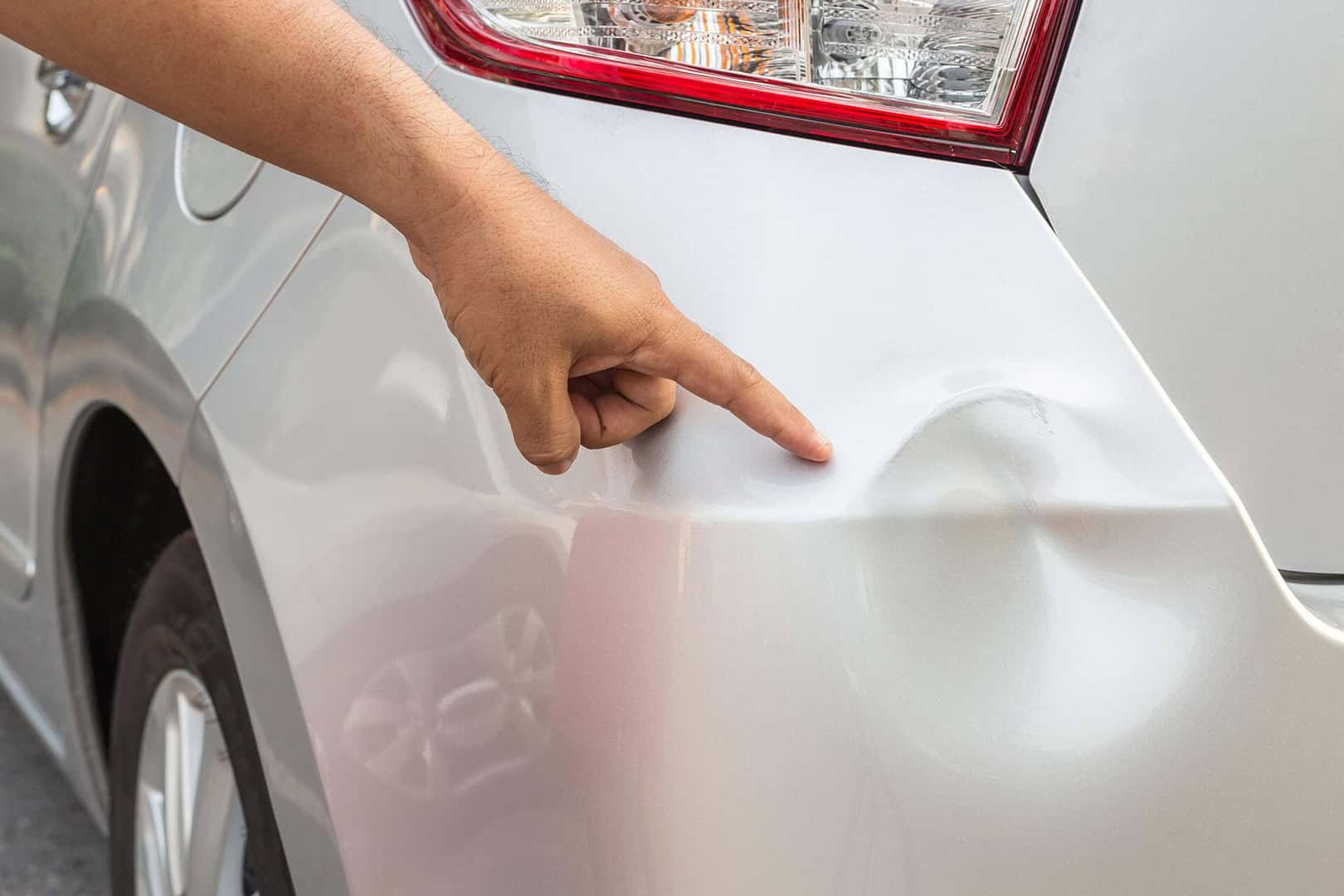
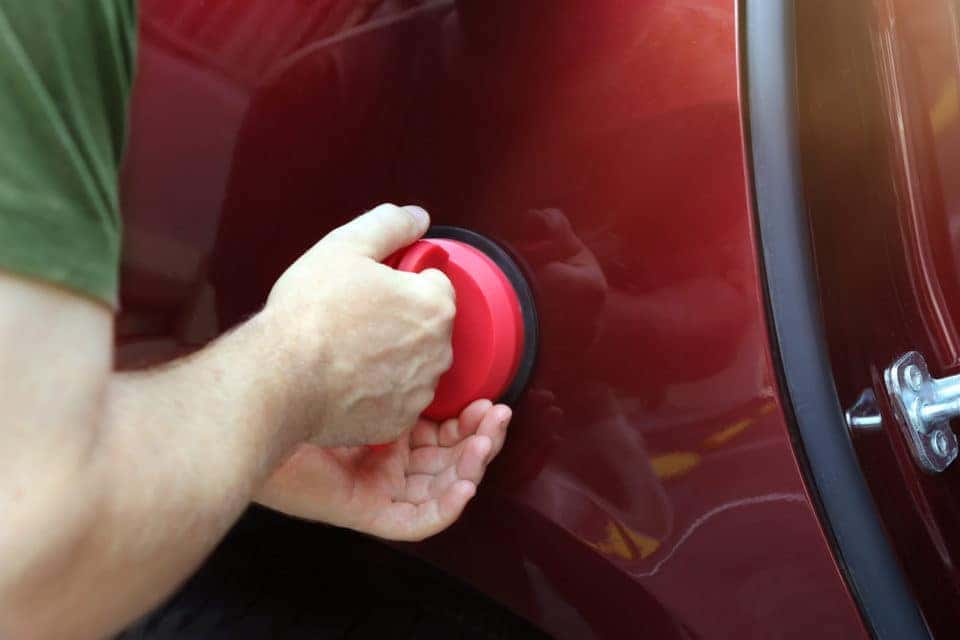
DIY kits work best for shallow dents on large, flat surfaces like doors or hoods where metal has enough flexibility to pop back out. These methods are cost-effective for minor damage but carry a high risk of marring the paint if you use excessive heat or force. This approach is suitable for older vehicles where resale value is not a primary concern, or for temporary fixes before a full body shop visit.
Professional repair: Complex damage and paint preservation
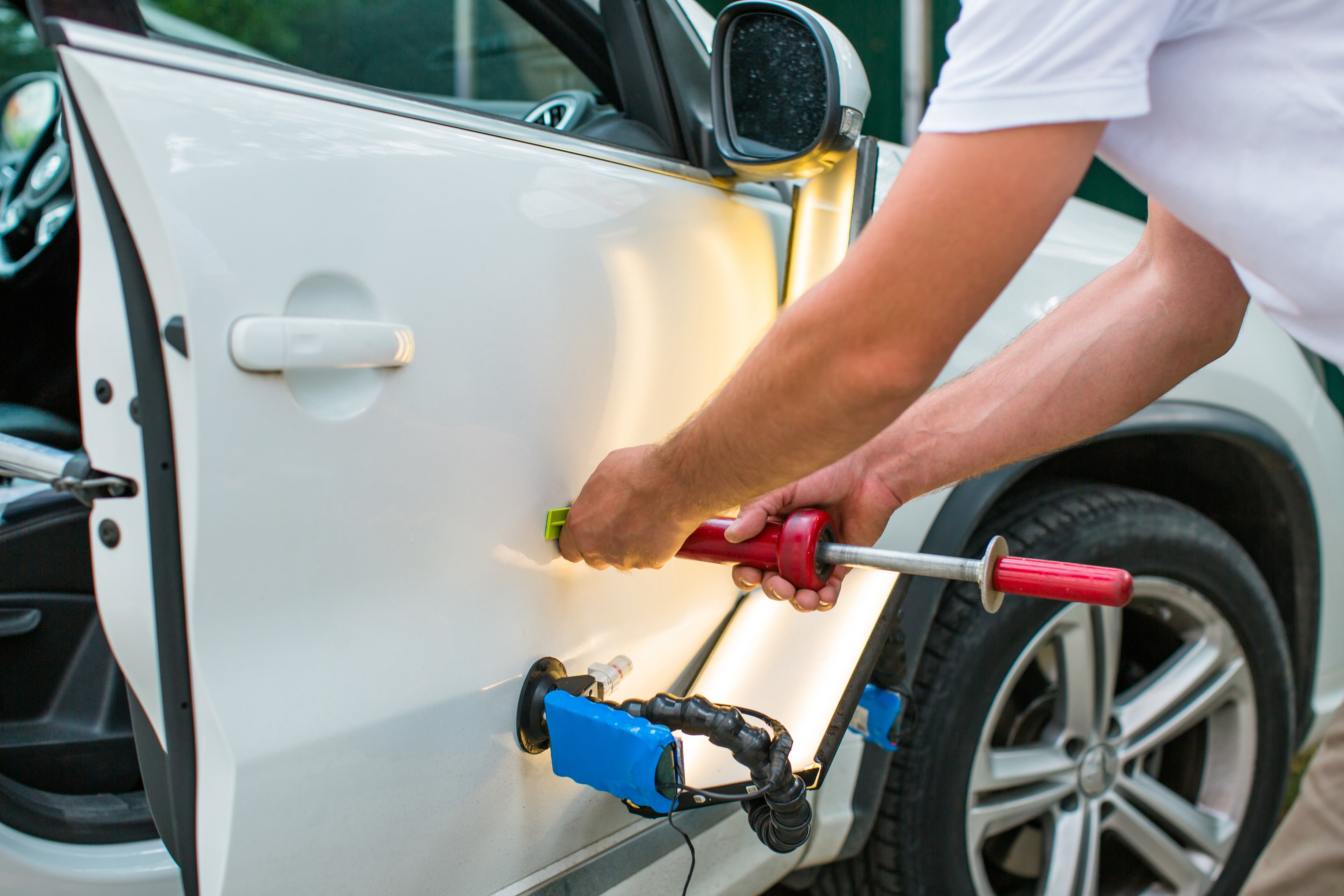
Professional technicians use paintless dent repair (PDR) or traditional bodywork for complex creases, sharp folds, or dents on body lines. These methods preserve the original factory finish, which is critical for maintaining vehicle value and preventing rust. If the dent is near an edge, over a weld seam, or if the paint is cracked, professional intervention is the only safe option to avoid structural or cosmetic compromise.
| Feature | DIY Repair | Professional Repair |
|---|---|---|
| Best for | Shallow dents on flat panels | Creases, body lines, and paint damage |
| Cost | Low ($10-$50) | Moderate to High ($50-$150+) |
| Paint risk | High if mishandled | None (preserves factory finish) |
| Time | 1-3 hours | 30 mins - 2 days |


As an Amazon Associate, we may earn from qualifying purchases.
Details worth checking
Before you commit to a DIY approach or book a professional shop, verify these specific constraints. The line between a simple fix and a costly mistake often comes down to paint integrity, structural safety, and warranty terms.
Cracked, peeling, or faded clear coat will not repair cleanly. DIY kits and even professional paintless dent removal (PDR) require intact paint to pull or blend the metal. If the surface is compromised, standard body filler and repainting are the only viable paths, which immediately disqualifies many minor dent scenarios.
Dents on double-layered panels, door edges, or near sharp body lines are notoriously difficult to fix. The metal is stretched and hardened, making it prone to cracking if pulled. If the dent sits directly over a weld seam or internal brace, DIY tools cannot reach the backside, and professional intervention is usually the only option.
If a dent was previously filled with body filler or Bondo, pulling it can cause the filler to crack or pop out. This creates a larger mess than the original damage. Always inspect the panel for uneven texture or previous patch jobs before attempting any repair, as these areas require specialized sanding and repainting.
Filing a claim for a minor dent often costs more in future premium increases than the repair itself. Check your deductible amount against the estimated repair cost. If the repair is under your deductible, DIY or a cash-pay shop is financially smarter. If the damage affects safety features or structural integrity, professional assessment is mandatory regardless of cost.
Auto body rx: what to check next
Before you commit to a repair method, it helps to understand how professional shops evaluate damage. Auto Body RX operates on a model that distinguishes clearly between surface-level cosmetic fixes and deep structural damage. Their approach prioritizes safety and long-term integrity, meaning they will refer you elsewhere if the dent compromises the vehicle's frame or safety features.
Can I safely remove dents myself?
DIY kits work best on shallow, smooth dents where the metal hasn't cracked or creased. If the dent is on a body line or near an edge, the metal is too hardened for home tools. Attempting to pull these often stretches the panel further, turning a $150 repair into a $600 one. If you are unsure, a professional inspection is worth the cost.
How much does professional repair cost?
Prices vary significantly based on location and severity. Paintless dent removal (PDR) typically ranges from $50 to $150 per dent, while traditional bodywork with painting can exceed $500. Auto Body RX in Montgomery, AL, offers estimates that reflect local labor rates. Always get multiple quotes, as insurance often covers collision-related damage.
Will DIY dent repair affect my insurance or resale value?
Minor DIY fixes rarely impact insurance claims unless they cause further damage that requires professional correction. However, visible poor-quality repairs can lower resale value. Professional repairs come with warranties and documented history, which buyers prefer. If the dent is large or on a high-visibility panel, professional work protects your investment.
When should I choose professional repair over DIY?
Choose professional repair if the dent is on a crease, involves paint damage, or is near sensors and safety equipment. Auto Body RX specializes in cases where DIY tools fall short. If the metal is stretched or the paint is cracked, only professional techniques can restore the panel without compromising its structural integrity.
No comments yet. Be the first to share your thoughts!