


DIY car dent removal vs professional leather seat repair
Repairing a car dent yourself costs pennies in materials but demands patience and steady hands. Fixing a torn leather seat usually requires specialized tools, adhesives, and a steady eye for color matching that is hard to replicate without training. The choice often comes down to whether the damage is cosmetic or structural, and whether you value your time or your wallet.
Professional services like AutoBodyRX handle complex interior repairs and paintless dent removal with factory-grade precision. They use heat guns, specialized stitches, and industrial adhesives that rarely last when applied with consumer-grade kits. DIY kits often leave visible seams or mismatched textures that reduce resale value.
Comparison table
The table below outlines the core tradeoffs between handling these repairs yourself versus hiring a pro.
| Feature | DIY Dent/Leather | Professional Service |
|---|---|---|
| Upfront Cost | $15–$50 per kit | $150–$500+ per repair |
| Skill Required | Moderate to High | None (handled by tech) |
| Time Investment | 2–6 hours per panel | 2–4 hours total |
| Warranty | None (your risk) | 12 months or lifetime |
| Resale Value | May lower value if done poorly | Preserves or increases value |
When to DIY
Buying a $20 dent puller or a leather repair kit makes sense for small, shallow dents on flat panels or minor scuffs on seats that won’t be seen. If you have time to practice on a junkyard part first, the learning curve is manageable. However, avoid DIY on high-visibility areas like the hood or driver’s seat bolsters. A botched repair is harder to fix later than leaving the damage alone.
When to hire a pro
Hire a professional for deep creases, paint damage, or torn leather on structural seams. Professionals have access to industrial-grade adhesives and color-matching technology that DIY kits lack. They also offer warranties, meaning if the repair fails, they fix it for free. For daily drivers, the peace of mind and aesthetic quality usually justify the higher upfront cost.
Where each option wins
Choosing between DIY dent removal and professional leather seat repair comes down to the type of damage and your comfort with tools. While both tasks are common, they require different skill sets and carry different risks. A minor ding is often a quick weekend project, but leather damage can quickly become a permanent eyesore if handled incorrectly.
DIY Dent Removal: Best for Minor Dings
DIY dent removal is the most cost-effective choice for small, shallow dents where the paint is intact. These repairs typically involve using a plunger, suction cup, or a hot glue pull kit to massage the metal back into shape. It works best on door panels, hoods, or fenders where the metal is accessible and not creased.
The trade-off is time and patience. You may need to repeat the process several times to get a smooth finish, and there is a risk of stretching the metal if you pull too hard. However, for a $50–$100 investment in tools, you can save hundreds on a body shop visit for a simple dent.
Professional Leather Repair: Best for Tears and Scuffs
Leather seat repair is rarely a DIY-friendly task. Unlike metal, leather requires specialized adhesives, dyes, and texture matching to look natural. A DIY patch or dye job often looks obvious and can make the seat look worse, reducing your car’s resale value. Professional repair ensures color blending and texture matching that is nearly invisible.
If you have a tear, burn, or significant scuff, professional repair is the only reliable option. The cost is higher, but it restores the seat’s integrity and appearance. Attempting to fix this yourself without experience usually results in a mismatched patch that stands out under sunlight.
| Feature | DIY Dent Removal | Pro Leather Repair |
|---|---|---|
| Cost | $50–$150 (tools) | $150–$400 per seat |
| Skill Level | Beginner to Intermediate | Professional Only |
| Risk | Paint damage, metal stretch | Minimal with pros |
| Best For | Small, shallow dents | Tears, burns, scuffs |


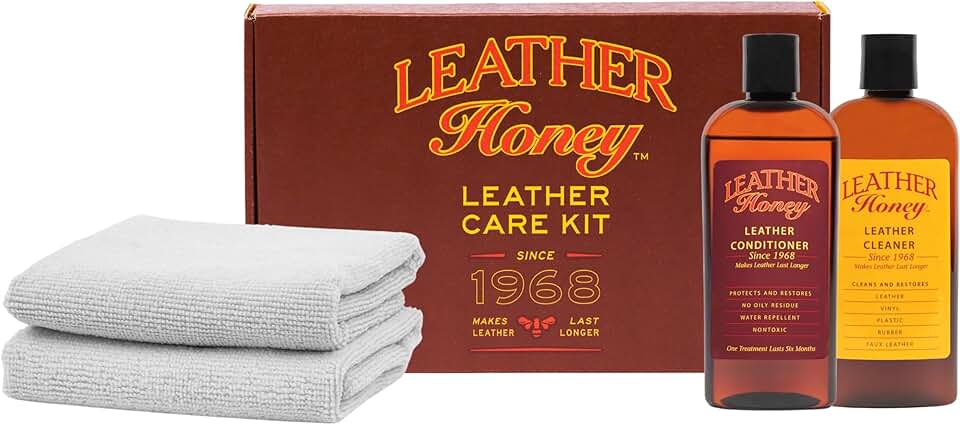
As an Amazon Associate, we may earn from qualifying purchases.
Details Worth Checking
Before committing to DIY dent removal or professional leather repair, verify the scope of work and potential risks. DIY methods like heat guns or plunger kits carry a high chance of damaging paint or stripping clear coats if applied incorrectly. Professional services offer warranties, but exclusions often apply to pre-existing damage or improper vehicle maintenance.
DIY Dent Removal Risks
- Paint Damage: High heat from hair dryers or heat guns can blister paint or melt plastic trim. Always test on a small, hidden area first.
- Structural Weakness: Pulling dents from the outside without proper support can weaken the metal, leading to rust or further cracking.
- Tool Limitations: Consumer-grade glue pullers often lack the strength for deep dents, potentially leaving visible imperfections.
Professional Repair Considerations
- Warranty Exclusions: Most shops exclude damage caused by subsequent accidents or improper care after repair. Read the fine print.
- Color Matching: Factory paint codes age. Professional color matching is essential to avoid visible patches, especially on older vehicles.
- Leather Conditioning: Repaired leather may require specific conditioners to prevent future cracking. Ask if post-repair maintenance is included.
Verification Checklist
- Inspect for Rust: DIY repairs on rusted panels are often temporary. Professional assessment is needed for structural integrity.
- Check Warranty Terms: Ensure the warranty covers both labor and materials for the specific repair type.
- Verify Technician Certifications: For leather work, look for IPI (International Producers of Leather) or similar industry certifications.
- Review Before Payment: Take photos of the repair area before and after to document the work for future reference.
Autobodyrx: what to check next
Before hiring a professional or attempting a DIY fix, it helps to understand the scope of work and what to expect from a shop like AutoBodyRX. Here are the most common questions we get from owners deciding between a home repair kit and professional service.
The choice between DIY and professional repair often comes down to the severity of the damage. Small, shallow dents and minor scuffs are manageable with home kits, but deep creases and torn leather require specialized tools and materials that shops like AutoBodyRX provide.
No comments yet. Be the first to share your thoughts!