

Get AutoBodyRX Right
Before tackling the leather or metal, you need the right baseline. AutoBodyRX isn't just a brand name; it's a specific ecosystem of tools and materials designed to work together. Using their dedicated kits ensures the dyes bond correctly and the dent-pulling adhesives hold under stress. Mixing generic supplies often leads to mismatched colors or weak repairs that fail when the summer heat hits.
Start by checking your inventory against the official AutoBodyRX checklist. You'll need the specific heat gun for leather conditioning and the specialized glue for dent tabs. If you're missing a single component, like the smoothing block or the UV protectant, the repair won't last. Don't skip the surface prep materials either; leather needs to be stripped of old conditioners before new dye can penetrate.
The process is straightforward if you follow the sequence. First, clean and prep the surface. Then, apply the repair material in thin layers, curing between each. Finally, seal and protect. Trying to rush this order or skip the curing time is the most common mistake DIYers make. Take your time, and the results will hold up against the summer heat.
Work through the steps
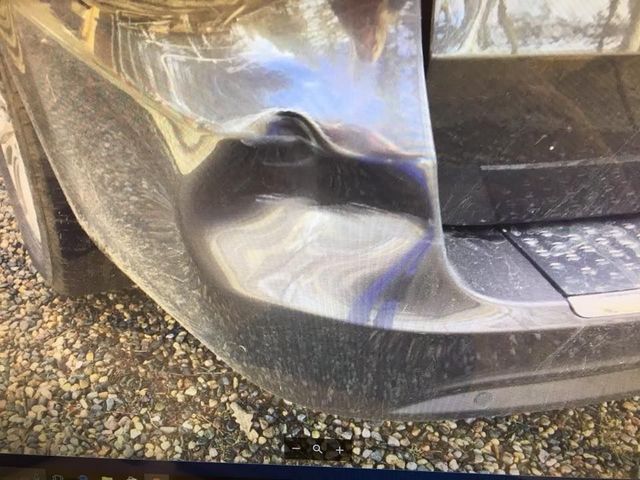
Troubleshooting should start with a clear boundary: what is actually broken, and what still works normally. Check the leather condition, surface integrity, and dent depth before assuming the whole seat needs replacement. A small surface scuff can make the seat look ruined even when the structural foam is fine.
Work from low-risk checks to deeper repairs. Confirm the material type, clean the surface, and test adhesion first. Then apply the repair compound, wait for it to cure completely, and test the original symptom. Avoid changing multiple settings at once because that makes it harder to know which step actually fixed the problem.
If the issue affects safety information, repeats after every restart, or appears with warning messages, treat the reset as a temporary diagnostic step rather than the final fix. Document the symptom and move to official support instead of stacking more DIY attempts.
-
Park and note the symptomPut the vehicle in a safe idle state, then write down whether the leather is cracked, the dent is visible, or the material is peeling.
-
Try the normal restart firstUse the standard screen or interface restart before changing settings, deleting profiles, or disconnecting accessories.
-
Retest one feature at a timeCheck touch response, audio, navigation, phone pairing, Wi-Fi, and app access separately so the failing path is clear.
-
Escalate repeated failuresContact official support when the screen stays black, warnings appear, or the same issue returns after a clean restart.
Fix common mistakes
Even with the right tools, DIY repairs often fail because of skipped preparation or rushed application. Before you touch the leather or the dent, check these three common pitfalls.
Skipping the prep work
Most leather repairs fail because the surface isn't properly cleaned. Applying dye or filler over dirt, oils, or old conditioners creates a weak bond that peels off within weeks. Always use a dedicated leather cleaner and let the material dry completely before applying any patch or colorant. If you skip this step, the repair will look patchy and won't last.
Using the wrong heat
When fixing dents or working with leather adhesives, heat is essential—but too much heat destroys the material. High heat can scorch leather, causing it to stiffen and crack, especially as summer temperatures rise. Use a heat gun on a low setting or a hair dryer, and keep it moving constantly. If the leather feels hot to the touch, you are already damaging it.
Ignoring the grain pattern
Leather has a natural grain that runs in specific directions. If you apply a repair compound or dye against the grain, the texture will look obvious and artificial. Smooth the compound in the direction of the leather's natural lines. Blend the edges carefully so the repair disappears into the surrounding material. This attention to detail makes the difference between a visible patch and a seamless fix.
Autobodyrx: what to check next
Before you start patching leather or hammering out dents, it helps to know what AutoBodyRX actually offers. The company, based in Alabama, specializes in collision repair, automotive painting, and interior work like seat restoration. They handle the heavy lifting for structural and aesthetic damage, but they don’t publish detailed DIY pricing or specific part catalogs online.
Here are the practical answers to common questions about their services and how they compare to a summer prep DIY project.
The bottom line: AutoBodyRX is a hands-on repair shop. If your goal is a quick, low-cost DIY fix for summer prep, you’ll need to buy your own supplies and follow the steps in this guide. If the damage is severe or requires professional paint matching, their in-shop services are the right path.
Work through the guide
No comments yet. Be the first to share your thoughts!