
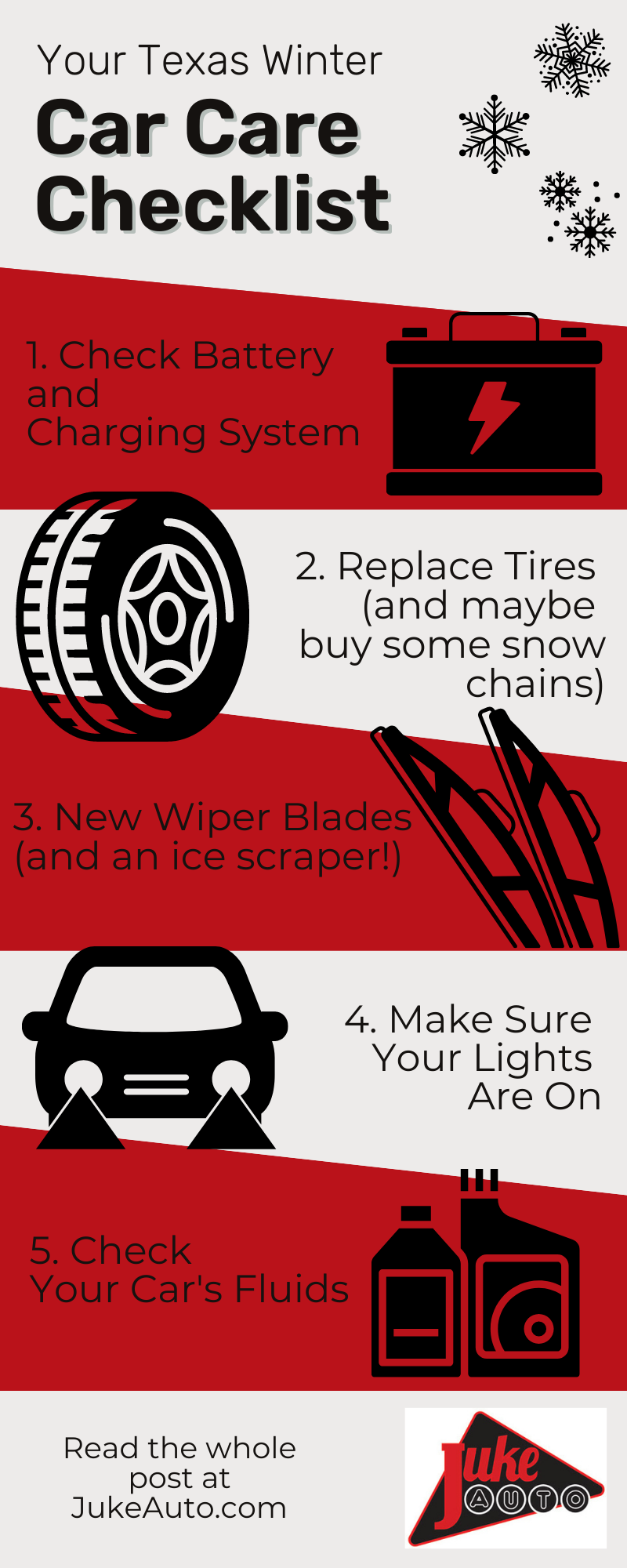
Beat the Freeze: Why Winter Car Care is Non-Negotiable
As temperatures drop, your vehicle faces a unique set of challenges. Winter driving conditions put significant stress on various components, from the battery and tires to fluids and visibility systems. Neglecting routine winter car care can lead to unexpected breakdowns, costly automotive repair bills, and potentially dangerous situations on the road.
Cold weather impacts your car in several ways. Battery performance diminishes, tire pressure decreases, fluids thicken, and the risk of corrosion increases. These factors can all contribute to car problems if preventative measures aren't taken. A proactive approach to vehicle maintenance is essential for ensuring reliability and safety throughout the winter months.
The cost of preventative maintenance is almost always less than the cost of repairing damage caused by neglect. Replacing a battery before it fails in sub-zero temperatures is far cheaper than being stranded and needing a tow. Similarly, investing in a set of winter tires can prevent accidents and save you money on potential collision repairs.
This guide provides a comprehensive winter car care checklist to help you prepare your vehicle for the challenges ahead. We'll cover essential maintenance tasks, emergency preparedness, and safe driving practices, empowering you to navigate the winter season with confidence.
Power Up: Protecting Your Battery in Sub-Zero Temperatures
Your car’s battery is arguably the most vulnerable component during winter. The chemical reactions within a battery slow down considerably in cold temperatures, reducing its ability to deliver the necessary power to start the engine. A fully charged battery at 20°F can lose about 50% of its cranking power, making it difficult, or even impossible, to start your vehicle.
The best way to assess your battery's health is through testing. You can use a simple DIY battery tester, available at most auto parts stores like AutoZone or Advance Auto Parts, to get a basic reading. However, a professional battery test, performed at a shop like Firestone or a local mechanic, provides a more accurate and comprehensive evaluation of your battery’s condition, including its cold-cranking amps (CCA) and overall health.
If your battery is weak or nearing the end of its lifespan (typically 3-5 years), consider replacing it before winter arrives. For those living in extremely cold climates, a battery warmer or blanket can provide supplemental heat and help maintain optimal battery performance. These devices plug into a standard outlet and wrap around the battery, keeping it warm during extended periods of inactivity.
Battery lifespan is significantly impacted by climate. Batteries in colder regions tend to fail sooner than those in warmer areas. Regular testing, cleaning of corrosion from the terminals, and ensuring a secure connection can all help extend your battery’s life. A fully charged battery is also less susceptible to freezing, which can cause permanent damage.
- Use a DIY battery tester for a quick check.
- Schedule a professional battery test.
- Consider a battery warmer if you live in a very cold climate.
- Replace a weak or old battery before winter.
Tires & Traction: Ensuring Grip in Snow, Ice, and Slush
Tire tread depth is critical for maintaining traction on snow-covered or icy roads. As tires wear down, their ability to grip decreases significantly. The ‘penny test’ – inserting a penny upside down into the tread grooves – is a quick way to check. If you can see all of Lincoln’s head, your tires are dangerously worn and need replacing. A minimum tread depth of 6/32” is recommended for winter driving, though 8/32” or more is ideal.
There are three main types of tires: all-season, winter (also known as snow tires), and performance tires. All-season tires offer a compromise between dry and wet performance, but they lose effectiveness in deep snow and ice. Winter tires are specifically designed with a unique rubber compound and tread pattern to provide superior grip in cold temperatures and snowy conditions. Performance tires are built for dry and wet pavement, and are not suitable for winter conditions.
Tire pressure decreases as temperatures drop – about 1 PSI for every 10°F decrease. Regularly check your tire pressure with a reliable gauge and inflate them to the manufacturer's recommended pressure, found on a sticker inside the driver's side doorjamb. Underinflated tires can reduce fuel efficiency, wear unevenly, and compromise handling.
Tire rotation and alignment are essential for even wear and optimal performance. Rotate your tires every 5,000-7,500 miles. If you experience uneven wear or your vehicle pulls to one side, have your alignment checked. In extreme conditions, consider using tire chains or snow socks for added traction, but be sure to check local regulations regarding their use.
- Tire Tread Depth Calculator: https://www.tirerack.com/tread-depth-gauge
- All-Season Tires: Suitable for mild winters.
- Winter Tires: Best for areas with heavy snow and ice.
Fluid Fortress: Keeping Your Engine Warm and Running Smoothly
Maintaining proper fluid levels is crucial for preventing damage during the winter months. Antifreeze/coolant protects your engine from freezing and overheating. Ensure the concentration is correct – typically a 50/50 mix of antifreeze and water – and check the level regularly. A coolant flush and fill should be performed every 2-3 years, or as recommended in your vehicle's owner's manual.
Switch to winter-grade windshield washer fluid that contains de-icing agents to prevent it from freezing and to effectively remove snow, ice, and road grime. Don't use water alone, as it will freeze and potentially damage the washer fluid reservoir and lines. Top off the reservoir frequently, as you’ll likely use it more often during winter.
Don't overlook other essential fluids. Check your engine oil level and consider using a slightly thinner oil viscosity for better cold-start performance. Inspect brake fluid and power steering fluid levels and ensure they are within the recommended range. Frozen fluids can cause significant damage to these systems.
The dangers of frozen fluids are substantial. Frozen coolant can crack the engine block, leading to extensive and expensive repairs. Frozen brake lines can compromise braking performance, creating a dangerous driving situation. Regular fluid checks are a simple way to avoid these potential disasters.
Visibility is Key: Wipers, Windshields, and Defrosting Systems
Winter driving conditions severely impact visibility. Replacing your wiper blades before winter is a simple but often overlooked maintenance task. Worn or damaged wiper blades can streak and smear, reducing your ability to see clearly. Look for blades specifically designed for winter use, which typically have a rubber boot to prevent ice buildup.
Check your wiper blade condition regularly for cracks, tears, or stiffness. A simple test is to run your finger along the blade – if it feels rough or uneven, it’s time for a replacement. Use a quality windshield washer fluid to remove dirt, salt, and grime that can obstruct your view.
Ensure your defrosting systems and rear window defoggers are functioning properly. These systems are essential for clearing ice and fog from your windshield and windows. Use the defroster in conjunction with your windshield wipers to maximize visibility.
Inspect your windshield for cracks or chips. Even small cracks can worsen in cold weather and potentially compromise the structural integrity of the vehicle. Have any damage repaired promptly to prevent it from spreading.
- YouTube Video - How to Replace Windshield Wipers: https://www.youtube.com/watch?v=bY-zJ36W-gY
- Winter Wiper Blades: Bosch ClearVision or Rain-X Latitude are highly rated.
Emergency Roadside Kit: Be Prepared for the Unexpected
A well-stocked emergency roadside kit can be a lifesaver if you find yourself stranded during winter. This kit should be kept in your trunk and include essential items to help you stay safe and warm while waiting for assistance. It's better to be overprepared than caught off guard.
Essential items include a flashlight with extra batteries, a first-aid kit with bandages, antiseptic wipes, and pain relievers, jumper cables to jump-start a dead battery, and an ice scraper to remove ice from your windshield. Add sand or cat litter for traction if you get stuck in snow or ice.
Don't forget emergency food and water (non-perishable snacks and bottled water) and warm blankets or sleeping bags to stay warm if you’re stranded for an extended period. A cell phone charger (portable power bank is ideal) will ensure you can contact emergency services.
Familiarize yourself with the contents of your emergency kit and how to use each item. Knowing how to jump-start a car or use the ice scraper can make a significant difference in a stressful situation.
- Amazon Products List (Emergency Kit): https://www.amazon.com/s?k=winter+car+emergency+kit
- Essential Items: Flashlight, First-Aid Kit, Jumper Cables, Ice Scraper, Sand/Cat Litter, Blankets, Food/Water, Phone Charger.
Top Winter Car Emergency Kits for a Worry-Free Season
AAA 78 Piece Road Kit
- Jumper cables
- Tire inflator and gauge
- First aid kit
- Flashlight with batteries
This comprehensive kit from a trusted automotive organization offers a wide array of tools and supplies for common roadside emergencies.
View on Amazon →Hopkins SubZero 800380004 Emergency Roadside Kit
- Heavy-duty jumper cables
- Emergency blanket
- Work gloves
- Duct tape
This kit is well-equipped to handle cold-weather challenges, including jumper cables and an emergency blanket for warmth.
View on Amazon →STOMP 100 Piece Roadside Emergency Kit
- Tire pressure gauge
- Multi-tool
- Warning triangle
- Tow rope
With 100 pieces, this kit provides an extensive selection of items for various roadside situations, ensuring you're prepared for almost anything.
View on Amazon →Cartman 100-Piece Jussice Emergency Road Kit
- First aid supplies
- Flashlight
- Assorted tools
- Reflective triangles
This extensive kit offers a broad range of safety and repair items, making it a reliable choice for winter preparedness.
View on Amazon →As an Amazon Associate I earn from qualifying purchases.
The 3 P's of Winter Driving: Planning, Preparation, and Patience
Safe winter driving relies on the '3 P's': Prepare, Protect, and Prevent. Planning involves checking the weather forecast before your trip, mapping your route to avoid hazardous areas, and informing someone of your travel plans. Knowing what to expect and having a plan in place can significantly reduce risk.
Preparation encompasses all the vehicle maintenance tasks discussed in this guide – ensuring your car is in good working order before venturing out in winter conditions. This includes checking fluids, tires, wipers, and lights. A well-maintained vehicle is a safer vehicle.
Patience is crucial when driving in snow or ice. Drive slowly and cautiously, increase your following distance, and avoid sudden maneuvers. Be aware of black ice, which is virtually invisible and extremely slippery. Anticipate potential hazards and react accordingly.
Safe driving techniques in snow and ice include gentle acceleration and braking, steering smoothly, and avoiding cruise control. If your vehicle starts to skid, steer in the direction of the skid and gently apply the brakes. Remember, the best way to avoid an accident is to slow down and drive defensively.
Beyond the Basics: Additional Winter Car Care Considerations
While the previous sections cover essential winter car care tasks, there are a few additional considerations. Check your exhaust system for leaks, as carbon monoxide can be a deadly hazard, especially if you're idling in a snowbank. Ensure your door and trunk seals are in good condition to prevent moisture from entering the vehicle.
Lubricate door locks with a silicone-based lubricant to prevent them from freezing. Protect your car’s paint from salt and road debris by applying a coat of wax or sealant before winter. Regular washing, especially the undercarriage, can help remove corrosive salt buildup.
Consider using a remote starter to warm up your engine before driving, which can reduce wear and tear and improve fuel efficiency. However, be mindful of local idling regulations. Taking these extra steps can help protect your investment and ensure your vehicle remains in top condition throughout the winter.
DIY vs. Professional: Knowing When to Call the Experts
Many winter car care tasks can be performed by the average car owner, such as checking fluid levels, inflating tires, and replacing wiper blades. However, some maintenance procedures require specialized tools and expertise. Tasks like battery testing, coolant flushes, and brake repairs are best left to qualified professionals.
The benefits of having a qualified mechanic perform complex maintenance include accurate diagnosis, proper repairs, and a guarantee of workmanship. A professional can identify potential problems before they escalate and ensure your vehicle is safe and reliable.
When choosing an automotive repair shop, look for certifications from organizations like ASE (Automotive Service Excellence). Read online reviews and ask for recommendations from friends and family. A reputable shop will provide transparent pricing and clear explanations of the work being performed.
- Google Map - Find a Local Mechanic: https://www.google.com/maps
- DIY Tasks: Fluid checks, tire inflation, wiper blade replacement.
- Professional Tasks: Battery testing, coolant flushes, brake repairs.
No comments yet. Be the first to share your thoughts!