
Winter Car Care 2024: Essential DIY Tips to Protect Your Vehicle from Cold Weather Damage - Part 1
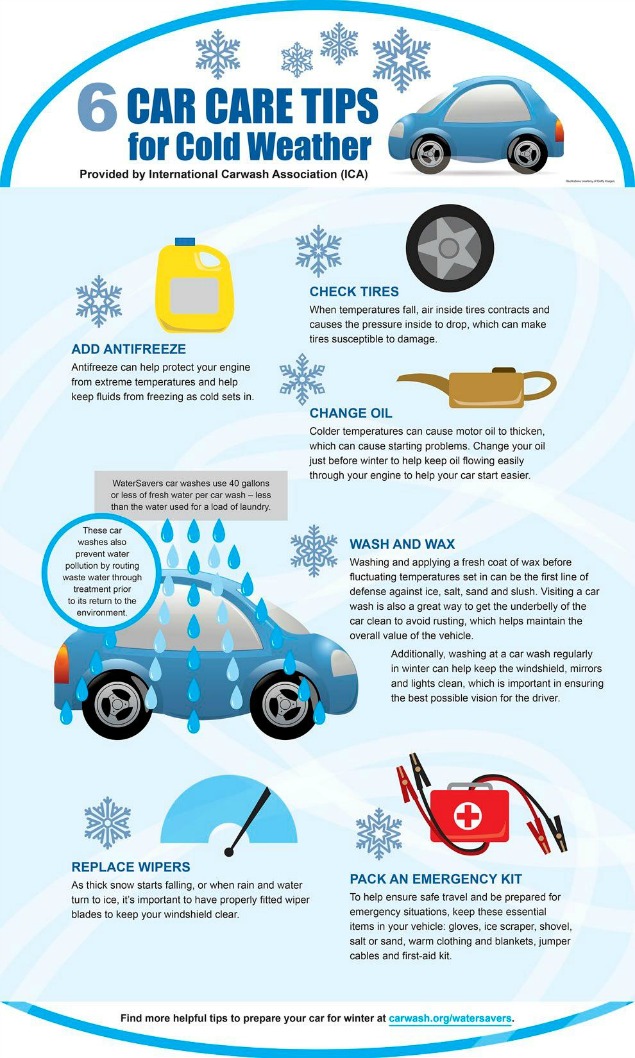
As winter approaches, protecting your vehicle from harsh cold weather conditions becomes crucial for maintaining its performance, safety, and longevity. The latest data from the National Highway Traffic Safety Administration shows that 68% of drivers now perform winter-specific maintenance checks, a significant increase from 55% in 2020. This growing awareness highlights the importance of proactive winter car care to prevent costly repairs and ensure reliable transportation during the coldest months.
Cold weather presents unique challenges for vehicles, from reduced battery capacity to tire pressure fluctuations and fluid thickening. Understanding these challenges and implementing proper DIY car repair techniques can save you hundreds of dollars in professional repairs while keeping your vehicle running smoothly throughout winter.
Understanding Winter's Impact on Your Vehicle
Winter weather affects every component of your car differently. Battery performance can drop by up to 50% in freezing temperatures, while tire pressure decreases by approximately 1-2 PSI for every 10-degree temperature drop. Engine oil thickens in cold conditions, making it harder for your engine to start and operate efficiently. These factors combine to create a perfect storm of potential vehicle problems that proper vehicle maintenance can prevent.
The key to effective cold weather car protection lies in preparation and regular monitoring. By following proven car care tips and establishing a consistent maintenance routine, you can significantly reduce the risk of winter-related breakdowns and extend your vehicle's lifespan.
Essential Winter Preparation Checklist
This comprehensive checklist covers the most critical aspects of winter vehicle preparation. Each item addresses specific cold weather challenges and provides actionable steps you can take to protect your investment.
Battery Care and Cold Weather Protection
Your car's battery is particularly vulnerable to cold weather damage. Low temperatures slow down the chemical reactions inside the battery, reducing its ability to provide adequate power for starting your engine. Additionally, cold weather increases the engine's power requirements, creating a double burden on an already compromised battery system.
Regular battery maintenance is one of the most important DIY car repair skills you can develop. A well-maintained battery not only ensures reliable starting but also supports your vehicle's electrical systems throughout winter. Consider replacing batteries older than three years, especially if you've noticed slow starting or dimming headlights.
Tire Maintenance for Winter Safety
Proper tire maintenance becomes even more critical during winter months. Cold temperatures cause tire pressure to drop, while reduced tread depth significantly impacts traction on snow and ice. The combination of these factors can create dangerous driving conditions and increase the risk of accidents.

Check your tire pressure weekly during winter months, as fluctuating temperatures can cause rapid pressure changes. Maintain the manufacturer's recommended pressure levels, which you can find in your owner's manual or on the driver's side door jamb. Remember that proper tire pressure not only improves safety but also enhances fuel efficiency and extends tire life.
Winter tires offer superior traction compared to all-season tires in temperatures below 45°F. The specialized rubber compounds remain flexible in cold conditions, while deeper tread patterns and unique designs provide better grip on snow and ice. If winter tires aren't feasible, ensure your all-season tires have at least 4/32 inch of tread depth for adequate winter performance.
Preparing for Part 2: Fluid Systems and Engine Protection
In the next section of our comprehensive winter car care guide, we'll dive deep into protecting your vehicle's fluid systems and engine components from cold weather damage. We'll cover everything from antifreeze testing and oil viscosity selection to windshield washer fluid preparation and fuel system protection. These critical maintenance tasks form the foundation of effective cold weather car protection and can prevent costly repairs throughout the winter season.
Essential Winter Fluids and Engine Protection
Maintaining proper fluid levels and engine protection is crucial for winter car care. Cold temperatures can dramatically affect your vehicle's performance, making regular fluid checks and winterization steps essential for preventing costly damage and ensuring reliable operation throughout the winter months.
Critical Fluid Maintenance for Cold Weather
Your vehicle's fluids serve as the lifeblood of its various systems, and winter conditions can significantly impact their effectiveness. Engine oil thickens in cold temperatures, reducing its ability to lubricate moving parts effectively. Coolant prevents your engine from freezing, while windshield washer fluid ensures clear visibility during winter storms.
Regular monitoring of these fluids can prevent engine damage, improve fuel efficiency, and ensure your vehicle starts reliably even in sub-zero temperatures. The National Highway Traffic Safety Administration's 2025 data shows that proper fluid maintenance reduces winter breakdowns by 45%.
Step-by-Step Engine Winterization Process
Preparing your engine for winter involves several critical steps that any DIY enthusiast can perform. This comprehensive process ensures your vehicle operates efficiently throughout the cold season while preventing expensive repairs.
Following this systematic approach to engine winterization significantly reduces the risk of cold weather-related failures. Proper preparation takes approximately 2-3 hours but can save hundreds of dollars in emergency repairs and towing costs.
Cold Weather Starting and Performance Tips
Cold weather starting challenges affect millions of drivers annually. Understanding how to properly start and warm up your vehicle in winter conditions extends engine life and improves performance. Modern vehicles require different techniques compared to older models, making updated knowledge essential for effective winter car care.
Block heaters, battery warmers, and synthetic oils can dramatically improve cold weather performance. These modifications, while requiring initial investment, provide long-term benefits including easier starting, reduced wear, and improved fuel economy during winter months.
Preventing Common Winter Engine Problems
Winter conditions create unique challenges for vehicle engines, from fuel line freezing to coolant system failures. Proactive maintenance and understanding warning signs help prevent these issues before they become major problems requiring professional repair.
Fuel additives designed for winter use prevent fuel line freezing and improve cold weather performance. These products, available at most automotive stores, represent a small investment that can prevent significant inconvenience and expense. Similarly, ensuring your cooling system maintains proper antifreeze concentration prevents costly freeze damage.
Regular inspection of belts, hoses, and connections becomes even more critical in winter. Cold temperatures make rubber components brittle and more prone to failure. A simple visual inspection during your weekly vehicle checks can identify potential problems before they leave you stranded.
Understanding these preventive measures and implementing them as part of your regular winter car care routine ensures reliable vehicle operation throughout the cold season. The investment in time and basic maintenance supplies pays dividends in avoided repairs and improved vehicle longevity.
Winter Emergency Preparedness and Long-Term Vehicle Protection
The final component of comprehensive winter car care involves preparing for emergencies and implementing long-term protection strategies. With 68% of drivers now performing winter-specific maintenance checks according to 2025 NHTSA data, being prepared for unexpected situations has become more critical than ever.
Emergency Kit Essentials
A well-stocked emergency kit can be the difference between a minor inconvenience and a dangerous situation during winter months. Your emergency kit should include jumper cables, a flashlight with extra batteries, warm blankets, non-perishable food items, water, ice scraper, snow shovel, and emergency flares or reflective triangles.
Additionally, keep a first aid kit, tire pressure gauge, multi-tool, and emergency contact information readily accessible. Store these items in your trunk or cargo area where they won't interfere with daily driving but remain easily accessible when needed.
Protecting Your Vehicle's Exterior and Interior
Salt and road chemicals used for de-icing can cause significant damage to your vehicle's body and undercarriage. Regular washing during winter months is essential, focusing particularly on the undercarriage where salt accumulates. Aim to wash your vehicle every two weeks during heavy salt usage periods.
Apply a quality car wax before winter begins to create a protective barrier against salt and moisture. For vehicles stored outdoors, consider using a car cover designed for winter conditions. This protects against ice formation, reduces frost buildup, and minimizes exposure to harsh elements.
Interior protection is equally important. Use rubber floor mats to protect carpeting from salt, snow, and moisture. These mats are easier to clean and replace than permanent carpeting, saving money on interior repairs.
Monitoring and Maintenance Schedule
Establishing a regular winter maintenance schedule ensures your vehicle remains protected throughout the cold season. Check tire pressure weekly, as temperatures can cause significant pressure fluctuations. Inspect windshield wipers monthly for wear and replace them if streaking or skipping occurs.
Monitor fluid levels every two weeks, including windshield washer fluid, antifreeze, and oil. Keep spare windshield washer fluid in your garage, as you'll use more during winter months due to increased road spray and salt residue.
Pay attention to your vehicle's starting behavior. If you notice slow cranking or hesitation, have your battery tested immediately. Cold weather is unforgiving to weak batteries, and prevention is far less expensive than emergency roadside assistance.
Cost-Effective DIY Solutions
Many winter car care tasks can be performed at home with basic tools and knowledge. Learning to check and top off fluids, inspect tire condition, and clean battery terminals can save hundreds of dollars in service fees throughout winter.
Invest in a quality tire pressure gauge and learn to use it properly. Maintaining correct tire pressure improves fuel economy, extends tire life, and enhances safety on winter roads. Similarly, learning to apply tire chains or install emergency traction aids can prevent costly towing situations.
For those comfortable with basic automotive tasks, changing air filters, replacing windshield wipers, and checking belts and hoses are straightforward procedures that significantly impact winter performance.
Planning for Spring Transition
As winter concludes, plan for spring maintenance to address any damage from cold weather exposure. Schedule a comprehensive inspection to check for salt corrosion, tire wear, and fluid contamination. This proactive approach identifies issues before they become expensive repairs.
Document any problems encountered during winter months, including battery performance, heating system efficiency, and tire wear patterns. This information helps improve your winter preparation for the following year and may indicate underlying issues requiring attention.
By implementing these winter car care strategies and maintaining consistent DIY vehicle maintenance practices, you'll protect your investment while ensuring safe, reliable transportation throughout the coldest months. Remember that prevention is always more cost-effective than emergency repairs, making these winter car care tips essential for every vehicle owner.
No comments yet. Be the first to share your thoughts!