
Winter Car Damage Prevention: 7 Essential Auto Body Protection Tips for 2024 - Part 1
Winter weather poses significant threats to your vehicle's exterior and mechanical components. From corrosive road salt to freezing temperatures that can crack seals and damage paint, the colder months demand proactive vehicle maintenance strategies. At AutoBodyRX, we understand that preventing winter car damage is far more cost-effective than repairing it after the fact.
The statistics are sobering: vehicles in harsh winter climates experience accelerated wear rates up to three times faster than those in moderate climates. Road salt alone causes billions of dollars in vehicle damage annually across North America. However, with proper auto body protection measures, you can significantly extend your vehicle's lifespan and maintain its value throughout the winter season.
Understanding Winter's Impact on Your Vehicle
Winter conditions create a perfect storm of damaging factors for your car's exterior and undercarriage. Road salt, while essential for safe driving conditions, is highly corrosive to metal components. When combined with moisture from snow and ice, salt accelerates the oxidation process that leads to rust formation. Additionally, temperature fluctuations cause materials to expand and contract, potentially creating stress fractures in paint, rubber seals, and plastic components.
The undercarriage bears the brunt of winter abuse, constantly exposed to salt spray, slush, and debris. Without proper protection, critical components like brake lines, exhaust systems, and suspension parts can deteriorate rapidly, leading to expensive repairs and potential safety hazards.

Essential Winter Car Care Preparation Checklist
Before diving into our comprehensive protection strategies, use this checklist to assess your vehicle's current winter readiness:
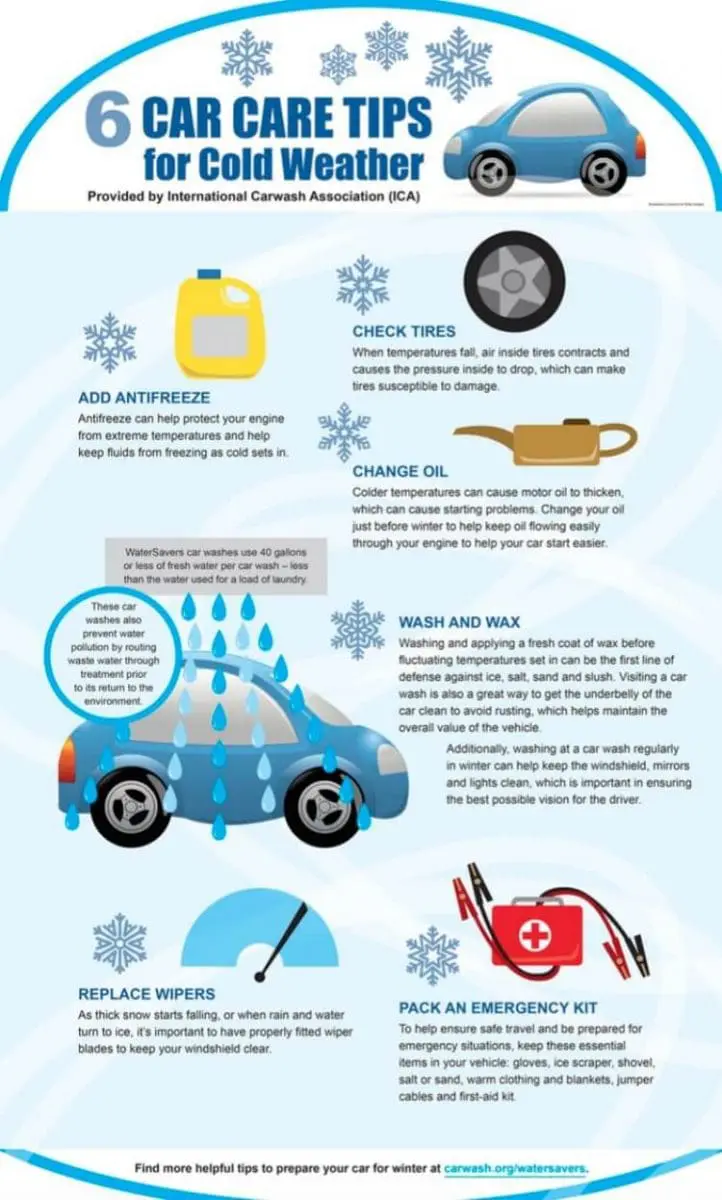
Tip 1: Establish a Regular Washing and Waxing Routine
The foundation of effective winter car damage prevention begins with maintaining a clean vehicle exterior. Road salt and winter grime don't just affect your car's appearance—they actively contribute to corrosion and paint degradation when left unchecked.
The Science Behind Winter Washing
Salt works by lowering the freezing point of water, but this same property makes it highly hygroscopic, meaning it attracts and retains moisture. When salt residue accumulates on your vehicle's surface, it creates a constantly moist environment that accelerates rust formation. Regular washing removes these corrosive deposits before they can cause permanent damage.
Optimal Washing Frequency
During active winter weather, aim to wash your vehicle every 7-10 days. If you frequently drive on heavily salted roads, consider increasing this frequency to every 5-7 days. Pay particular attention to wheel wells, door frames, and the lower portions of body panels where salt accumulation is heaviest.
The Protective Power of Quality Wax
Waxing creates a sacrificial barrier between your vehicle's paint and the harsh winter environment. A quality carnauba or synthetic wax forms a hydrophobic layer that repels water and prevents contaminants from bonding directly to the paint surface.
Apply wax every 6-8 weeks during winter months, or immediately after any paint correction work. For optimal protection, choose a wax specifically formulated for cold weather conditions, as these products maintain their protective properties at lower temperatures.
Tip 2: Prioritize Underbody Protection
Your vehicle's undercarriage represents the most vulnerable area during winter driving. Unlike visible exterior surfaces that receive regular attention, the underbody often goes unnoticed until significant damage has occurred.
Understanding Underbody Vulnerabilities
The undercarriage houses critical systems including brake lines, fuel lines, exhaust components, and suspension parts. These components operate in an environment of constant exposure to road salt, moisture, and debris. Without adequate protection, even newer vehicles can develop serious corrosion issues within just a few winter seasons.
Factory undercoating provides basic protection, but it's often insufficient for severe winter conditions. Over time, this coating can chip or wear away, creating entry points for moisture and salt. Regular inspection and maintenance of underbody protection is essential for long-term vehicle integrity.
In Part 2 of this series, we'll explore the remaining five essential tips, including advanced underbody treatment options, tire maintenance strategies, seal inspection protocols, and fluid management techniques that will complete your comprehensive winter car damage prevention strategy.
Advanced Winter Auto Body Protection Strategies
Building on the foundational winter car damage prevention tips, these advanced strategies will help ensure your vehicle's auto body protection remains comprehensive throughout the harsh winter months. Professional vehicle maintenance requires attention to detail and proactive measures that go beyond basic care.
6. Paint Protection Film and Ceramic Coatings
Paint protection film (PPF) serves as an invisible shield against winter hazards including road debris, salt spray, and ice scraping damage. This transparent urethane film bonds to your vehicle's painted surfaces, creating a barrier that absorbs impacts and prevents scratches. For optimal auto body protection, focus PPF application on high-impact areas such as the front bumper, hood, side mirrors, and door edges.
Ceramic coatings complement PPF by providing hydrophobic properties that cause water and contaminants to bead and roll off the surface. This reduces the time salt and road chemicals remain in contact with your paint, significantly decreasing the risk of winter car damage. Professional application typically lasts 2-3 years and maintains gloss while simplifying cleaning routines.
7. Emergency Winter Kit and Damage Assessment
A comprehensive emergency kit serves dual purposes: safety and auto body protection. Include items specifically designed to prevent damage during winter emergencies. Quality ice scrapers with soft-edge blades prevent paint scratches, while emergency traction aids protect wheel wells from excessive spinning damage.
Your winter emergency kit should contain microfiber towels for safe snow removal, a portable air compressor for maintaining proper tire pressure in fluctuating temperatures, and touch-up paint for immediate attention to minor chips that could lead to rust formation.
Professional Inspection and Maintenance Schedule
Establishing a winter vehicle maintenance routine with AutoBodyRX ensures early detection of potential issues before they become costly repairs. Schedule pre-winter inspections focusing on vulnerable areas including wheel wells, door frames, and trunk seals. Professional technicians can identify weak points in your vehicle's protective systems and recommend targeted solutions.
Mid-winter check-ups should assess the effectiveness of your protective measures. Look for signs of salt accumulation, paint degradation, or seal deterioration. Address any concerns immediately to prevent progressive winter car damage that compounds over time.
Post-Winter Recovery and Preparation
Spring preparation involves thorough assessment and restoration of your vehicle's auto body protection systems. Schedule comprehensive detailing that includes paint decontamination, seal conditioning, and protective coating renewal. This process removes embedded contaminants that standard washing cannot eliminate.
Document any winter car damage for insurance purposes and plan repairs before the next winter season. Small chips, scratches, or seal damage addressed promptly prevent more extensive problems during subsequent cold weather exposure.
Cost-Effective Protection Solutions
Budget-conscious car care tips include DIY applications of quality protective products. Regular maintenance using professional-grade supplies often costs less than major repairs resulting from neglect. Invest in quality washing supplies, protective sprays, and seasonal fluids that provide superior protection compared to generic alternatives.
Consider the long-term value of professional services versus DIY approaches. While some tasks require professional expertise, many protective measures can be effectively implemented by vehicle owners following proper procedures and using quality products.
Conclusion
Implementing these seven essential auto body protection strategies significantly reduces winter car damage risks while maintaining your vehicle's appearance and value. Consistent application of these vehicle maintenance principles, combined with professional support from AutoBodyRX, ensures your car emerges from winter in excellent condition. Remember that prevention costs substantially less than repair, making these protective measures a wise investment in your vehicle's longevity and performance.
No comments yet. Be the first to share your thoughts!