
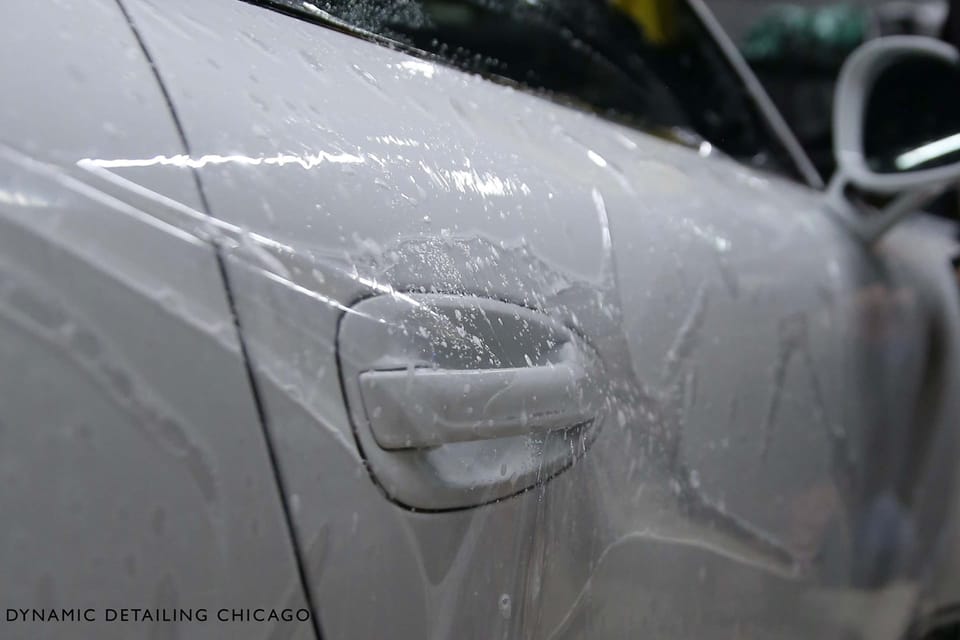

Unmasking the Art of Automotive Paint Restoration 🎨
Imagine you're about to embark on a scenic road trip. You slide into your car, start the engine, and take a moment to admire your vehicle's gleaming exterior. But then, your eyes catch a sight that makes your heart sink - a scratch on your car's paintwork. Scratches and chips, as minor as they may seem, can significantly diminish your car's appearance and resale value.
But worry not! With the right car paintwork repair guide and a few automotive paint restoration secrets up your sleeve, you can restore your car to its former glory. This article will equip you with car bodywork repair techniques, tips on protecting car paint, and even DIY auto paint protection strategies. So, buckle up and get ready to dive into the world of vehicle paint job secrets!
Remember, maintaining your car's exterior isn't just about aesthetics. It's about preserving your vehicle's integrity and longevity. So, are you ready to learn how to repair a scratch on car paintwork and more? Let's get started!
Peeling Back the Layers: The Science Behind a Stellar Vehicle Paint Job 🚗
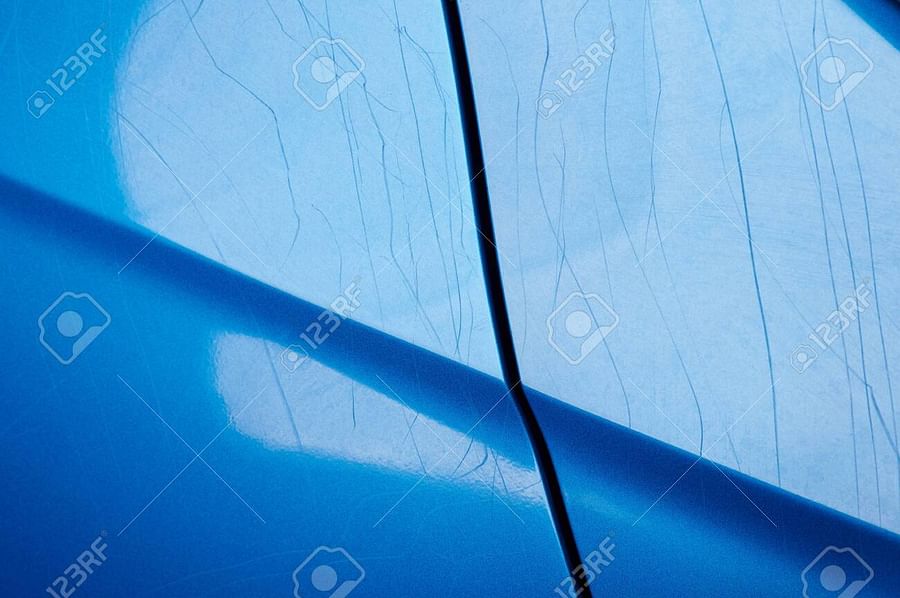
Every masterpiece has layers, and your car's paint job is no exception. It begins with a primer layer, which serves as the canvas for the artistry to come. This base layer ensures a smooth surface for the subsequent layers and aids in rust prevention. Next comes the basecoat or color layer. This is where your car gets its visual personality, whether it's a classic black, a fiery red, or a cool blue. But it's not just about aesthetics. This layer also provides additional protection against the elements.
The final layer is the clear coat. Think of it as the protective shield for your car's exterior, guarding against harmful UV rays, scratches, and weather damage. It also gives your car that glossy finish that turns heads on the highway. But what happens when this protective layer is compromised? Scratches and chips can mar your car's beauty and expose the underlying layers to potential damage. But don't worry, we've got some car paint repair tips that can help you restore your car's exterior to its former glory.
Stay tuned as we delve deeper into the world of DIY auto paint protection and uncover the secrets of automotive paint restoration. Because understanding your car's paint job is the first step to protecting it.
Layers of Auto Paint from Primer to Clear Coat
Cracking the Code: Spotting Sneaky Car Paintwork Issues 🔍
Ever wondered why your car's once glossy exterior now looks lackluster? You're likely dealing with common paint issues that plague many a vehicle owner. Scratches, chips, oxidation, and clear coat peeling are the usual suspects that mar your car's beauty. A simple scratch or chip might not seem like a big deal, but they can invite rust, compromising your car's bodywork.
Now, oxidation is a different beast. It's the result of your car's paint reacting with oxygen, leading to a dull and faded appearance. Unlike a quick fix for scratches and dents, oxidation might require a more professional touch. And then there's clear coat peeling, the protective layer of your car's paint job. When this starts to peel, it's like your car losing its armor, making it more vulnerable to elements.
But don't fret! With the right car maintenance tips, you can restore your car's exterior to its former glory. Stay tuned as we dig deeper into DIY auto paint protection and car bodywork repair techniques.
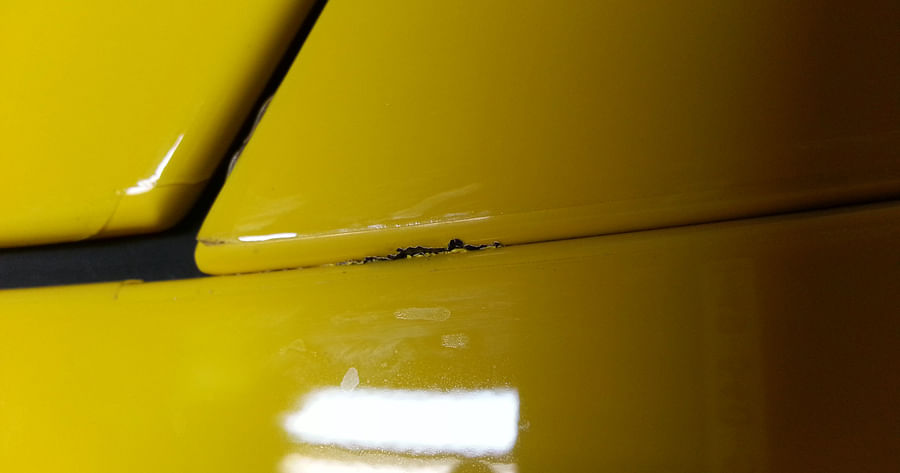
Common Symptoms Indicating a Problematic Car Paint
- Fading: Over time, your car's paint may start to look dull and lose its original color. This is often a result of prolonged exposure to the sun's UV rays.
- Scratches: These are visible lines or marks on the surface of your car's paint. They can be minor (only affecting the clear coat) or deep (reaching the metal).
- Chips: Small, usually round, sections of paint that have been chipped off. These are often caused by stones or debris hitting the car while driving.
- Oxidation: If your car's paint appears cloudy or has a chalky texture, it may be suffering from oxidation. This happens when the paint's protective clear coat wears away, exposing the color coat to the air.
- Clear Coat Peeling: The clear coat is the top layer of your car's paint, providing protection and gloss. When it starts to peel, it can make the paint look patchy and dull.
- Rust Spots: These are small, brown, rough spots on your car's paint. They occur when the metal underneath the paint starts to rust, usually as a result of a deep scratch or chip.
- Swirl Marks: Circular scratches that are often caused by improper washing or drying techniques. They are most visible on dark-colored cars.
Be Your Own Hero: DIY Car Paint Repair Tips and Tricks 🛠️
Don't panic if you've noticed a scratch or chip in your car's paint. You can fix these minor issues yourself with a few simple tools and steps. Here's a step-by-step guide to help you through the process:
DIY Magic: Repairing Minor Paint Scratches and Chips
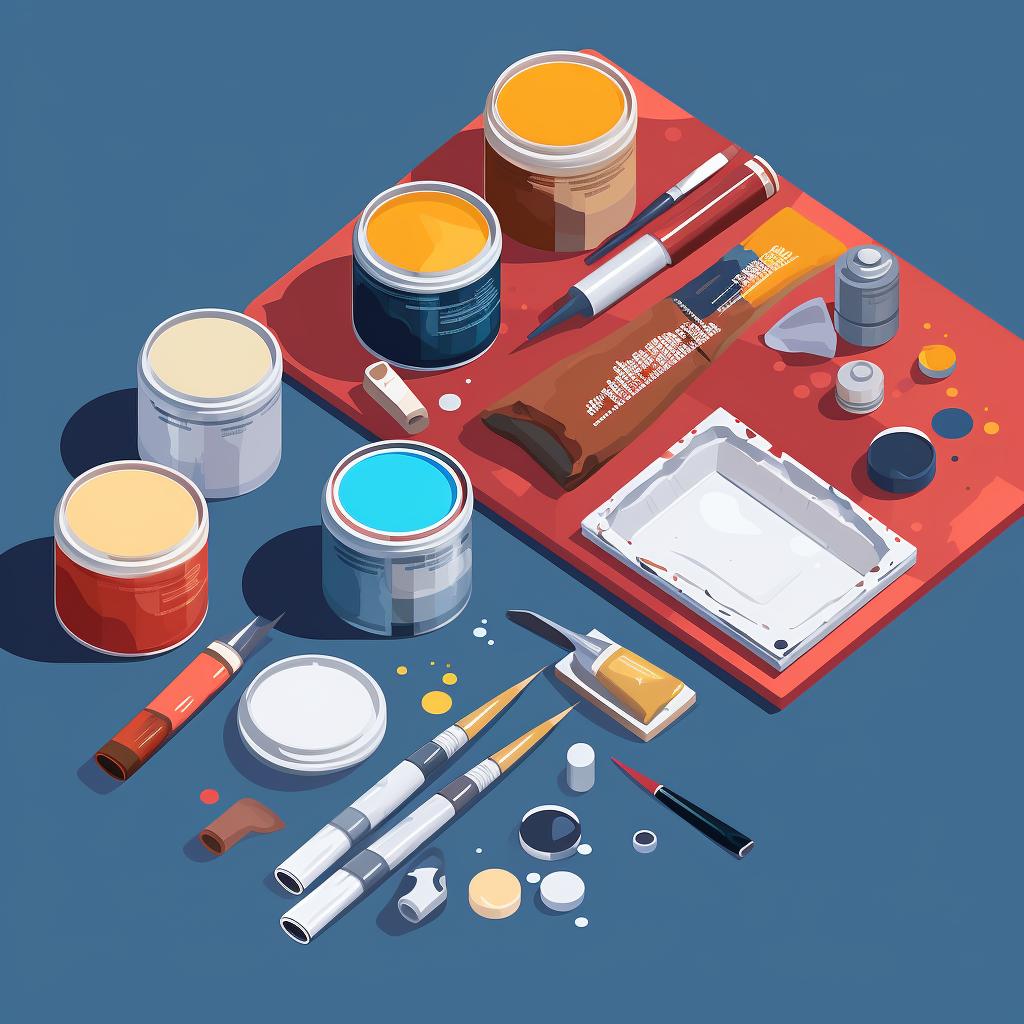

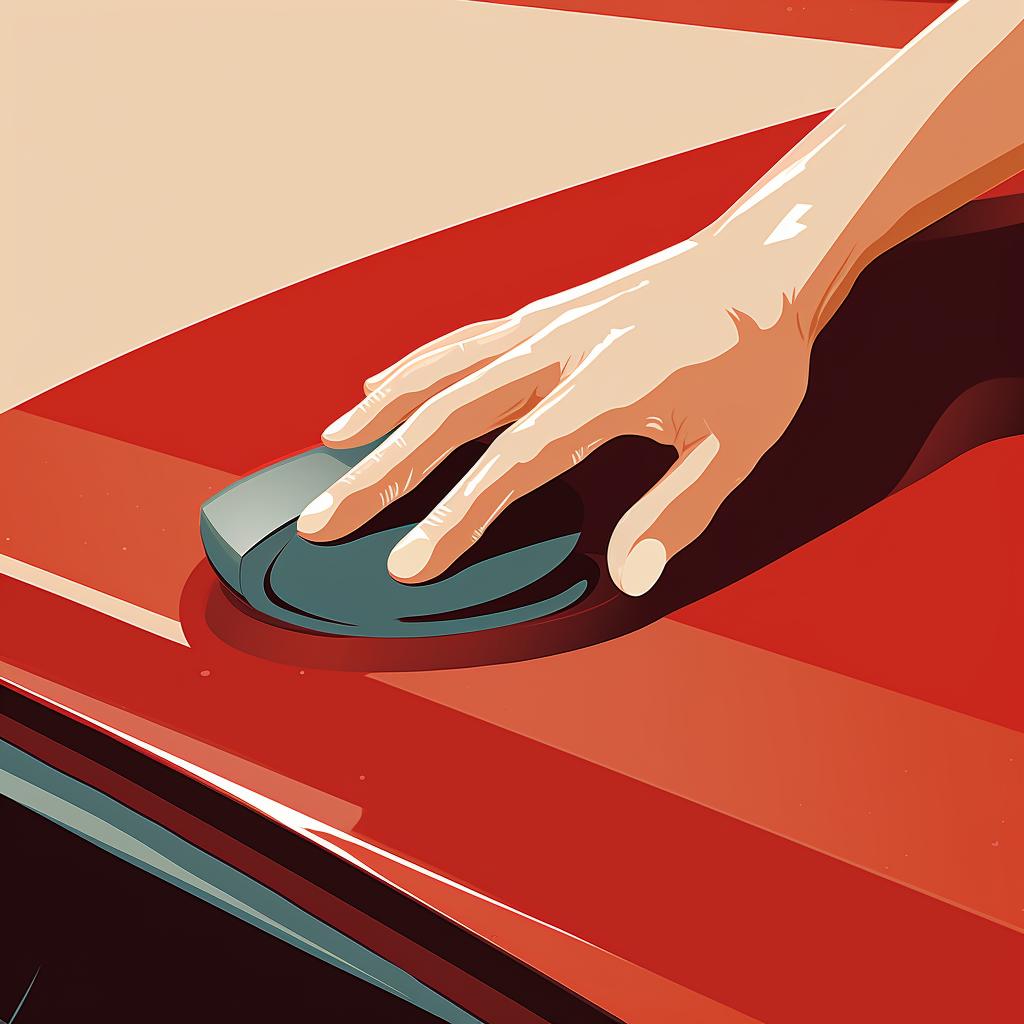
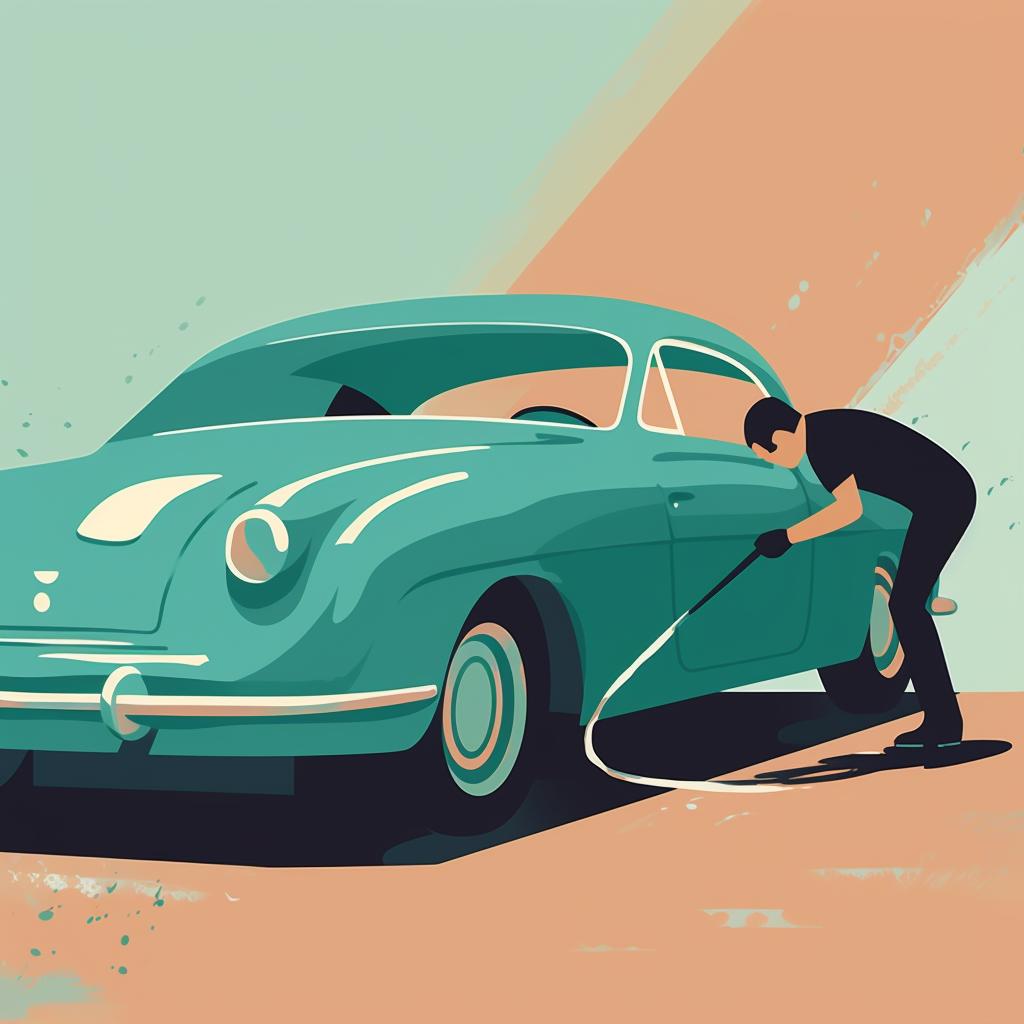


Learn more about 🔧 DIY Magic: Repairing Minor Paint Scratches and Chips or discover other AutoBodyRX guides.
Congratulations! You've just repaired a minor scratch or chip in your car's paint. For a visual demonstration of these steps, check out the following video tutorial:
After understanding the simple DIY steps to fix minor paint scratches and chips on your car, a visual guide can be extremely helpful. The following video tutorial shows you how to apply touch-up paint like a professional.
Now that you've watched the video tutorial, you might have some questions about DIY car paint repair. Let's move on to some frequently asked questions to further clarify the process.
Now that you've learned how to apply touch-up paint, you might have some questions. Here are the answers to some of the most frequently asked questions about DIY car paint repair.
While DIY repair can fix minor issues, remember that professional help might be necessary for more serious paint problems. Let's discuss when to seek professional help.
When Do You Wave the White Flag? Knowing When to Call in Car Bodywork Repair Pros 🏳️
There are times when DIY just won't cut it. When your car's exterior starts resembling a painter's palette, with a mix of original paint, touch-up paint, and exposed primer, it's time to admit defeat. Deep scratches, oxidized paint, or peeling clear coat are signs that your vehicle needs professional car bodywork repair techniques.
Even if you've mastered the art of how to fix light scratches on car paint, a professional can restore your car's paint to its original luster, ensuring a seamless finish. Automotive paint restoration isn't just about aesthetics; it's about protecting your car's body from rust and other damage.
So, when your DIY efforts look more like a patchwork quilt than a smooth, shiny surface, it's time to call in the pros. After all, wouldn't you rather be driving a masterpiece than a work-in-progress?

Guard Your Ride: Mastering the Art of Protecting Car Paint 🛡️
It's a wrap, folks! You've just journeyed through the labyrinth of automotive paint restoration and emerged victorious. You've learned the car bodywork repair techniques that can transform a scratched, dull exterior into a sleek, mirror-like finish.
But remember, every hero's journey is ongoing. The road to maintaining your car’s exterior doesn’t end here. Keep your vehicle's armor gleaming with regular car care tips and the use of a reliable car paint protective film.
And if you're ever faced with a scratch that seems too deep, or a chip too large, fear not! Your trusted steed doesn’t have to bear these battle scars forever. Seek the help of professionals or delve into our FAQ on repairing scratches and dents for advice. After all, in the grand quest of car exterior maintenance, you're not alone.
So, what's your next adventure? Maybe it's tackling the dragon of car upholstery repair? Whatever it is, remember: Your car is more than a car. It's your trusty, four-wheeled comrade, deserving of the finest care.
Top-Rated Comrades for Your Car's Exterior Protection
Mastering the Art of Car Paint Job and Maintenance
Test your understanding about car paint job and its maintenance with this interactive quiz.
Learn more about 🚗 Mastering the Art of Car Paint Job and Maintenance Quiz 🎨 or discover other AutoBodyRX quizzes.
No comments yet. Be the first to share your thoughts!