

Kickstart Your Journey to a Rust-Free Ride 🚗
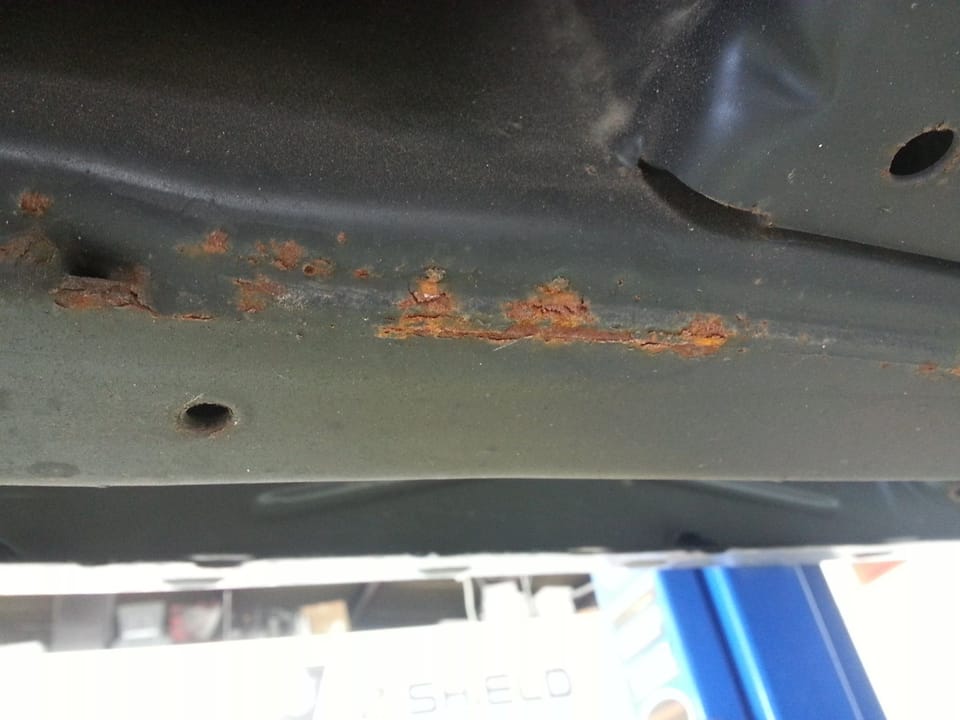
Ever watched a horror movie where the protagonist's car breaks down at the worst possible moment? Now imagine the horror being your beloved ride slowly eaten away by a silent, relentless monster - rust. Yes, car rusting is that insidious villain in your vehicle's life story, and it's high time we put a stop to it. But first, let's understand this beast.
Car rusting is like a cavity in your vehicle's tooth. It starts small, often unnoticed, and if left untreated, it grows, causing significant damage. It's a corrosive process where metal reacts with moisture and oxygen, leading to the formation of iron oxide. This enemy doesn't just mar your car's appearance; it gnaws at its strength and longevity. Fixing car dents and scratches promptly can prevent rust from taking hold. But why does it matter so much?
Well, just as a small spark can start a massive fire, a tiny rust spot can escalate into a significant problem, affecting your car's structural integrity and safety. Moreover, it can also lead to costly repairs down the line. So, wouldn't you rather nip it in the bud? With this comprehensive DIY car rust removal and vehicle maintenance tips guide, we'll arm you with the knowledge to wage a successful war against car rust. So, are you ready to embark on the road to recovery?
Spot the Rot: Identifying Rust on Your Vehicle
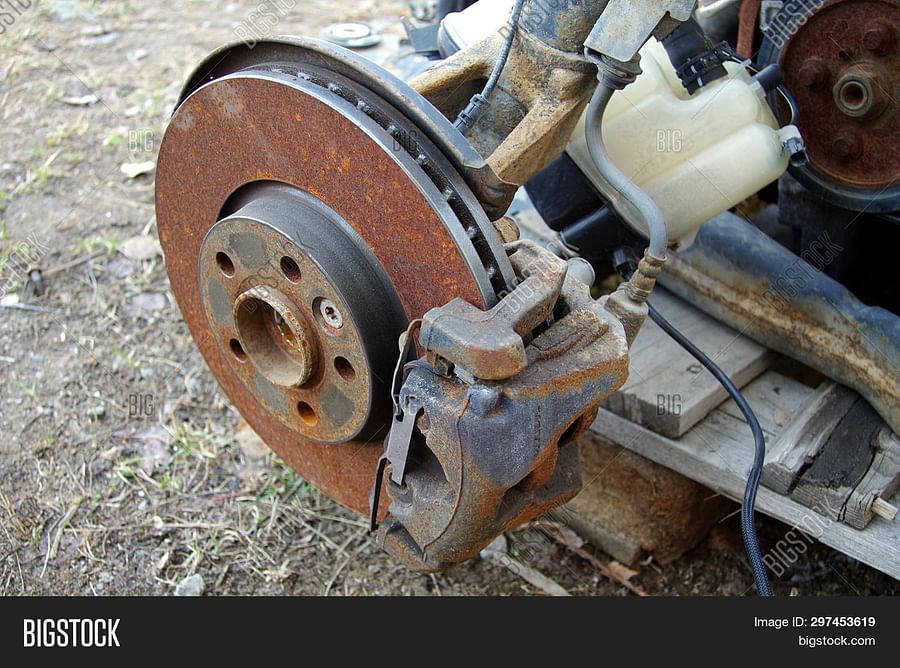
Think of rust as the common cold of your car's body. It starts small, but if left unchecked, it can spread and wreak havoc on your vehicle's health. Now, how do you spot this sneaky culprit? Well, it's quite simple. Rust usually starts its journey in hidden areas - under the car, inside wheel wells, or behind bumpers. It's an uninvited guest that loves to hide!
So, how can you catch it in the act? Well, the first stage of rust is a discolored, bubbly paint surface, often brown or black. If you see this, congratulations! You've caught the rust early. But if you see flaky, crumbling metal, then the rust has entered its destructive, late stage, and immediate action is required.
Remember, catching rust early is key to a successful DIY car rust removal. So, don your detective hat and inspect your car regularly. After all, wouldn't you rather be cruising down the highway than stuck in a collision body shop?
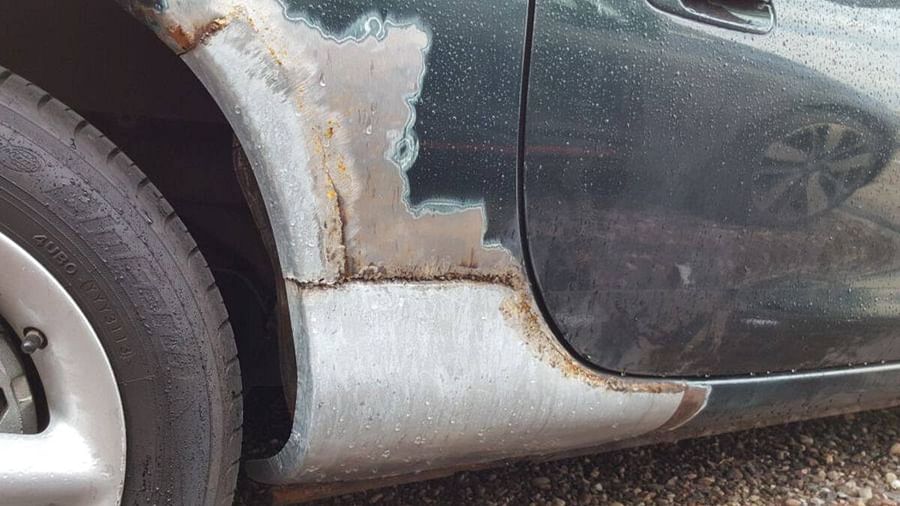
Recognizing Car Rust Quiz
Test your knowledge on recognizing car rust. Choose the best answer from the options provided.
Learn more about 🚗 Recognizing Car Rust Quiz 🚗 or discover other AutoBodyRX quizzes.
DIY Car Rust Removal: Your Ultimate Car Repair Guide
Now that we've identified the rust, let's roll up our sleeves and get to work. Here's a detailed guide on how to remove car rust yourself.
DIY Rust Removal: Your Step-by-Step Guide
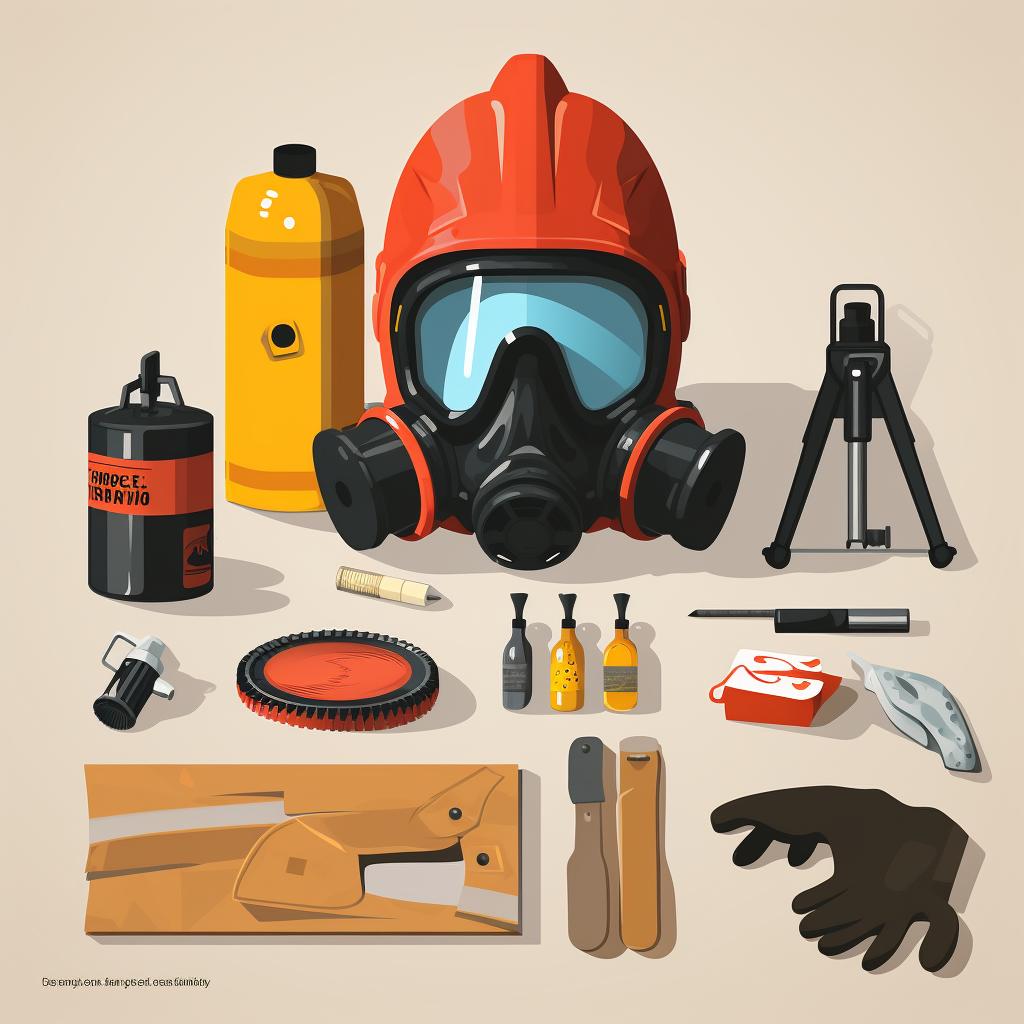

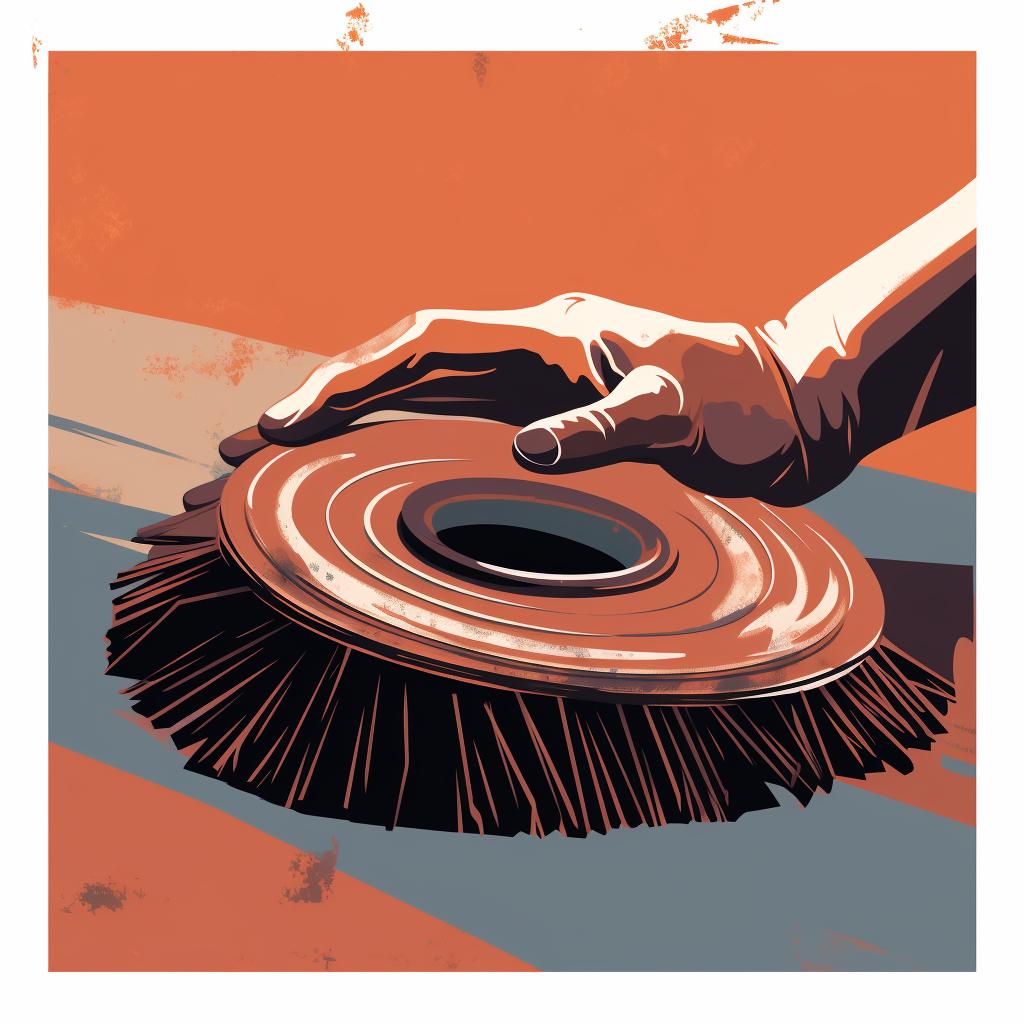
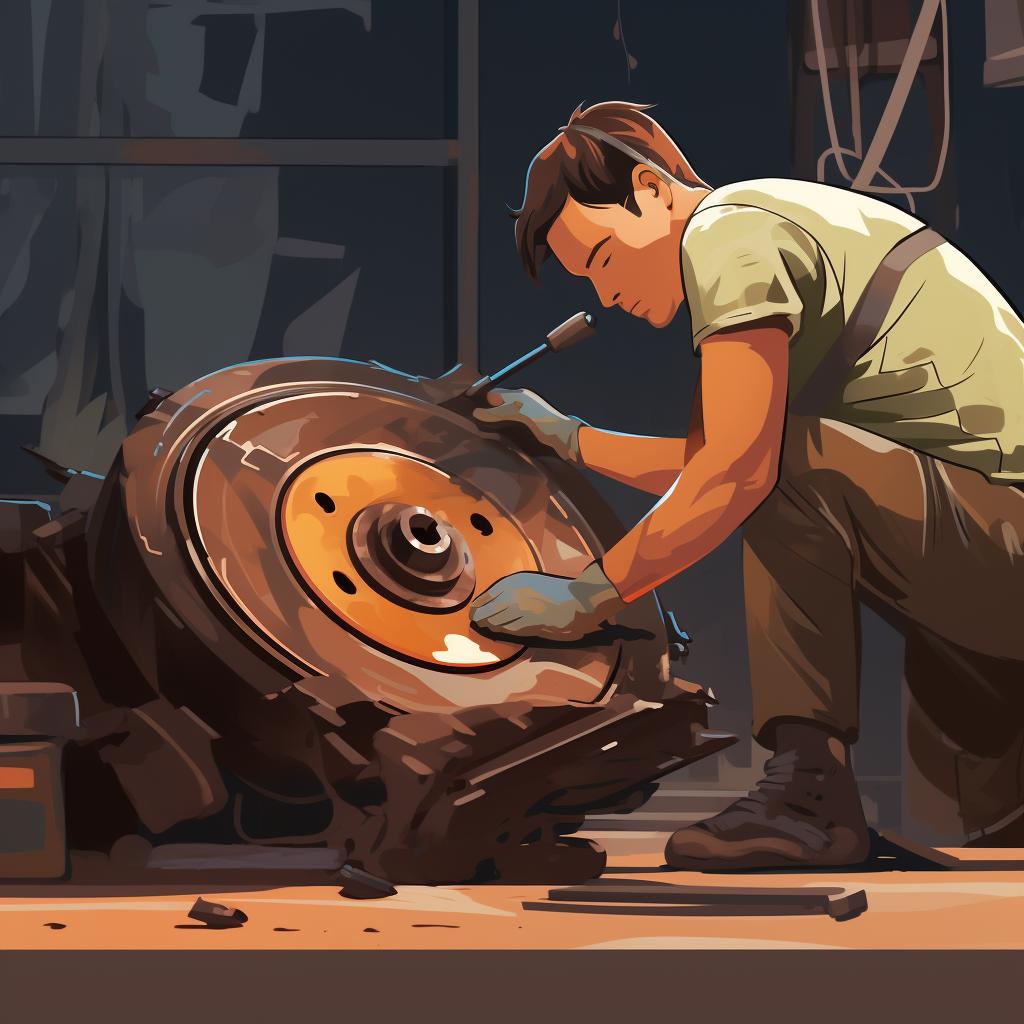
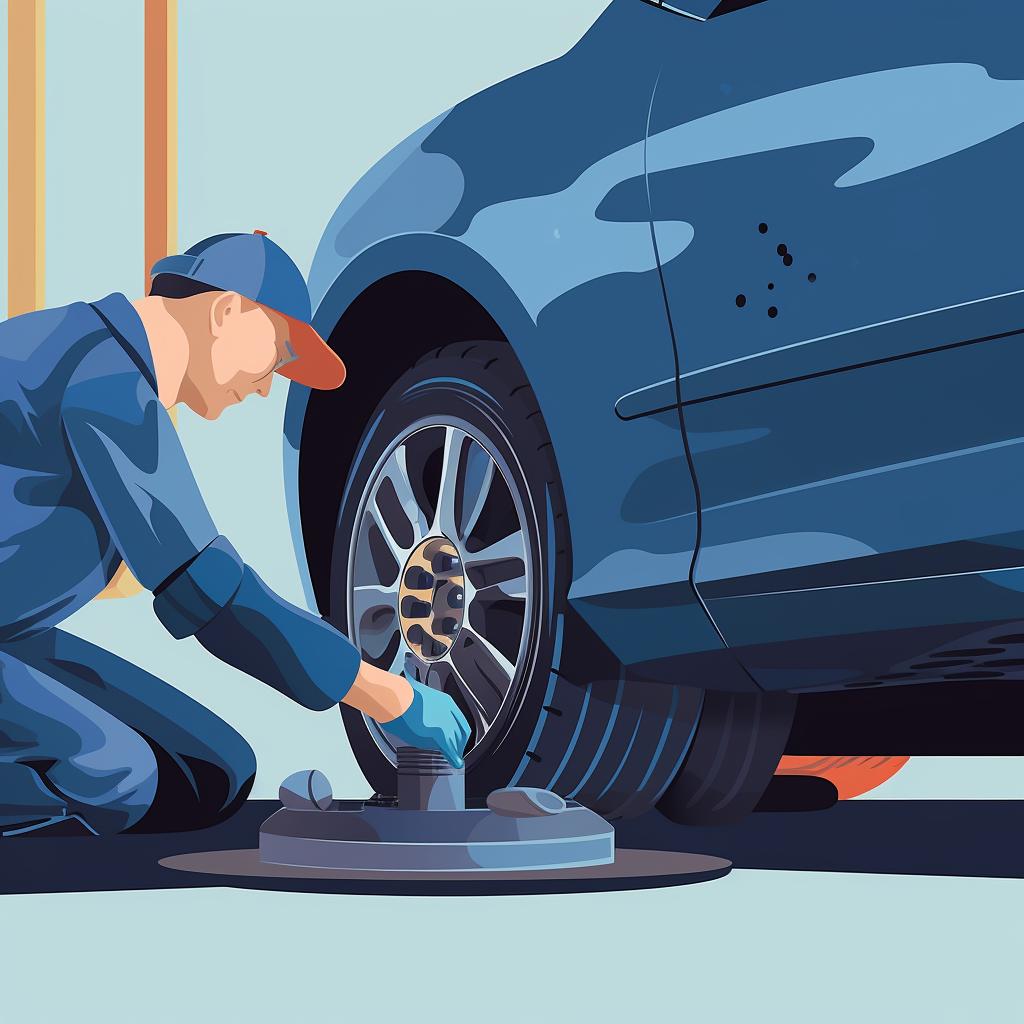
Learn more about DIY Rust Removal: Your Step-by-Step Guide or discover other AutoBodyRX guides.
And there you have it - rust be gone! Check out the following video tutorial for a visual demonstration of these steps.
Now that you've understood the steps involved in rust removal, let's take a look at a practical demonstration. The following video tutorial will guide you through the process of repairing rust on your car without the need for welding or special tools.
That was an insightful tutorial on how to handle car rust. But remember, there are situations when you might need to consider professional help. Let's discuss when it's more feasible to consider professional rust repair in the next section.
When to Call the Pros: Evaluating Your Car Rust Repair Options
Ever gazed at a rust-riddled fender and thought, "Can I conquer this beast myself?" Well, you're not alone. DIY car rust removal can be an enticing route for the hands-on car enthusiast. It's an opportunity to roll up your sleeves, dive under the hood, and save a few bucks. But, as with all things, it has its pros and cons.
On the bright side, DIY rust repair gives you control over the process, and it can be cost-effective if you're dealing with minor rust spots. However, it can be time-consuming and require a certain level of skill. Not to mention, if not done correctly, you could end up causing more harm than good. Remember those fixing car dents mishaps?
On the other hand, professional rust repair ensures a thorough job backed by expertise. Professionals have access to cutting-edge tools and techniques, which can make a world of difference in severe rust cases. But, this option can be more expensive and might feel less personal if you're a DIY aficionado. It's a bit like choosing between a home-cooked meal and a fancy restaurant. Both have their merits, but the choice ultimately depends on your needs, budget, and comfort level. Need more vehicle maintenance tips? Check out our car care guide.
DIY vs Professional Rust Repair: A Comparison
Now that we've discussed the pros and cons of professional rust repair, let's compare it with the DIY approach. This table will help you weigh the cost, time, and effectiveness of each method.
| DIY Rust Repair | Professional Rust Repair | |
|---|---|---|
| Cost | 💲 Low to moderate: Cost of tools and materials only. | 💲💲 High: Includes labor and materials. |
| Time | ⏰ High: Depends on your skill level and the extent of the rust. | ⏰ Moderate: Professionals can complete the job quicker due to experience and specialized tools. |
| Effectiveness | 🔧 Moderate to high: Depends on your skill level and diligence. | 🔧🔧🔧 High: Professionals are trained to handle all stages of rust and can guarantee a thorough job. |
Understanding the differences between DIY and professional rust repair can help you make an informed decision. Once you've chosen a method, the next step is to learn how to prevent future rust damage.
Keep the Rust at Bay: Vehicle Maintenance Tips for a Rust-Free Future
Imagine this: You've just spent a sunny afternoon giving your car a thorough wash, and as you admire your handiwork, you notice a tiny speck of rust. It's easy to overlook, but remember, rust is like a snowball rolling down a hill - small at first, but it can quickly grow out of control. So, what's the game plan to prevent car rust from becoming an unwelcome guest?
Firstly, regular vehicle maintenance is your best defense against rust. Think of it as a regular check-up for your car. Just as you wouldn't ignore a persistent cough, don't ignore those small rust spots. Our car repair guide can help you nip this issue in the bud. Secondly, consider investing in protective coatings. It's like applying sunscreen to your skin, but for your car. This invisible shield can help keep rust at bay by blocking moisture - rust's best friend.
Remember, prevention is better than cure. With these tips, your car will be more than equipped to brave the elements. After all, wouldn't you prefer to spend your weekends cruising down the highway, rather than tackling DIY car rust removal?

Preventing Future Car Rust Damage
Test your knowledge on how to prevent car rust in the future.
Learn more about 🚗 Preventing Car Rust Damage: Take the Quiz 🧐 or discover other AutoBodyRX quizzes.
Your Roadmap to a Rust-Free Car: What's Next?
And so, dear reader, we’ve navigated the twisty, turny road of car rust together. From the grim discovery of the first rusty speck to the victorious moment of DIY car rust removal and, finally, the preventative strides you take against future invasions, you're now equipped with the know-how to keep your beloved ride corrosion-free. But remember, rust is a crafty opponent, creeping in unnoticed, so vigilance is key.
Maybe right now, your fingertips are itching to try out the DIY car rust removal steps or you’re mentally scheduling that long-overdue check-up with your trusted mechanic. Maybe you're pondering over the other common car problems that might be lurking in the shadows. Good! That's exactly the spirit we're aiming for.
So, off you go! Implement those vehicle maintenance tips, stay rust-aware and remember - your car is worth the effort. After all, isn't the open road so much sweeter when you're cruising in a rust-free ride?
What's your experience with car rust?
We'd love to hear about your battle with car rust! What methods have you tried and found most effective?
No comments yet. Be the first to share your thoughts!